Warehouse Construction Berkshire

Rather than just constructing industrial units, we help businesses develop warehouses that meet their specific business needs. We construct warehouse projects across Berkshire, including logistics centres, trade parks, distribution hubs, manufacturing facilities and commercial storage buildings, along the M4 Corridor. We can assist with your new warehouse development, the expansion of your current warehouse, or the renovation/extension of an older industrial unit.

Warehouse Construction Berkshire

Warehouse Development Across Berkshire

Berkshire's industrial map is influenced heavily by the M4. Reading sits at the centre of it. This is where you can find Green Park and Thames Valley Park, which provide a wide variety of office, tech, and logistics spaces that have developed rapidly over the past 20 years. Further east in Slough, there are large trading estates, and the area is considered one of the most industrious business locations in the UK. In between these cities are smaller towns such as Bracknell, Maidenhead, Wokingham and Newbury, each with its own demand for industrial and warehousing space, although they tend to be sector-based rather than general storage.

Smaller towns also play an important role. Theale and Thatcham sit close to the M4 and A4 and have now become very desirable for distribution centres requiring easy access to the motorways, but are less expensive than locating in Reading or Slough. Winnersh lies roughly equidistant from both Reading and Wokingham. There is a well-established trading estate in Winnersh that continues to attract light industrial and logistics tenants.

It is the combination of the road network connecting everything together. The M4 provides a connection from north to south across the county. It gives us good connectivity to London in one direction, and to the M5 and the South West in another. The A33 provides a major route into and out of Reading’s Industrial Area. This is one of the main HGV routes for Reading. The A329(M) takes you from Reading to Bracknell, providing a direct motorway connection without going through Central Reading.

All this combined makes Berkshire so attractive for industrial investments. With great road access, a large number of occupants already occupying Logistics/tech-type facilities, nearness to London and Heathrow airport, and a local population accustomed to working in industrial/distribution settings. When companies look to construct or expand here, they will generally see the value in building a new facility. They will normally know that, no matter how high-quality the construction, they would not expect the unit to remain vacant for a long time.

industrial-warehouse-construction1.png

Warehouse Construction Services

New Build Warehouses in Berkshire

Beginning with an appraisal of the potential site for a new-build warehouse prior to construction, we evaluate factors including soil conditions, site accessibility, service availability (electricity/water/sewerage), and other constraints that may affect the original design or the subsequent build program. Following this process, we enter a feasibility planning phase to determine whether the proposed development will meet local authorities' approval requirements, thereby avoiding unexpected delays during the project.

Following approval from local authorities, we proceed to a phase of detailed design and cost analysis. The initial stages of detailed design include establishing the physical attributes of the building: specifically, the steel portal frame dimensions, the slab composition to accommodate vehicle and storage rack loads, the eave height required to support operational needs, and the arrangement and positioning of yard and parking spaces, and site access. Steel portal frames with reinforced concrete slabs account for over 90% of warehouse construction in the UK and form the basis of nearly every project we undertake. Therefore, modifications to these standard building types are made to reflect our clients' specific uses and needs.

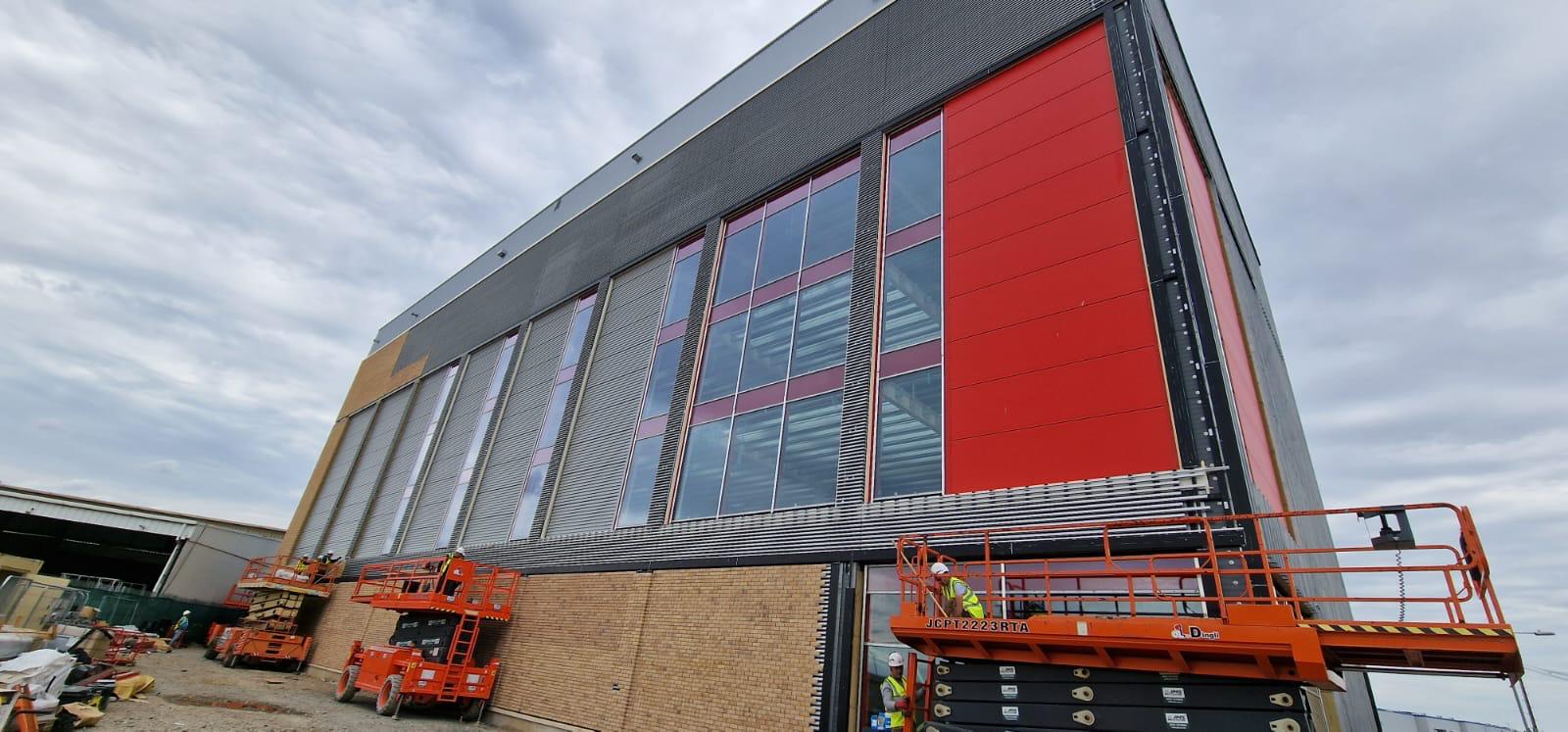
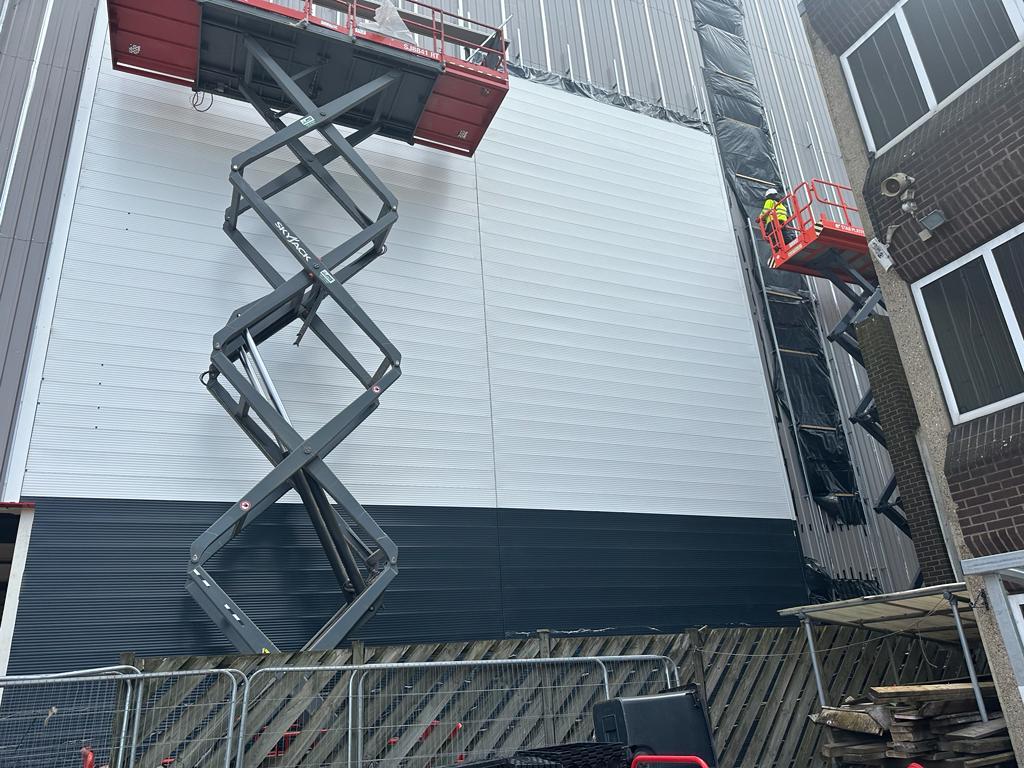
The construction phase is generally undertaken in a logical sequence: groundworks (clearing/grading, etc.), frame erection, construction of the building envelope (roof/cladding, etc.), followed by completion of fit-out and exterior work, including the creation of yard space, drainage systems, and landscaping. Throughout this process, clients benefit from a cohesive team and a single primary point of contact who oversees all aspects of their program, eliminating the need for multiple contractors to complete various phases and pass issues between themselves. For projects located within Berkshire, it is particularly beneficial to carefully plan and manage site activities, given the proximity of numerous businesses and residences to most building parcels.
Distribution Centres in Berkshire

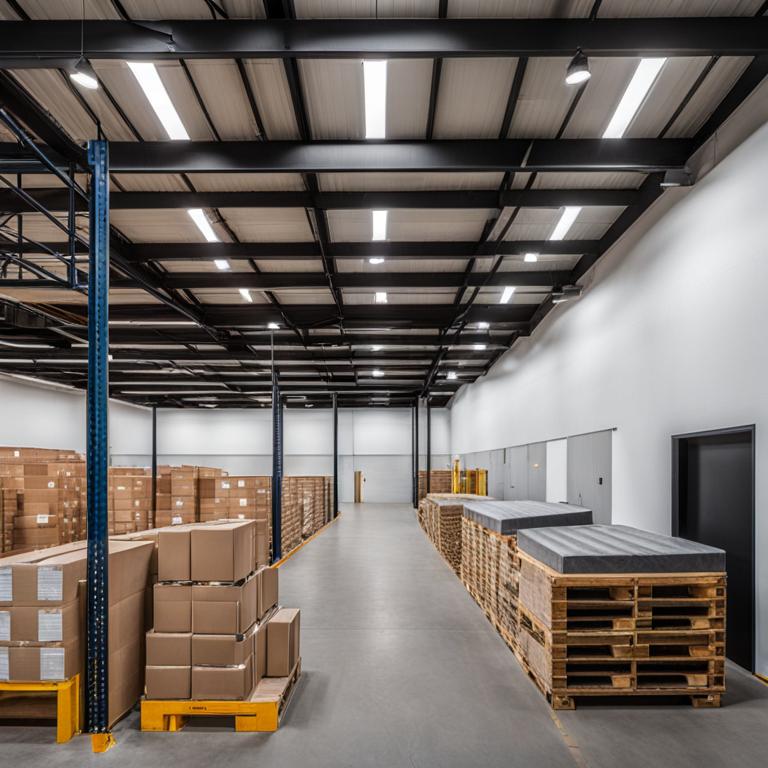
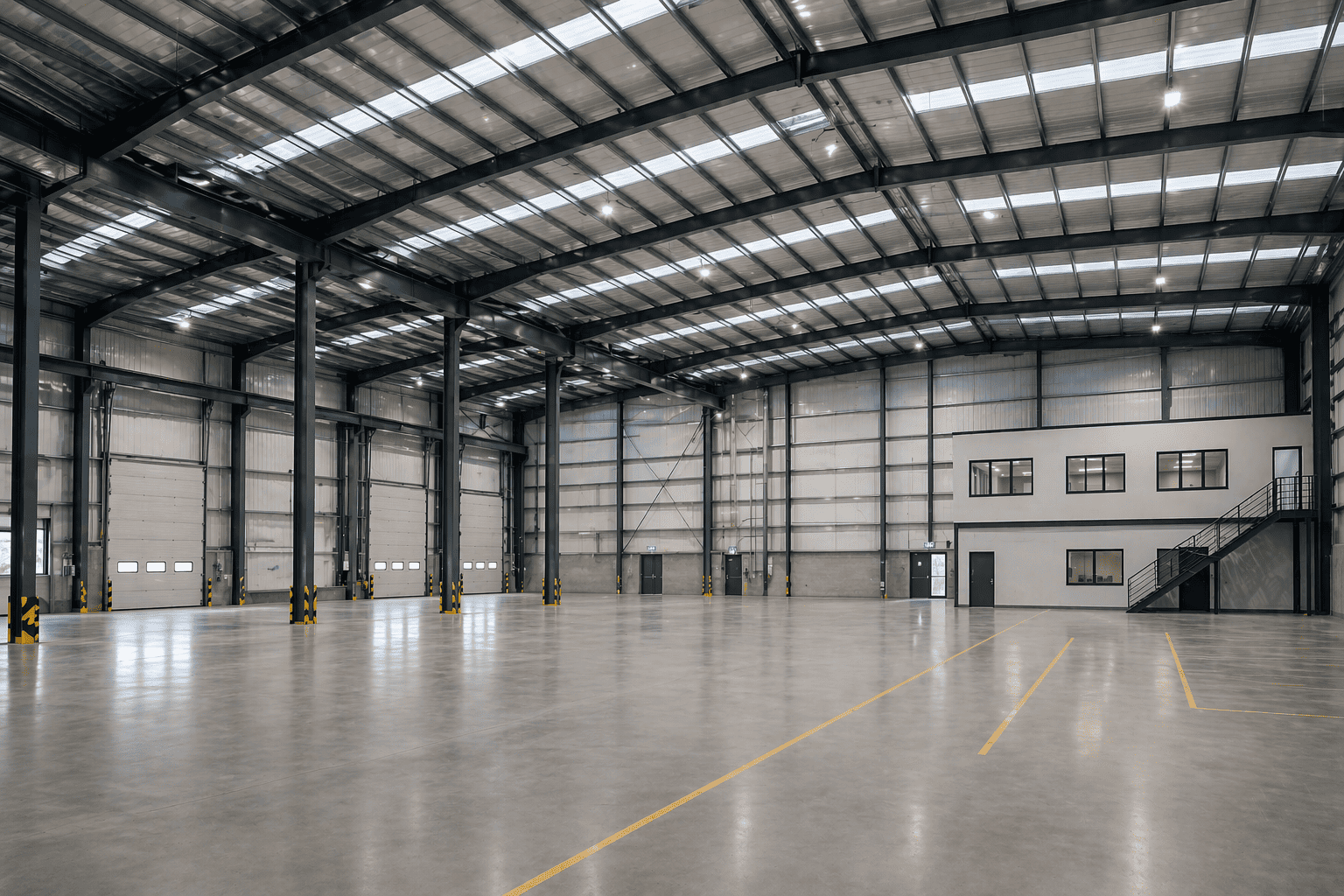
The needs of distribution centres typically exceed those of an average industrial building. If the distribution centre design does not meet all its needs (which is typically very difficult to correct), there may be many costly future changes. High-bay warehouse designs are commonly the centrepiece of a design, with the eave height and structural grid dimensions defined by the type of racking system and the reach capability of the material-handling equipment to be used within the facility. We work through each requirement with you and your racking or logistics consultant at the earliest stages, so that the frame and slab design can accommodate the operation rather than forcing the operation into a pre-designed frame and slab.

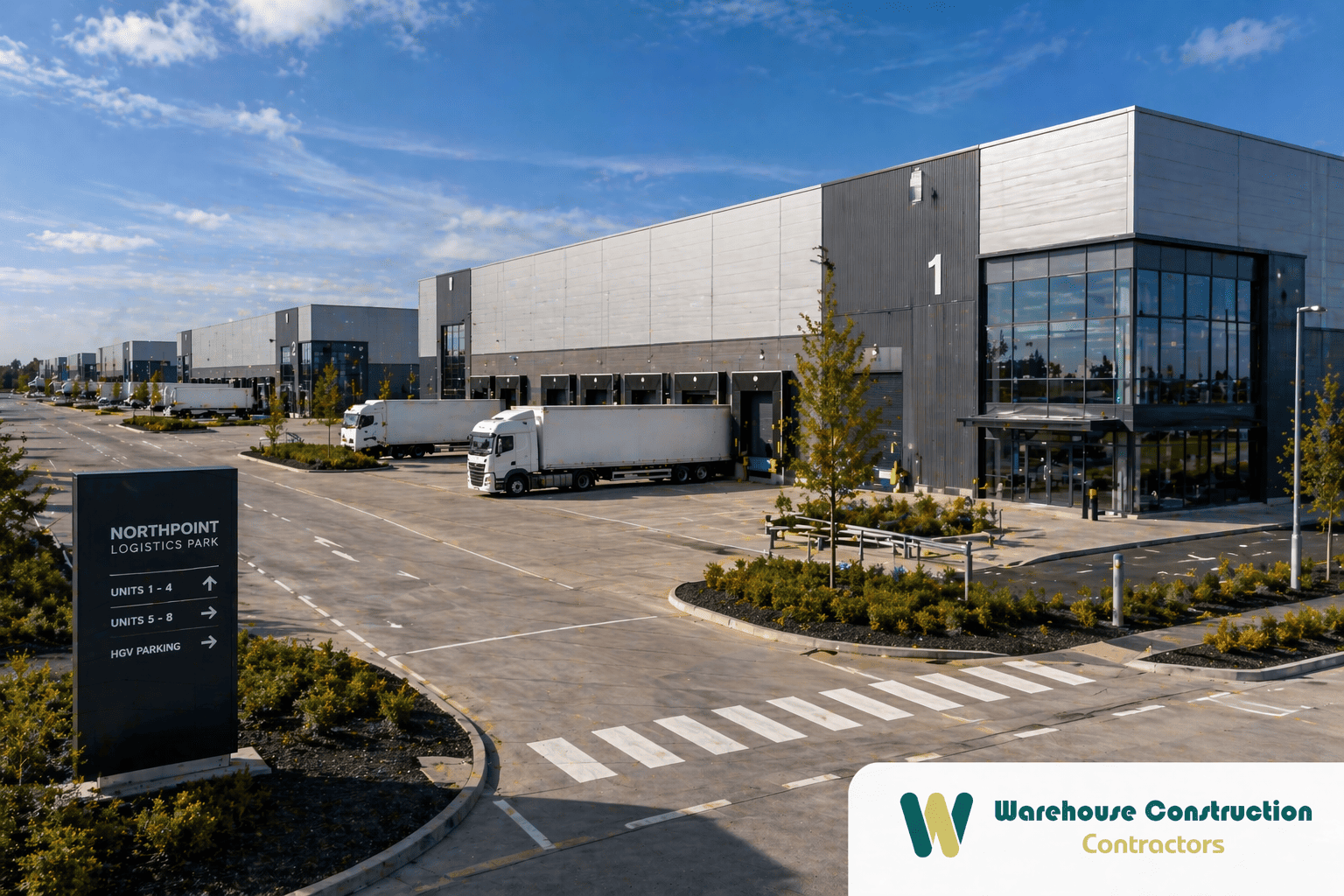
A similar approach applies to designing the dock levellers and loading docks based upon the size and quantity of your vehicle fleet and anticipated throughput. The number, location, and specification of dock doors determine the yard layout, internal circulation, and ultimately how long it takes to turn a truck around. We design the service yard with the same considerations in mind, determining the turning radius, parking areas, and queueing spaces for trucks to ensure the site operates efficiently once operational (not just on the date of completion).

Another area in which distribution centres differ from general-purpose storage facilities is the specification of floor slabs. As discussed previously, the high point loads applied by rack legs to floors and the strict flatness requirements for narrow-aisle equipment require that the floor slab design be accurate initially. In some cases, we have constructed distribution facilities where meeting slab flatness requirements during construction and achieving proper curing of the slab was critical to successful project completion; therefore, we carefully plan and sequence our concrete placement operations.

industrial-warehouse-construction2.png

Logistics Facilities in Berkshire

Logistics facilities encompass a variety of processes, such as cross-docking centres, parcel distribution centres, and e-commerce fulfilment units; each has distinct design priorities. The primary design criteria for cross-docking involve creating a building that allows rapid throughput. It requires designing the yard and door locations to minimise the distance products are moved from the incoming vehicle to the outgoing vehicle. We will design the yard and door configuration to accommodate this process flow rather than modifying the building design later.

E-commerce and parcel facility designs present unique conditions. Often, they combine warehousing with greater use of the first-floor office/pick area, as well as considerable electrical and computer needs for conveyor systems, sortation equipment/automation. If we can get the structural grid, floor loading, and services correct at the start of the project, we may avoid additional costs during the operators' fit-out.

Automated processes continue to become more common within logistics centre development. Examples of automated processes include Automated Storage & Retrieval Systems (AS/RS), Conveyor System Networks and Robotic Picking Systems. AS/RS require floor flatness, structural tolerance, and power supplies. Foundations for some of the equipment may also be required. We work with the automation supplier during the design phase to ensure the building shell is ready for their equipment to be installed, rather than requiring modifications.

Manufacturing Facilities in Berkshire

Industrial manufacturing facilities are similar in form to warehouse buildings; both typically consist of an open area with a steel-framed structure, concrete slab flooring and clear spans. However, the details are quite different. The high levels of electrical supply required by production and assembly operations may also necessitate specific drainage arrangements for certain processes, segregation of different stages of manufacture (in terms of movement, etc.), and suitable floor finishes for the equipment and materials used.

The Berkshire team will engage in discussions about your manufacturing operation before designing the facility. This includes understanding which crane runways are needed to move large or heavy items within the building; the types of ventilation and extraction systems required for production areas; and how raw materials enter the facility and how finished goods exit.

If your business requires industrial buildings that house manufacturing alongside storage and/or distribution, it is essential that each function has sufficient space and specifications; one function could compromise the other.

Berkshire has a significant number of advanced manufacturing technology companies in its portfolio, primarily in the Reading/Thames Valley corridor. A common requirement amongst this group of businesses is cleanliness, climate control, or other specialist services. Therefore, we can draw upon our past experience in creating facilities where achieving such detailed accuracy was at least as important as the facility's structural integrity.

industrial-warehouse-construction4.png

Warehouse Extensions

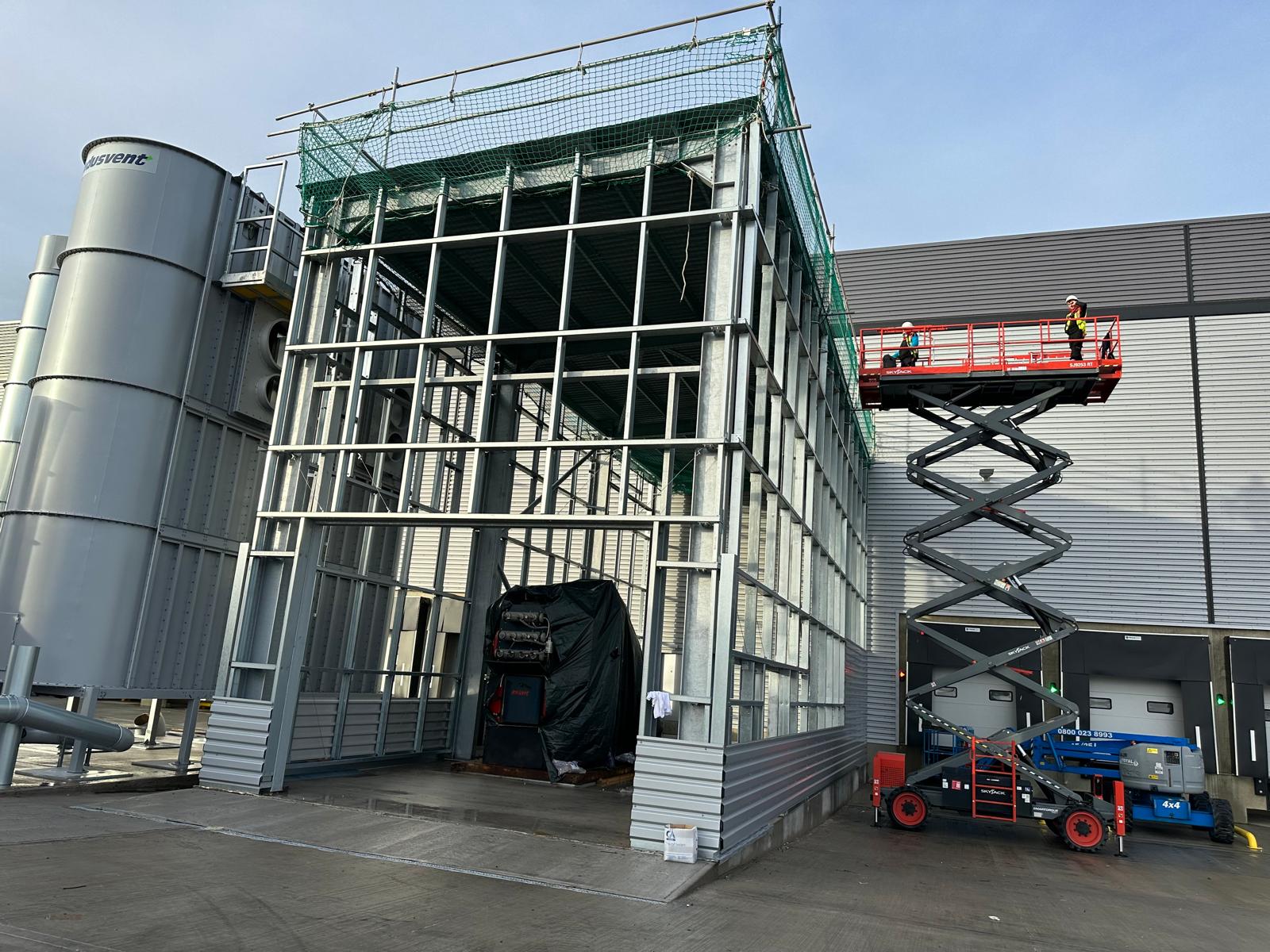
The expansion of an existing warehouse is almost always complicated beyond simply increasing floor space. When you add a new element to your building, you have to integrate both structures, so they function in tandem. The design of the new section will also need to be coordinated with your existing exterior finishes (roofing, siding, etc.) and site conditions, including drainage, utilities, and access points. To do this, we assess the current structure to determine its capacity and what the extension must look like to ensure safe attachment to the existing structure.

The most pressing concern for business owners expanding their operations is maintaining operations during construction. Most warehouses continue to operate while the addition is being built. As such, there must be a well-thought-out sequence of events, temporary weatherproofing at the point where the two buildings meet, and other on-site logistical issues that limit the amount of time/traffic/construction activity near operational sections of the facility.

You don’t merely want to match the original structure aesthetically. There are many things to consider when matching the original structure. These include roof pitch, eave height, structural grid size & spacing, and cladding profile, among others. If these factors are properly addressed, the new section will function as if it were never separated from the rest of the building; otherwise, it may create operational difficulties down the road.

Warehouse Refurbishments

Warehouse refurbishments that we undertake in Berkshire (in many cases) take place in existing warehouses rather than an empty development site. The extent of refurbishment works undertaken varies widely, ranging from remedial repairs to a complete strip-out and rebuild of certain aspects, such as roof coverings, floor slabs, claddings, mechanical and electrical services, and the offices contained within the warehouse. This will depend greatly upon the age and condition of the warehouse.

The first stage of refurbishment for most old industrial stock will typically be to address the roofs and cladding. This is due to both insulation levels and weather tightness not meeting the requirements of current regulations, in addition to the fire resistance required by modern standards. Floors are commonly repaired/overlaid/replaced based on usage, cracking and load-bearing capabilities to enable the new use of the warehouse. Mechanical and Electrical Services are normally undersized or nearing the end of their operational life when undertaking refurbishment works in an older warehouse. Therefore, these systems require upgrades before a new tenant's operations can commence.

Soft strips, demolitions, surveys, waste management, etc., which are all part of refurbishment works, are also handled internally through our sister company, Strip Out Company. By handling these aspects of the refurbishment process ourselves, we ensure the warehouse is genuinely prepared for the refurbishment to begin.

self-storage-builders-shurgardjpeg.jpeg

Design and Build

We manage the whole project, from conception to completion. We begin by finding out what you require from the building and develop a design that fulfils those needs at a reasonable price and timeframe.

The planning process is also dealt with during this time. The six Unitary Authorities in Berkshire each have their own Local Plan and their own approach to industrial developments. As part of our Design Process, we will handle all relevant requirements for your site to ensure there is no delay in obtaining approvals.

As Building Regulations are considered part of the design process from day one (rather than after the fact), the various aspects of the building regulations (including structural integrity, fire safety, etc.), along with Energy Performance, will be incorporated into our designs.

While developing the designs, we will also prepare Cost Plans so you can see exactly how much your project will cost before committing to proceed. In addition, instead of designing first and then having to 'value engineer' the design when bids are received for your project, we will complete our designs based on a budget and identify any potential cost impacts associated with the design decisions as they are made. Once both design and cost plans have been agreed, construction proceeds as normal, including all of the elements of a typical New Build or Refurbishment Project.

Sectors We Build For

Pharmaceuticals

In Reading and Slough, there is a history of Pharmaceutical and Life Sciences presence. The Buildings required by these companies require much more than a normal Warehouse Specification. In many cases, climate control, cleanroom standards, specialist drainage solutions, and enhanced Fire Protection Solutions are all included in the Brief. We design and build with these Requirements at the forefront of our minds and work closely with Specialist M&E and Process Consultants when required.

Technology

Berkshire is one of the UK's major Technology Hubs and therefore requires buildings that include Warehouse/ Light Industrial Space combined with Data Infrastructure solutions. Both Power Capacity, Resilience and Cooling are equally as important as Floor Area for these Occupiers. We have designed Facilities where the Services Specification were as Important a Part of the Design as the Structure itself.

Food & Beverages

Food and Beverages operations in Berkshire cover Manufacturing/Packaging through to Regional Distribution/Cold Store facilities. Cold Stores, in particular, have specific requirements such as Insulation/Flooring and Refrigeration Plant that are significantly different from those of Ambient Warehouses and can result in costly issues if incorrectly specified. We design these Buildings around the Operational Reality of operating a Cold or Chilled Facility rather than just the Headline Floor Area.

Trade Counter Operators

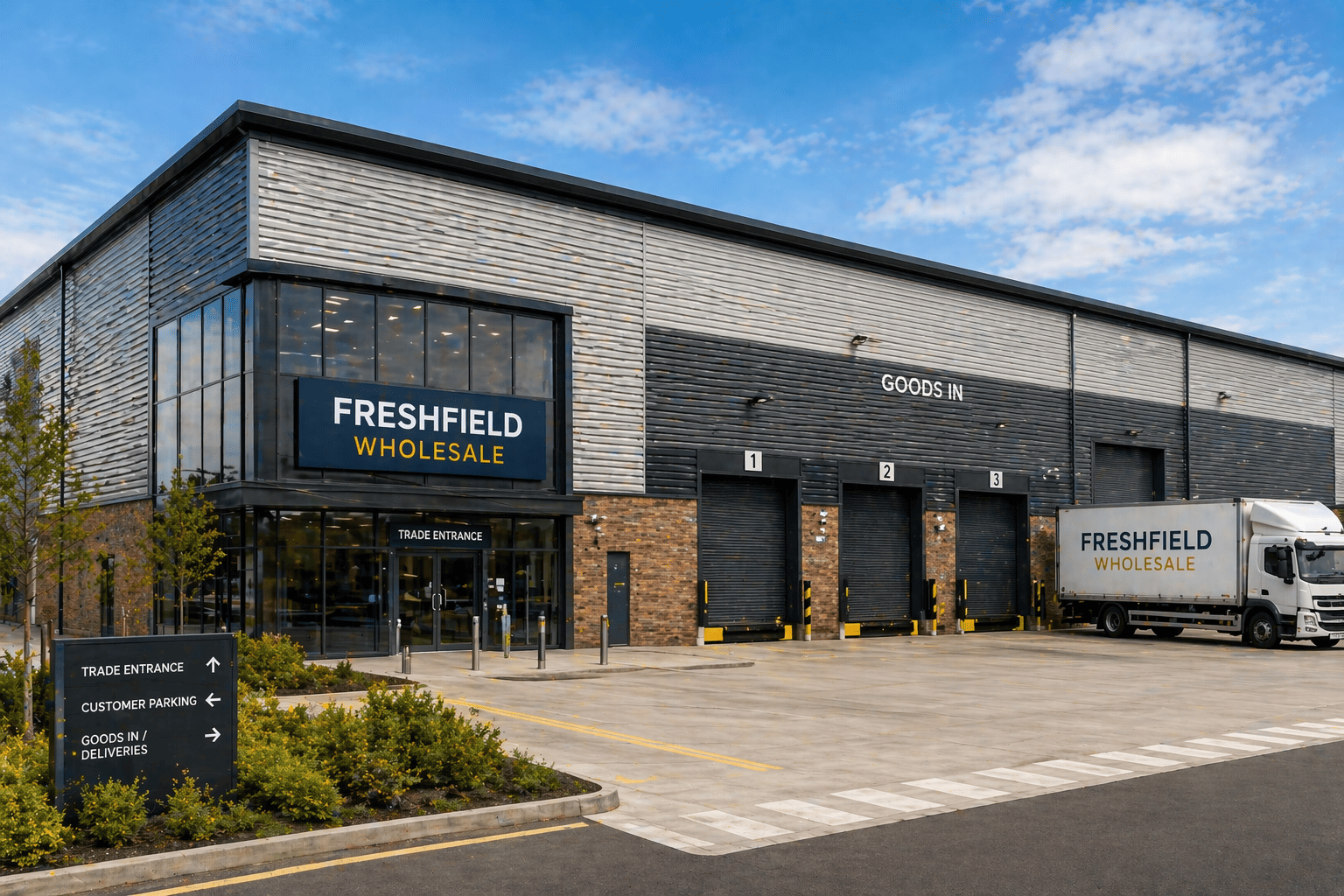
Build Merchants/Electrical Wholesalers/Plumbing Suppliers have their own unique requirements: a combination of Warehouse Space, Trade Counter Retail Space, and Yard Layout so Customers can Load Materials alongside Delivery Vehicles. With Residential Growth Ongoing within Berkshire and Continued Commercial Development, there is consistent Demand for this type of Facility, and we design the Building and Yard Layout based on customer movement and Deliveries through the Site.

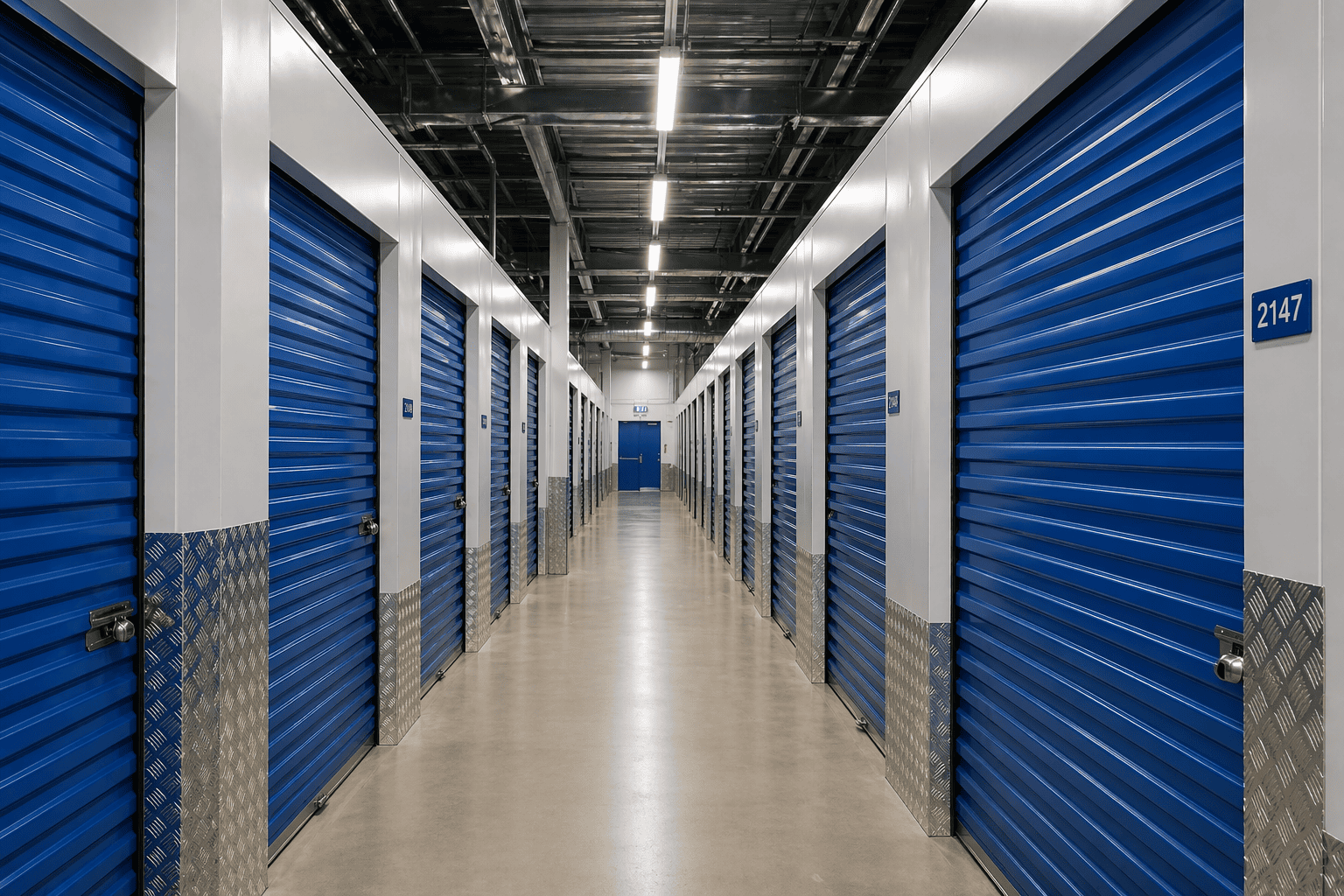
Self Storage

Self Storage has been one of the Steadier Growing Areas within Industrial Property, and Berkshire has a very High Population Density, which makes Self Storage a Strong Market for this Use. We have worked on both New-Build Self Storage Facilities and Existing Converted Industrial Buildings, where Internal Sub-Divisional Issues, Fire Compartmentation Issues and Access Arrangements become the main considerations. While converting an Existing Warehouse into Self-Storage Units can be more cost-effective than building new, it is only possible if the Existing Structure and Services can support it.

warehouse-construction-contractor1.jpeg

How We Deliver Warehouse Projects

Site appraisal – We assess the site itself: ground conditions, access, existing structures, services and any obvious constraints, so the project starts from an accurate picture rather than assumptions.

Feasibility – We work out what's realistically achievable on the site, covering massing, access, parking and yard space, and how this fits with your operational requirements and budget.

Planning – We prepare and manage the planning application, working through the requirements of the relevant Berkshire authority and addressing issues such as highways, drainage and any environmental considerations.

Design – Detailed design takes the agreed scheme and develops it into a buildable specification, covering the structure, building envelope, services and external works.

Groundworks – Site preparation, foundations and drainage are carried out to prepare the ground for the frame and slab.

Steel frame – The structural frame goes up, setting the building's shape, spans and eaves heights.

Envelope – Roofing and cladding are installed, making the building weathertight and ready for internal works to begin.

Fit-out – Internal works, including flooring, M&E installations, office areas, fire protection and racking infrastructure, are completed.

External works – Yards, access roads, drainage, parking and landscaping are finished to complete the site.

Handover – The completed building is handed over, with all documentation, certification and as-built information provided.

self-storage-builders-uk9.jpeg

Our Construction Capabilities

We carry out the full range of work needed to deliver a warehouse project from start to finish, including:

  • Steel frame erection
  • Reinforced concrete (RC) works
  • Groundworks and foundations
  • Cladding installation
  • Roofing
  • Office fit-out within industrial buildings
  • Loading docks and dock leveller installation
  • Service yards and external works
  • Drainage
  • Mezzanine floor installation
  • Fire protection systems
  • Warehouse flooring, including high-specification slabs for racking and equipment loads 

Because these capabilities sit within one team, we can sequence them efficiently and respond to changes during the build without the delays that come from coordinating separate specialist contractors.

Why Berkshire?

Berkshire's position makes it one of the most strategically useful counties in the country for warehouse and distribution operations. The M4 gives direct access to London in one direction and the M5 and South West in the other, while connections south and north put the Midlands and South Coast within reach for national distribution. For businesses that need to serve London and the wider South East from a single site, Berkshire is often the most efficient location available.

Heathrow's proximity adds another dimension, particularly for businesses with air freight or international supply chain requirements. The Elizabeth Line has also improved connectivity for towns like Reading and Slough, which matters when it comes to staff recruitment and retention for warehouse and logistics roles that depend on a reliable workforce.

Industrial demand across Berkshire has remained strong, driven by its position in the supply chain for London and the South East, its established technology and life sciences sectors, and ongoing growth in logistics and e-commerce. Land availability is tighter than in some other counties, which means existing buildings often carry real value through extension or refurbishment rather than only through new development. For businesses planning ahead, this combination of strong demand and limited new land makes a well-located, well-built unit in Berkshire a genuinely useful asset.

FAQ

How much does warehouse construction cost?

-

Warehouse construction costs depend heavily on the building's size, the level of specification, the location, and the quality of the ground. Therefore, there is no one fixed price for all warehouse construction projects. The best method to obtain a precise cost estimate is to attend a meeting at the proposed site location to discuss your needs. We offer these meetings complimentary.

How long will it take to build my warehouse?

-

The duration of a program of works (construction) is determined by the size and complexity of the building(s), whether you require planning approval prior to commencing construction and if you wish to complete construction in stages. Generally speaking, a simple "new build" unit can take approximately three to four months to construct, from commencement of groundworks until completion and handover. Planning and design will add to the overall construction period prior to commencement.

Will you be able to construct your warehouse while my business remains operational?

-

Yes. Many of our projects involve extending or refurbishing buildings where the client wishes to remain operational during the construction period. In order to facilitate this, we carefully coordinate the sequence of activities on-site and manage the site accordingly.

Can existing warehouses have extensions added?

-

Generally, yes. Provided the existing building structure can accommodate the additional loadings associated with any extension, and there is sufficient space on site for both the existing and proposed additions, and access is available. At the commencement of each project, we assess the building as part of the design process to determine which extensions can be added.

Are you capable of refurbishing warehouses?

-

Yes. Refurbishment forms a large proportion of our workload. Our experience includes the renovation of warehouse roofs, cladding systems, full interior layout changes and modernisations to offices within warehouse premises

Do i need planning approval for a new warehouse or extension?

-

Yes. However, some changes of use or minor extensions may be considered to be permitted development and can proceed without planning consent, depending on the site and its previous planning history. There are six unitary authorities within Berkshire; each authority operates under its own local plan, therefore requirements differ depending on where you live. We identify whether you need planning consent as part of the feasibility and planning phase for every project.

Do you handle demolition/strip-out work before commencing with a project?

-

Yes, we carry out soft strip/demolition/structural demolition/site clearing, etc. Through our sister company, Strip Out Company. This includes conducting surveys and arranging waste removal. Once this work is completed, we ensure that the site is prepared and ready for construction to commence.

Let’s get
started

Would you like to learn more about how we can help you with your next residential or commercial project, fill in your details and a member of our team will be in touch.

This site is protected by reCAPTCHA and the Google Privacy Policy and Terms of Service apply.

Latest From the Blog

warehouse-construction-builders1.png
What Does a Warehouse Strip-Out Involve?

A strip-out is the first phase of most warehouse refurbishment, redevelopment and end-of-lease projects, and it sets up everything that follows. Get it right and the building hands over clean, safe and ready for the next stage. Get it wrong, and the problems carry thro..

Read Full Story »
industrial-warehouse-construction1.png
Brownfield vs Greenfield: Which Is Right for Your Industrial Warehouse Project?

In choosing a site, every other element of the project is set, including the cost of acquisition, the time required to complete the project, planning risks, and ultimately, the structure you will create. If the choice is incorrect, the rest of the project will be spent recovering from an error in judgment that was made within days of commencing...

Read Full Story »