Industrial Warehouse Construction

Building an industrial warehouse is one of the most significant capital decisions a business or developer makes. Get the design right, and the building supports your operation for decades. Get it wrong, and you're managing the consequences, such as inefficient layouts, inadequate loading, under-specified floors, M&E that can't keep up, every single day. We design and build industrial warehouse facilities across London and the South East. Logistics warehouses, manufacturing plants, distribution centres, trade counter units, multi-unit industrial estates and specialist storage facilities. We operate as a design-and-build contractor for clients who want a single point of responsibility, and as a works contractor for those who already have an architect or project manager in place and need an experienced industrial contractor to deliver the build. Either way, our job is the same. Deliver the building on time and on budget, built around how it's actually going to be used.

Industrial Warehouse Construction Contractors

What is Industrial Warehouse Construction?

Construction of warehouses that support industrial functions (e.g., storage, manufacturing, logistics/distribution) is referred to as "industrial warehouse construction." This type of construction represents a distinct area of construction activity separate and apart from other forms of commercial building construction, and the distinctions are important. Structural requirements are greater. Due to the loads imposed on them, the spans required in industrial buildings are typically much larger than those in standard commercial buildings. Also, industrial buildings require reliable performance in operating environments that would pose no problems to an office or retail environment. For example, the slab-on-grade floor in an industrial building can represent one of the most significant structural design considerations due to the potential presence of racking systems, forklift traffic and/or heavy manufacturing equipment.

Requirements for the services infrastructure are more complex. Depending on the intended use of the building, power supply requirements, ventilation requirements, drainage system design, fire suppression system design, and loading dock configurations will vary significantly from one facility to another. For example, a logistics warehouse that stores ambient goods requires a completely different M&E system than does a food production facility or a pharmaceutical product storage facility. The operational consequences of poor design are more severe. Poorly designed offices are merely inconvenient; however, poor design in warehouses or manufacturing facilities directly harms the operations within those facilities -- i.e., reducing throughput rates, creating safety issues, limiting expansion opportunities, and imposing incremental cost burdens that compound over time.

Properly constructed industrial warehouse facilities begin with the operation and proceed to develop the building based on the identified operation. In this manner, the structure, layout, specifications, and program for each facility are developed based on a detailed understanding of how the building will operate and who will utilise it.

industrial-warehouse-construction1.png

Types of Industrial Warehouse We Build

At Warehouse Construction Contractors, we build industrial warehouses across London and the South East for businesses and developers who need a facility that actually works for their operation. Industrial warehouse is a broad term, and the building types within it have meaningfully different requirements. Here's an honest overview of what we build and what each type involves as a construction project.

Logistics and Distribution Warehouses

If you're running a logistics operation, every design decision we make is driven by one thing: throughput. When we design and build a logistics warehouse for you, eaves height, floor slab specification, loading bay configuration, column grid, and yard layout are all determined by how your goods move in, are stored, and go back out as efficiently as possible.

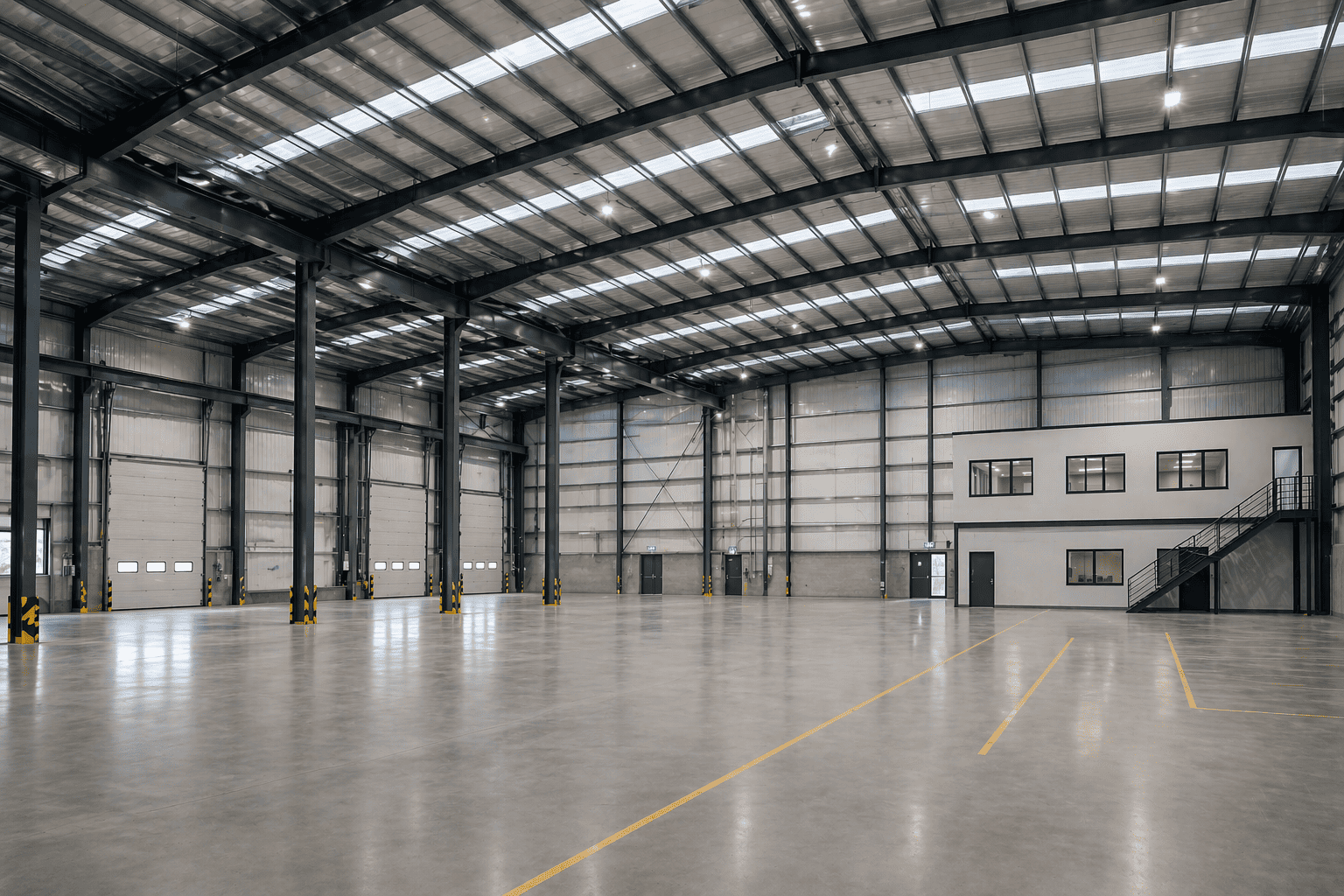
Eaves height is one of the most important decisions you'll make early in the process, and one we'll push you to get right. Modern logistics operations typically require a minimum of 10 to 12 metres of clear space, with larger distribution facilities often specifying 15 metres or more. Getting this wrong is one of the most expensive mistakes to correct once we've put the structural frame up, so we make sure it's resolved before we get anywhere near that stage. Floor slab specification matters just as much. The high-frequency forklift traffic and heavy racking loads your operation places on the floor need a slab that's been properly engineered for that use from the start, not a standard spec that won't hold up over time.

Manufacturing Plants

When we build a manufacturing facility for you, we start with your process, not the building. Before we design a structural frame, we need to understand your equipment layout. Where does your production line sit? How do raw materials arrive, and finished goods leave? What power and services does each piece of equipment require? How do your people move safely around all of it?

Power supply is usually the first major issue we work through with manufacturing clients. Your operation may place significant demands on the site's electrical infrastructure, and many older sites across London and the South East can't support those demands without upgrades. We identify this early so it doesn't become the kind of cost and programme problem that's genuinely difficult to recover from once your project is underway.

Distribution Centres

Distribution centres share a lot with logistics warehouses, but operate at a greater scale and complexity, and at Warehouse Construction Contractors, we understand the difference. When we deliver a distribution centre for you, sorting systems, conveyor infrastructure, extensive staff facilities, and integrated office accommodation are all designed into the building from the start, not fitted into a shell that wasn't planned around them.

Automation readiness is something we're increasingly asked to build into distribution centres we deliver. If you're not installing automated systems at day one but know you'll need to accommodate them later, we design the structure around that from the outset so it doesn't require major intervention down the line.

Trade Counter and Last-Mile Urban Logistics

If you're developing a trade counter or last-mile logistics facility, you're dealing with a building that has a customer-facing dimension most industrial facilities don't. When we work on these projects, we make sure the front of house works commercially for your customers — visible, accessible, with parking that functions properly and a customer area that feels considered. At the same time, the back of house needs to run as an efficient logistics or storage environment for your team.

Getting both to work within a single building, often on a constrained urban site across Greater London or the South East with restricted access and neighbours close by, is a specific challenge we have real experience with. It's a different project from an out-of-town distribution shed, and we approach it that way.

Multi-Unit Industrial Estates

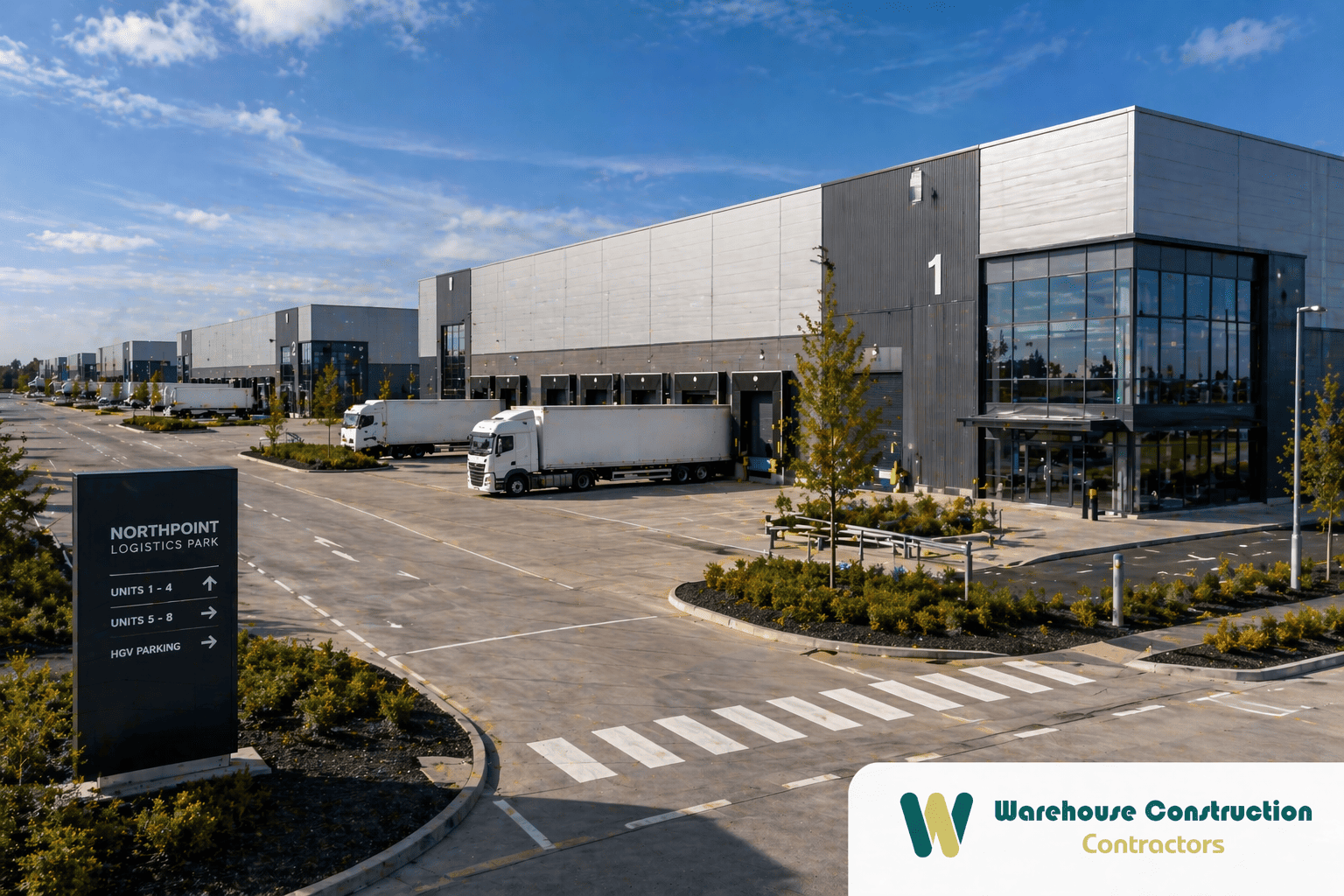
If you're developing an industrial estate, you need a contractor who understands that this is a fundamentally different kind of project to a single building. At Warehouse Construction Contractors, we work with developers and landowners to deliver multi-unit estates across London and the South East, managing the shared infrastructure, phased delivery and unit mix decisions that make these projects work commercially.

Getting the unit mix right matters. It needs to reflect actual local demand rather than just what's easiest to build. Shared yard layouts, utility routing, acoustic separation between units and keeping early phases operational and lettable while later ones are still under construction all require careful early coordination. This is exactly the kind of project where involving us at the earliest possible stage makes a significant difference to how smoothly everything runs and to the cost of delivering the finished estate.

Specialist Storage Facilities

If your project involves temperature-controlled storage, hazardous goods, high-security requirements or pharmaceutical storage, we can build it — but we want to be clear that these buildings go well beyond a standard ambient warehouse spec and we treat them accordingly.

When Warehouse Construction Contractors delivers a specialist storage facility, the insulated panel systems, specialist flooring, enhanced access control and the regulatory compliance frameworks that govern pharmaceutical and food-grade environments are part of the very first design conversation, not features we try to layer on at the end. If your facility needs to meet specific regulatory standards, we ensure the building supports them from the ground up.

Industrial Processing and Waste Facilities

We have direct experience delivering facilities for waste handling, recycling and industrial processing across London and the South East, and we know these buildings have specific requirements that set them apart from general storage and logistics projects.

When we build one of these facilities for you, the reinforced slabs for heavy vehicle movements, bunded areas to contain spillage, robust drainage, dust and odour control and the often more complex planning environments that come with this building type are all built into our approach from day one. If you're considering a facility of this kind, the difference between working with Warehouse Construction Contractors and a generalist builder who treats it as a standard warehouse with a few modifications shows up in the finished building.
industrial-warehouse-construction2.png

How We Work — Design and Build vs Works Contractor

When you're planning an industrial warehouse project, one of the first practical decisions is how you want construction managed. At Warehouse Construction Contractors, we offer two routes, depending on where you are in the process and how many team members you already have in place.

Design and Build

If you want a single point of responsibility across the whole project, design-and-build is the right route. You appoint Warehouse Construction Contractors, give us your brief, and we manage everything from concept design and planning through to construction and handover. One team, one contract, one point of contact throughout.

The practical advantages are significant. There are no gaps between what's designed and what gets built. Cost certainty comes earlier because we're developing the design and the cost plan together. Programmes are often faster because design and construction can overlap; we can start groundworks while later-stage design is still underway. And when decisions need to be made or problems solved, there's no question of whose responsibility it is.

Design and build works best for clients who have a clear operational brief and don't want to manage separate architects, structural engineers, M&E consultants, and a main contractor as individual appointments. We bring all of that under one roof.

Works Contractor

If you already have a design team in place and need an experienced industrial contractor to deliver the construction, we work as a works contractor within your existing team. Some clients come to us with an architect and project manager they've worked with for years. They don't need us to manage the design. They need us to build what's been designed, on time and on budget.

Warehouse Construction Contractors integrates into your team without creating friction. We're experienced working alongside architects, project managers and cost consultants, and we know how to deliver a set of drawings and a specification without the kind of contractor-driven value engineering that undermines what the design team has worked to achieve.

Early Contractor Involvement

Whichever route you choose, involving us earlier produces better outcomes. The earlier Warehouse Construction Contractors are part of the conversation, the more we can contribute to buildability, cost and programme before those decisions become fixed. We regularly work with clients and their design teams during the pre-planning stage to review designs, provide early cost advice and identify long-lead procurement items. That input costs nothing extra and consistently makes the project run more smoothly.


If you're not sure which route is right for your project, get in touch. We'll give you an honest view of what makes sense for your specific situation.

industrial-warehouse-construction3.png

The Industrial Warehouse Construction Process — Stage by Stage

Most businesses build one or two warehouses in their lifetime. We build them constantly. Here's an honest walkthrough of the process from first conversation to handover.

Feasibility and Site Assessment

Before any design work starts, Warehouse Construction Contractors assesses whether your site and brief are compatible. Plot size, ground conditions, access, power supply, and planning constraints all need to stack up against your budget before you spend money on design. We'd rather tell you something isn't viable at this stage than six months down the line.

Concept Design and Planning Strategy

Once feasibility is confirmed, we develop the concept design alongside the planning strategy. The building footprint, eaves height, loading bay configuration, yard layout, and office accommodation are all resolved here. Developing design and planning strategy together matters — a design produced without planning in mind often needs significant rework after the first local authority meeting.

Planning Application

We manage the planning process on your behalf, working with planning consultants, transport assessors, drainage engineers and ecologists as required. Planning is the least controllable part of any programme. We engage with the local authority before submission wherever possible to surface issues early and resolve them through design rather than negotiation after the fact.

Technical Design and Building Regulations

Once consent is secured, the full technical design is developed. Structural calculations, M&E specification, floor slab design, cladding, drainage and building regulations drawings are all produced and coordinated at this stage. Building regulations are submitted and managed in parallel to avoid unnecessary programme delay.

Procurement and Programme

Long-lead items — structural steel, cladding systems, dock levellers and specialist M&E equipment — are identified and ordered early. Delays in these items are the most common cause of programme slippage on industrial projects. The construction programme is set and shared with you in full before work starts. You have complete visibility throughout.

Groundworks and Foundations

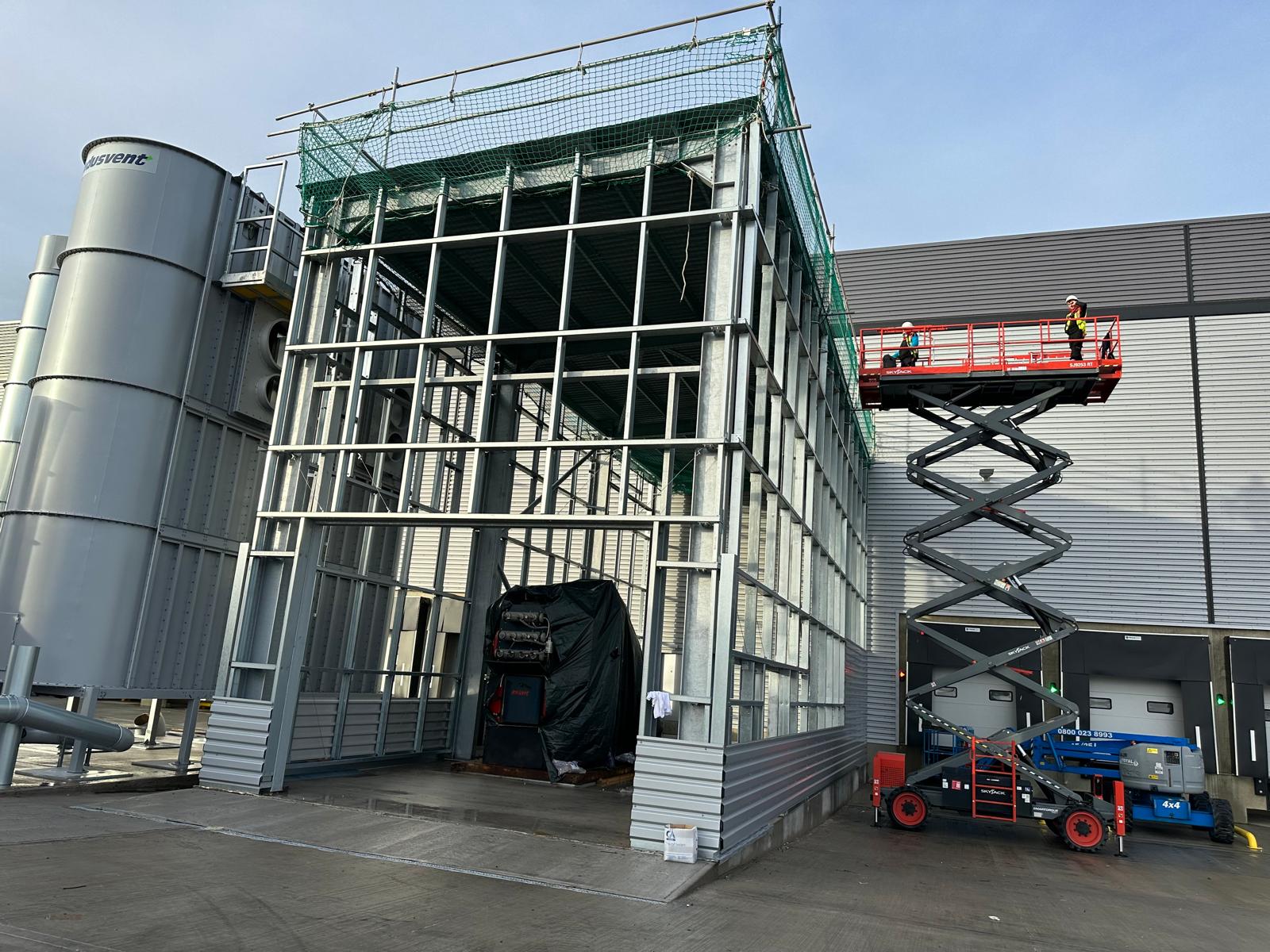
Construction starts below ground. Site clearance, excavation, drainage, foundations and piling where ground conditions require it. Ground conditions are the biggest source of unexpected cost on any construction project. Where we've been involved from feasibility, we make sure a proper ground investigation has been carried out before this stage begins.

Structural Steel Frame

The steel portal frame goes up once the foundations are complete. For most industrial buildings, this is one of the faster stages of the programme and the point where the building becomes visible. Eaves height, column spacing and clear span are all fixed here — decisions made in the design but made irreversible at this stage.

Roofing and Cladding

Roofing, insulation, rooflights, wall cladding, guttering and external doors follow the frame. The building becomes weathertight at this stage, which is a significant milestone — it allows internal trades to start regardless of weather and keeps the programme moving.

Mechanical and Electrical Installation

Electrical distribution, lighting, heating and ventilation, fire alarm, sprinkler systems, access control, CCTV and data infrastructure are all installed once the building is weathertight. M&E is where the most significant cost variation occurs on industrial projects because the scope is driven directly by how the building will be used.

Internal Fit-Out

Office accommodation, welfare facilities, mezzanine floors, partitioning, floor finishes, ceilings and decoration. The level of fit-out varies depending on whether the building is a shell for a tenant, a Cat A or Cat A+ specification, or a bespoke owner-occupier fit-out.

External Works and Yard

Yard surfacing, drainage, fencing, car parking, external lighting, landscaping and line markings. External works are consistently underestimated in early budgets. On sites with significant HGV traffic, yard surface specification matters — a surface that deteriorates quickly under heavy use becomes a maintenance cost the client carries for the life of the building.

Handover and Aftercare

Building regulations sign-off is managed throughout construction at key inspection stages. At handover, Warehouse Construction Contractors provides the full documentation package, including as-built drawings, O&M manuals, warranties, certificates and the health and safety file. The building is ready to occupy from day one. Any defects that arise in the first 12 months are our responsibility, and we address them promptly.

industrial-warehouse-construction4.png

Key Design Decisions That Affect Cost and Performance

The decisions that have the biggest impact on what your industrial warehouse costs to build and how well it performs are nearly all made in the first few weeks of design. Get them right early, and the project follows logically. Get them wrong, and the consequences are expensive and difficult to reverse. Here's what Warehouse Construction Contractors will work through with you at the start of every project.

Eaves Height

Eaves height determines what your building can actually do. Too low and you're restricting racking height, equipment and future growth. Too high and you're paying for structure you don't need. Standard industrial units typically run from 6 to 8 metres clear. Logistics and distribution facilities generally require a minimum of 10 to 12 metres, with larger operations specifying 15 metres or more. We push clients to think five to ten years ahead on this because changing eaves height after the frame is up simply isn't a practical option.

Column Grid and Clear Span

A tighter column grid reduces structural costs but limits the floor's flexibility. A wider, clear-span costs more but offers far greater operational flexibility. For most logistics and storage operations, the wider span is worth it. For manufacturing facilities, the column grid needs to be resolved around your equipment layout before structural design starts, not the other way around.

Floor Slab Specification

The floor is one of the most important and most frequently underspecified elements of an industrial warehouse. A slab not designed for the actual loads it will carry will crack and deteriorate under racking systems and forklift traffic. Repairing or replacing a floor slab in a live building is enormously disruptive and expensive. Warehouse Construction Contractors work through your racking point loads, forklift axle loads and traffic frequency at the design stage so the slab is right from day one.

Loading Bay Configuration

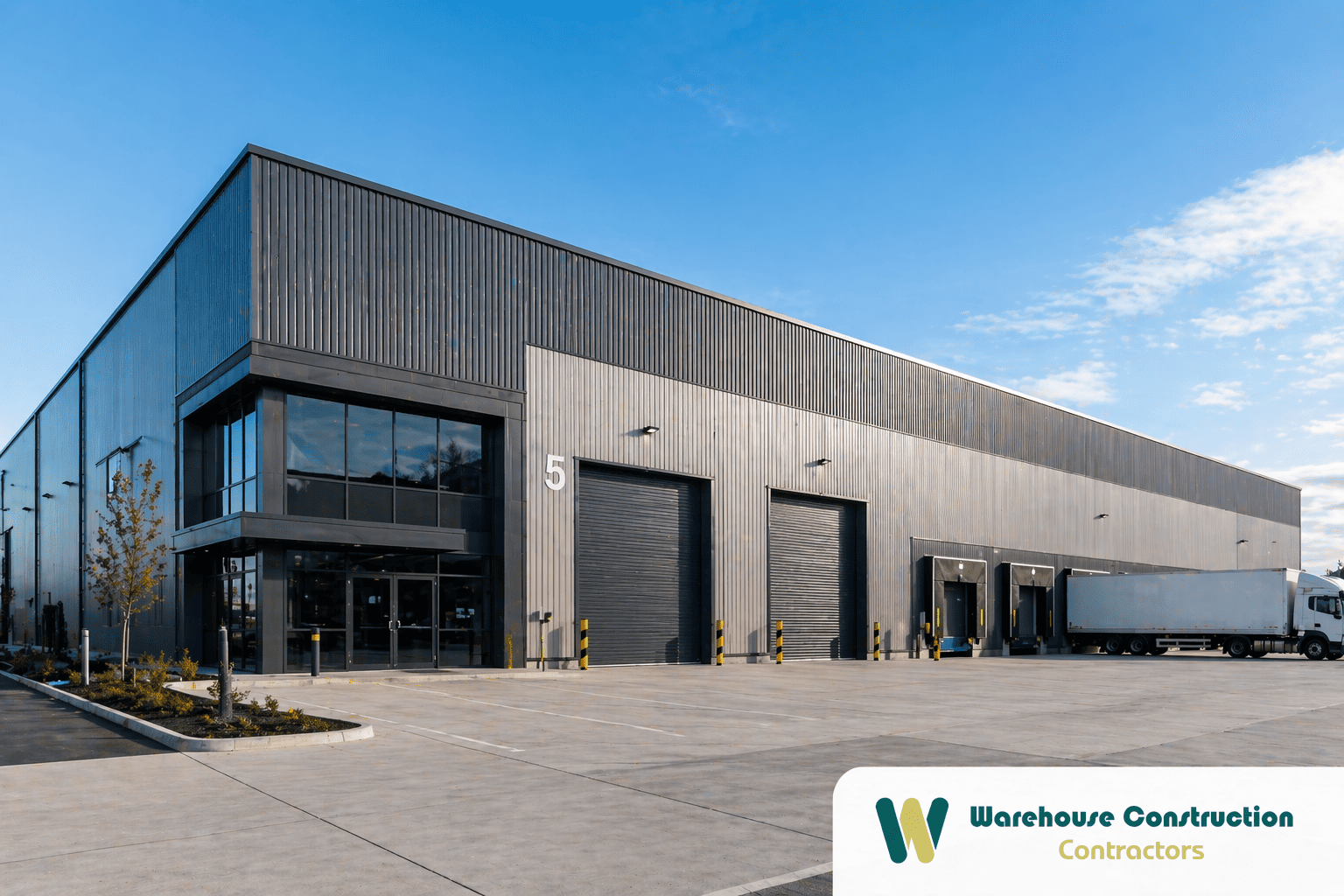
The number, position and specification of your loading bays shape how the building performs at its busiest moments. Too few creates bottlenecks that can't be fixed internally. Poorly positioned bays create inefficient yard movements that affect every delivery for the life of the building. We run vehicle swept path analysis on every project to ensure the yard and bay arrangement works before anything is built.

Power Supply

Power supply is one of the most common sources of unexpected cost on industrial projects, particularly on older sites across London and the South East. If the existing supply can't support your M&E requirements and an upgrade or new substation is needed, that involves the DNO and takes time. We check the power position at feasibility on every project, so it's in the cost plan from the start, not discovered mid-construction.

Energy Performance and Sustainability

EPC ratings affect leasability, asset value, and increasingly planning prospects. Minimum standards for commercial buildings are tightening, and buildings constructed now need to be designed with that in mind. The most cost-effective approach is through the fabric of the building — roof insulation, wall U-values, rooflights and heating strategy, rather than adding technology afterwards. Solar PV is increasingly common on industrial roofs and something we regularly incorporate at the specification stage, given the large roof areas and high daytime energy use typical of warehouse operations.

Fire Strategy

The fire strategy shapes the building more than most clients expect. Compartmentation affects the internal layout. Sprinkler design affects structural loading and drainage. Means of escape determine door positions. Getting the fire strategy agreed with building control early avoids costly, disruptive redesign. On buildings storing high-value goods or hazardous materials, insurance requirements may go beyond building regulations alone and need to be understood before the design is fixed.

warehouse-construction-contractor3.jpeg

How Much Does Industrial Warehouse Construction Cost in the UK?

It's the first question most clients ask, and the one most contractors avoid answering properly. At Warehouse Construction Contractors, we'd rather give you real figures with an honest explanation of what drives them than leave you working from guesswork.

Shell Only — Standard Industrial Unit

A basic industrial shell with a steel portal frame, roofing, cladding, a concrete floor slab, and roller shutter doors typically runs between £55 and £85 per sq ft. At the lower end, you're looking at a simple building on a straightforward site with standard specifications. At the upper end, the specification is higher, the site has more constraints, or the building has more complexity.

Mid-Specification Logistics Warehouse

A logistics warehouse with full fit-out, including dock levellers, LED lighting, heating and ventilation, fire alarm, sprinkler system, office accommodation and external works typically runs between £85 and £120 per sq ft. This covers most new-build logistics and distribution facilities across London and the South East. The variables that move cost within this range are eaves height, loading bay specification, office accommodation, M&E complexity and external works.

High-Specification Distribution Centre or Manufacturing Facility

High-specification distribution centres with automation infrastructure, large office and welfare accommodation and complex M&E typically run between £120 and £160 per sq ft. Manufacturing facilities with bespoke process infrastructure, heavy floor loading and specialist ventilation sit in a similar range and sometimes beyond it. At this level, the M&E package is often the single largest cost driver.

Specialist Facilities

Temperature-controlled storage, pharmaceutical environments and high-security facilities sit above these ranges. Specialist systems and regulatory compliance requirements push costs to £150 per sq ft and beyond, depending on specific requirements.

What Sits Outside These Ranges

The figures above cover the core construction cost. Several items sit alongside them and need separate budget provision.

Professional fees typically add 8 to 15 percent to construction costs. Power supply upgrades are increasingly common on older sites across London and the South East. If a new substation or supply upgrade is needed, costs of £50,000 to £200,000 or more may be required. Ground conditions are the biggest source of unexpected cost on any project; piling, ground improvement, or contamination remediation can significantly affect the overall budget and a proper ground investigation before design starts is essential. External works, including yard surfacing, drainage, fencing and lighting, are consistently underestimated and can run to several hundred thousand pounds on a large industrial site. VAT at 20 per cent applies to construction costs. Contingency should be budgeted at 10 to 15 percent; it's what separates a budget that holds from one that unravels when the detail comes in.

A More Useful Way to Budget

Generic cost-per-square-foot figures are a starting point, not a reliable budget. When you're ready to move beyond the ranges, Warehouse Construction Contractors will visit your site, understand your brief, and provide a detailed cost plan tailored to the actual project. That's the number worth relying on.

Read More

warehouse-construction-contractors1.jpg

How Long Does Industrial Warehouse Construction Take?

Timescales vary depending on the size and complexity of the project, but here are realistic reference points based on what Warehouse Construction Contractors regularly delivers across London and the South East.

Pre-Construction Phase

This is the phase most clients underestimate. Feasibility, concept design, planning application, technical design and procurement all happen before a spade goes in the ground.

Planning alone typically takes 8 to 13 weeks for a straightforward application on an established industrial site. More complex schemes involving transport assessments, environmental impact or sensitive locations take longer and in some cases significantly so. Pre-application engagement with the local authority before submission is something we recommend on most projects; it adds a few weeks upfront but consistently delivers faster, more predictable outcomes.

Technical design, procurement and mobilisation typically add another 8 to 12 weeks after planning consent. Long-lead items like structural steel and cladding systems need to be ordered as early as possible, ideally before planning is finalised on a design-and-build project, to avoid the situation where consent is granted but construction can't start because materials aren't available.

In total, clients should plan for 6 to 9 months from project start to construction commencing on a straightforward scheme. Complex projects, difficult sites or lengthy planning processes extend that further.

Construction Phase

A straightforward industrial unit up to 10,000 sq ft typically takes 4 to 6 months to build once construction starts. Mid-size projects between 10,000 and 50,000 sq ft generally run from 6 to 12 months. Larger or more complex schemes require longer programmes and benefit significantly from early contractor involvement to identify and manage the critical path from the outset.

What Affects the Programme

Ground conditions are the biggest variable in the construction phase. If piling or ground remediation is required, that adds time at the start of the programme before the structural frame can begin. Phased construction, where parts of the site need to remain operational during the build, adds complexity and typically extends the overall programme. Planning conditions that require approval before certain works can start need to be mapped against the construction sequence from day one — conditions that aren't picked up early are one of the most common causes of avoidable delay.

The Honest Position on Timescales

Warehouse Construction Contractors sets realistic programmes from the start. If your project has constraints that will extend the timeline we tell you at the beginning, not after it's already become a problem. An honest programme that holds is worth considerably more than an optimistic one that doesn't.

Read More

warehouse-construction-builders1.png

Planning Permission for Industrial Warehouse Construction

Planning is where industrial warehouse projects most commonly slow down. Not because they're unusual, but because the process has more moving parts than most clients expect. Here's what Warehouse Construction Contractors sees consistently across projects in London and the South East.

Use Class

Most industrial warehouse buildings fall under Use Class B2 for general industrial or Use Class B8 for storage and distribution. Getting this right from the start matters. A description that's too broad attracts unnecessary scrutiny. One that's too narrow restricts how the building can be used once it's built.

Highways

Highways' impact is where the planning conversation starts on most industrial schemes. Local authorities want to understand vehicle movements, site access and whether the surrounding road network can absorb additional traffic. A transport assessment is required on most schemes of any meaningful size. Early engagement with the highways authority before submission consistently produces better outcomes than dealing with objections after the application is lodged.

Neighbouring Impact

Building height and massing, proximity to residential properties, noise, operating hours and external lighting are all regularly examined. These aren't usually insurmountable, but need to be addressed through design from the outset rather than negotiated after submission. Landscaping, acoustic fencing, and restricted operating hours are regularly imposed as planning conditions on industrial schemes.

Environmental and Drainage Requirements

Surface water drainage through a SUDS strategy, energy performance, ecological surveys, and contamination risk assessments on brownfield sites are all standard requirements. Ecological surveys are season-dependent; commissioning them late is one of the most common causes of avoidable programme delay on industrial projects.

Planning Conditions and Construction

Conditions attached to consent shape how the project is delivered. Materials approval, landscaping details, drainage strategies, and highway works are common before construction starts. Warehouse Construction Contractors maps every condition against the construction programme at the point of consent, so nothing causes avoidable delay during the build.

Pre-Application Engagement

On most schemes, we recommend engaging with the local authority before submission. It adds a few weeks upfront but surfaces issues early, produces a stronger application, and consistently results in faster and more predictable determinations.

Read More

warehouse-construction-contractors-uk.jpeg

Brownfield vs Greenfield — Which Is Right for Your Industrial Warehouse Project?

One of the earliest and most consequential decisions in any industrial warehouse project is the site itself. Brownfield and greenfield sites have significantly different implications for cost, planning, programme and risk. Warehouse Construction Contractors works across both, and here's an honest assessment of what each involves.

Brownfield Sites

Brownfield land makes up the majority of available industrial development land across London and the South East. The location advantages are real — infrastructure, transport links, and proximity to population centres are typically better than those of greenfield alternatives. Planning policy generally supports brownfield redevelopment, and local authorities view these applications more favourably.

The challenges are equally real. Ground conditions are less predictable. Previous industrial use may have left contamination requiring assessment and remediation before construction starts. Existing structures need demolition, services may need to be diverted, and abnormal foundations are more common. Contamination deserves specific attention — a Phase 1 desktop study followed by a Phase 2 intrusive investigation is standard on most brownfield industrial sites. Discovering significant contamination after a purchase has been completed is one of the most difficult situations a client can face. Getting it assessed early is essential.

Greenfield Sites

Greenfield land offers cleaner ground conditions, more predictable construction costs and greater flexibility over building footprint and layout. For larger schemes where sufficient brownfield land isn't available, it's often the only practical option.

The planning environment is more challenging. Local authorities are cautious about releasing greenfield land for industrial use and applications require thorough supporting evidence on highways, ecology, drainage and landscape impact. Green belt land is heavily protected and industrial development on it is only permitted in very limited circumstances.

Infrastructure is a significant cost consideration. Roads, utility connections and power supply all need to be brought to the site and these costs need to be in the budget from the earliest feasibility stage.

Which Is Right for Your Project?

If location and access to infrastructure matter most, a brownfield is usually the better option despite the additional complexity. If you need a large footprint and a cleaner construction process, greenfield may be the right choice if the planning environment supports it. Warehouse Construction Contractors assesses both options honestly at the feasibility stage so you can make an informed decision before committing to a site purchase or planning application.

Read More

warehouse-construction-uk1.jpeg

Sustainability and Energy Performance

Sustainability has moved from a nice-to-have to a genuine design driver on industrial warehouse projects. EPC ratings affect leasability, asset value and planning prospects, and minimum standards are tightening. Buildings constructed now need to be designed with that trajectory in mind.

Why It Matters

From April 2023, commercial properties need a minimum EPC rating of E to be legally let. A rating of B is expected to become the minimum standard by 2030. Buildings that don't meet that trajectory will face costly retrofitting or restrictions on lettable space. Getting energy performance right at the design stage is significantly cheaper than addressing it afterwards. Beyond compliance, a well-specified building costs meaningfully less to run, and that difference compounds over the life of the building.

Fabric First

The most cost-effective approach is through the building fabric. Warehouse Construction Contractors takes a fabric-first approach on every project — getting the insulation specification, wall and roof U-values, air tightness, and rooflight proportions right before considering what systems sit on top. These decisions are cheap to make at the design stage and expensive to change afterwards.

LED Lighting and Smart Controls

LED lighting is standard on every project we deliver. Smart controls — occupancy sensors, daylight dimming, and zoned switching — further reduce consumption and are increasingly required by planning authorities and expected by occupiers.

Solar PV

Large industrial roofs and high daytime energy consumption make warehouses well-suited to solar generation. We incorporate solar PV into the roof design at the specification stage as standard. For owner-occupiers, the payback period is typically 5 to 8 years. For developers, it contributes to EPC ratings and is increasingly expected by better quality occupiers.

EV Charging Infrastructure

EV charging is now a planning requirement on most new industrial schemes. Installing ducting and infrastructure at the construction stage costs a fraction of what retrofitting later would. We factor this in as standard on every project.

BREEAM

Where BREEAM assessment is required by planning or requested by investors and occupiers, Warehouse Construction Contractors has experience delivering against target ratings. The key is planning for it from the start; attempting to achieve a rating by reviewing a completed design is a poor and expensive substitute.

warehouse-refurbishment-contractors5.png

Sector Specific Requirements

Industrial warehouse construction isn't one-size-fits-all. What your building needs to deliver depends entirely on the sector it's operating in. Here's how requirements differ across the sectors. Warehouse Construction Contractors work most frequently across London and the South East.

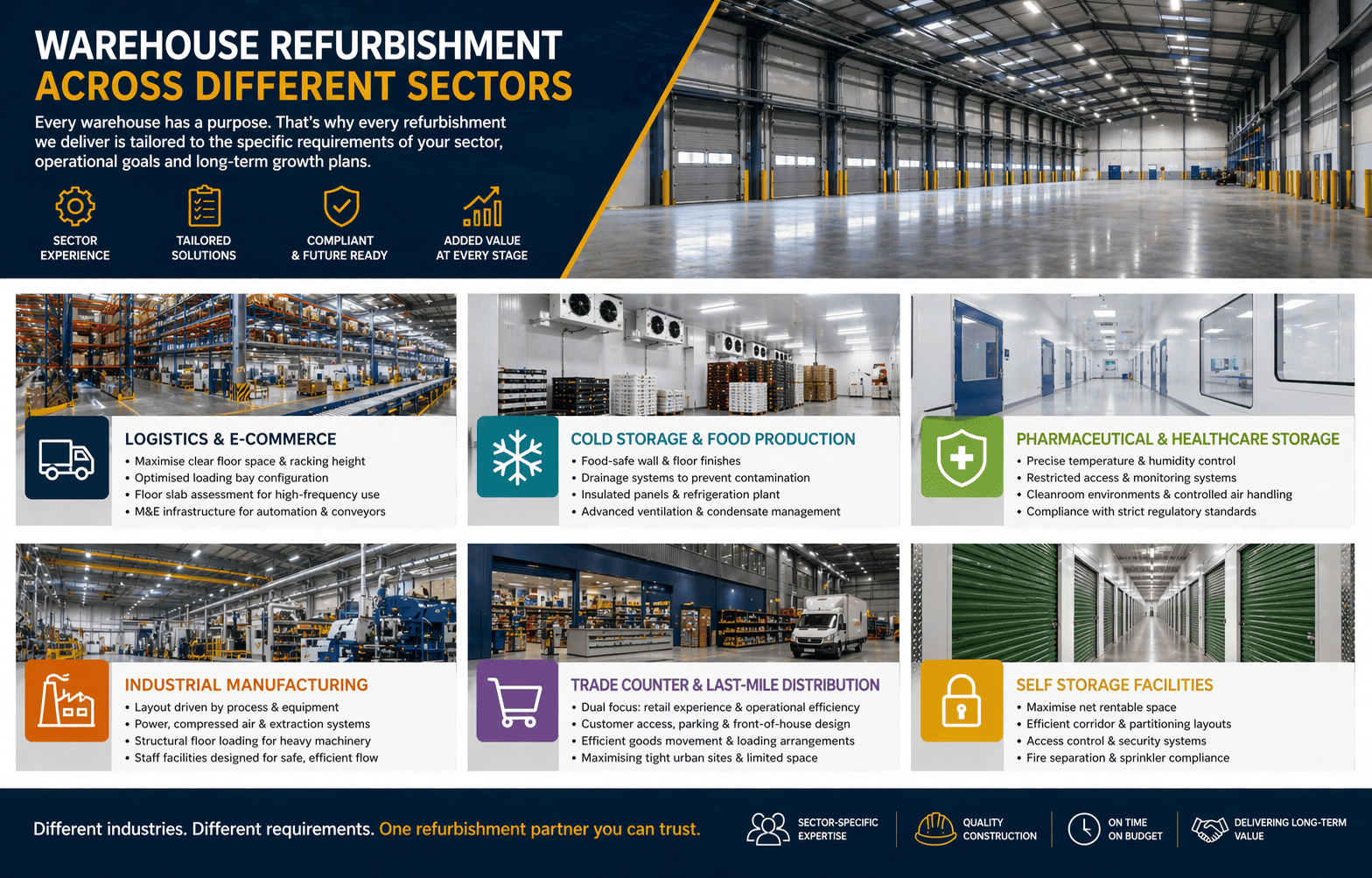
Logistics and E-Commerce

Speed and throughput drive everything. Floor slab specification, eaves height, loading bay configuration and power supply for automated picking systems are the critical design decisions. High-frequency forklift traffic and heavy racking loads demand a slab engineered from the start. LED lighting to the correct lux levels for picking operations and fast, reliable access control are standard requirements on every logistics facility we deliver.

Manufacturing

Manufacturing facilities are built around the process. Equipment positioning, power supply capacity, compressed air, dust or fume extraction and ventilation, and structural floor loading for heavy plant all need to be resolved before structural design begins. Staff welfare provision is more extensive than in pure storage environments and must be integrated into the layout without conflicting with the production area.

Food Production and Cold Storage

Wall and floor finishes need to be smooth, impervious and cleanable to food safety standards. Drainage must handle wash-down without risk of contamination. Cold rooms and temperature-controlled zones require specialist insulated panel systems, refrigeration plant and careful condensation management. The M&E specification runs considerably higher than a standard ambient warehouse, and the ventilation design is more complex throughout.

Pharmaceutical and Healthcare Storage

Temperature and humidity control needs to be precise and reliably documented. Access control is more stringent with clear audit trails required. Cleanroom environments involve specialist wall, floor and ceiling systems with carefully managed air handling. Getting the M&E specification right is not optional — it directly affects the operator's ability to maintain regulatory compliance and their ability to operate at all.

Trade Counter and Last-Mile Urban Logistics

These facilities have a customer-facing dimension most industrial buildings don't. Front of house needs to work commercially, while back of house operates efficiently as a logistics environment. Balancing both within a single building, often on a constrained urban site across Greater London, requires specific experience with the format that goes beyond standard industrial construction.

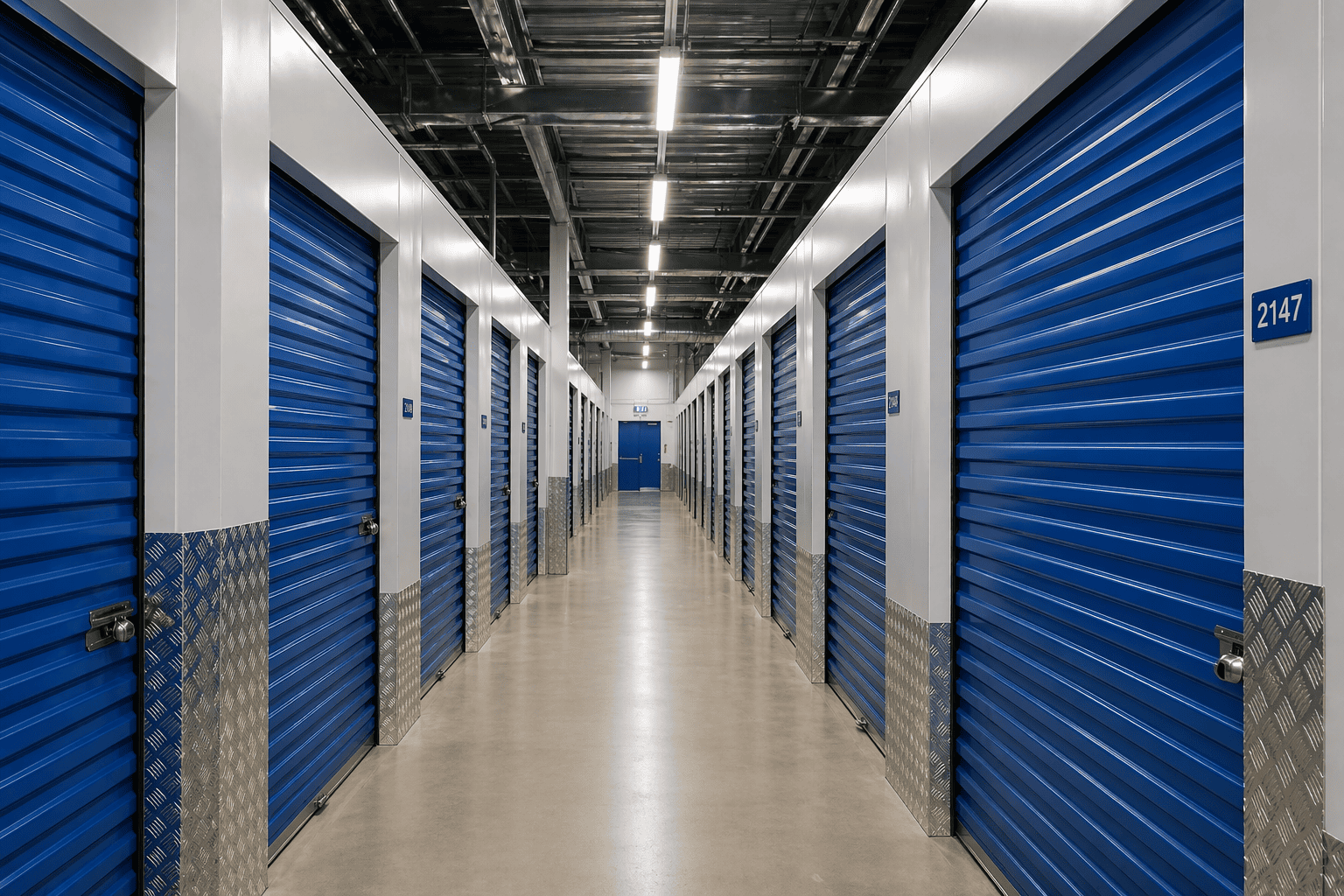
Self Storage

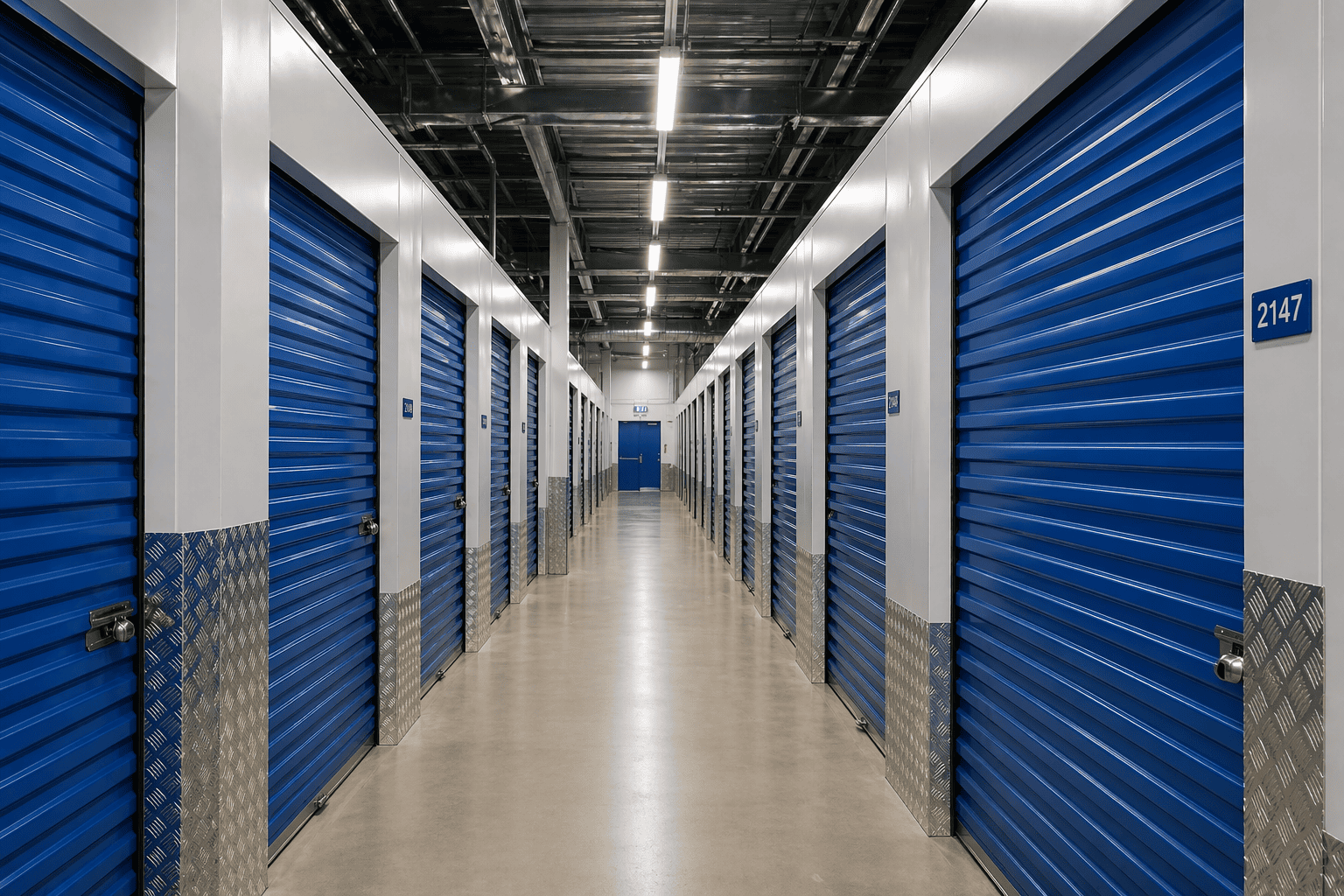
Converting warehouse space into self-storage is about maximising net lettable area, installing efficient corridors, partitioning layouts, and fitting the access control and security systems the operation requires. Fire compartmentation and sprinkler systems are significant design considerations. Warehouse Construction Contractors has direct experience in this sector through our dedicated self-storage construction work and understands exactly what a conversion or new build facility needs to deliver commercially.

Why Work With Warehouse Construction Contractors

There are plenty of construction companies in London and the South East who will tell you they build industrial warehouses. Here's what makes working with Warehouse Construction Contractors different.

We Specialise in Industrial and Warehouse Construction

This is what we do. Not one of several services we offer — our core focus. That specialisation shows up in the quality of our early advice, the accuracy of our cost plans and the performance of the finished building.

One Team From Start to Finish

The people you meet at the start of the project are the people who deliver it. No handoffs between a sales team that wins the work and a delivery team that's never met you. That continuity means the things you told us at the beginning are still understood and acted on at the end.

Honest Cost Advice

We give real cost guidance based on the actual site and actual build requirements from day one. We don't provide low figures to win the instruction and manage the bad news later. If a project isn't viable within your budget, we say so early rather than letting you spend money on design and planning before the truth becomes unavoidable.

We Manage the Whole Process

Planning consultants, structural engineers, M&E consultants, groundwork contractors, steel erectors, cladding specialists and fit-out trades are all coordinated under one programme and one point of responsibility. You don't need to manage the interfaces between them. We do.

We're Straightforward to Work With

We say what we mean, we do what we say and when something goes wrong, we tell you immediately and explain what we're doing about it. Construction projects involve problems. The difference between a good contractor and a poor one isn't whether problems occur — it's how they're handled when they do.

We Know London and the South East

We work across London, Essex, Kent, Surrey, Hertfordshire, Berkshire and Hampshire. We know the planning authorities, ground conditions, and supply chains in this region. We're on the ground and accessible throughout every project we deliver.

If you're planning an industrial warehouse project and want a straightforward conversation about what's involved and what it's likely to cost, get in touch. A site visit costs nothing and gives both sides a much clearer picture than any amount of emails back and forth.

FAQ

How long does an industrial construction project take?

-

The duration depends on factors such as the size of the facility, complexity of the design, and regulatory approvals. On average, projects can take a few months to over a year.

Do you offer customized industrial construction solutions?

-

Yes, we specialize in tailor-made industrial buildings designed to meet your business’s unique operational needs and industry standards.

What materials do you use for industrial construction?

-

We use high-quality materials such as reinforced concrete, steel frameworks, and energy-efficient insulation to ensure durability and sustainability.

Can you refurbish an existing industrial building instead of constructing a new one?

-

Absolutely! Our industrial building refurbishment services help modernize and optimize existing facilities, making them more efficient and cost-effective.

How do I get started with my industrial construction project?

-

Contact us for a consultation. Our team will assess your needs, provide expert guidance, and help you plan your industrial construction project efficiently.

How do I know if my site is viable for industrial warehouse construction?

-

The honest answer is that most sites have some viability, the question is what can be built on them and at what cost. Ground conditions, power supply, planning constraints, access and the size and shape of the plot all affect what's achievable. Warehouse Construction Contractors conducts a feasibility assessment at the start of every project to answer this question before any significant money is spent.

Let’s get
started

Would you like to learn more about how we can help you with your next residential or commercial project, fill in your details and a member of our team will be in touch.

This site is protected by reCAPTCHA and the Google Privacy Policy and Terms of Service apply.

Latest From the Blog

industrial-warehouse-construction1.png
Brownfield vs Greenfield: Which Is Right for Your Industrial Warehouse Project?

In choosing a site, every other element of the project is set, including the cost of acquisition, the time required to complete the project, planning risks, and ultimately, the structure you will create. If the choice is incorrect, the rest of the project will be spent recovering from an error in judgment that was made within days of commencing...

Read Full Story »
warehouse-refurbishment-contractor2.png
How Long Does a Warehouse Refurbishment Take?

Warehouse Refurbishment Timeframes How long will a warehouse refurbishment take? It is probably one of the first questions our clients ask, and one we find most difficult to answer, especially given the many possible scenarios related to the project. So, as a genuine answer, a cosmetic refurbishment (i.e. decorative/co..

Read Full Story »