Warehouse Construction Buckinghamshire

Rather than simply building industrial buildings, we help businesses create warehouses that genuinely work for their operations. From distribution hubs along the M40 corridor to manufacturing facilities, trade parks, logistics centres and commercial storage buildings, Warehouse Construction Contractors delivers warehouse construction projects throughout Buckinghamshire. Whether you're developing a new warehouse, extending an existing facility or refurbishing an ageing industrial unit, we manage the project from the earliest planning stages through to completion.

Warehouse Construction Buckinghamshire

Warehouse Construction Across Buckinghamshire

Unlike some neighbouring areas, Buckinghamshire’s industrial sites are spread across several key centres instead of being focused in one place. High Wycombe, in the south, has a strong industrial background and plenty of manufacturing and distribution space near the M40. Aylesbury, in the centre, has been growing steadily, with new industrial and logistics projects supporting the town’s expansion. Milton Keynes, in the north, stands out as the area’s main hub for logistics and distribution, with large warehouses along the M1 corridor.
The M40 runs through the south of Buckinghamshire, connecting High Wycombe to London on one side and to Oxford, Birmingham, and the Midlands on the other. The A41 passes through Aylesbury, linking the centre of the county to Hemel Hempstead and the M25. The M1 is to the east and serves Milton Keynes. The A413 and A421 are also key roads, connecting Buckinghamshire’s towns to each other and to the wider motorway network.
Buckinghamshire’s industrial character comes from its mix of established centres and ongoing growth. High Wycombe has existing industrial sites and good motorway access. Aylesbury and the wider Aylesbury Vale are expanding, with new developments supported by infrastructure projects like East West Rail. Milton Keynes offers large-scale logistics facilities. For businesses, choosing the right location depends on which part of the county fits their needs, so understanding these differences is key to a successful project.
industrial-warehouse-construction2.png

Warehouse Construction Services

New Build Warehouses

Before we build a new warehouse, we look at the site first. We check the ground, see how you can get in and out, and look at what services are already there. We also think about anything that could affect the design or timing. In Buckinghamshire, this is even more important because planning rules for areas such as the Green Belt or the Chilterns National Landscape can limit what we can do on certain sites.
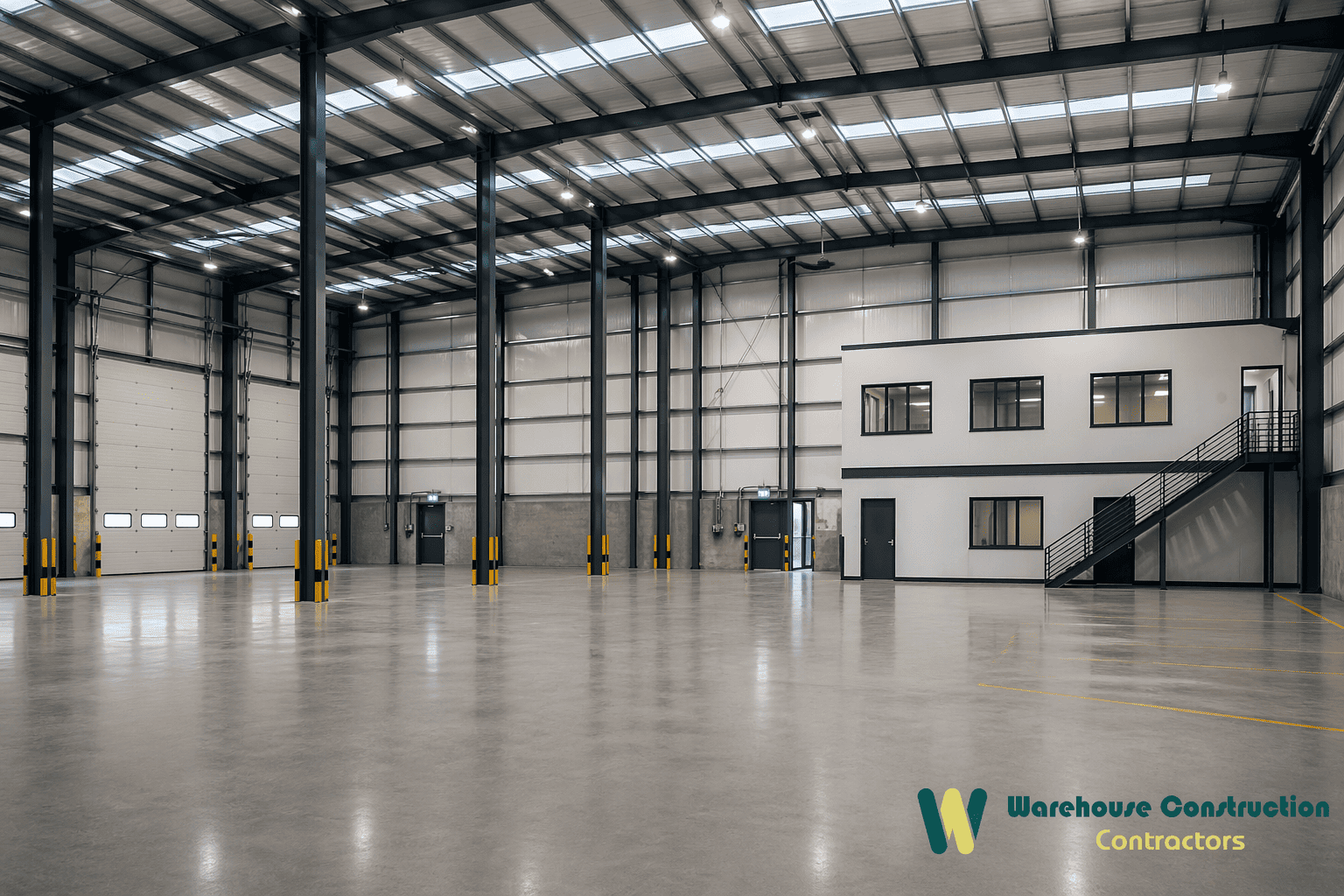
Once we know the project can go ahead and planning is sorted, we move on to the detailed design and cost plan. Here, we look at the size of the steel frame, what kind of floor slab you need for your racking and vehicles, how high the eaves should be, and how to lay out the yards, parking, and access. Most UK warehouses use a steel portal frame with a concrete slab, so we start with that and then tweak it to suit your needs.
We build in a set order: groundworks first, then the frame, then the outer shell, and finally the fit-out and outside works. You have one team and one main contact running the whole job, so you do not have to chase different contractors or deal with problems being passed around. In Buckinghamshire, where sites are often close to homes or in busy areas, good site management and planning keep things running smoothly.

Distribution Centres

Distribution centres need more than a standard industrial unit, and fixing mistakes later can be expensive. High-bay storage is often a big part of the design, so we set the eaves height and grid to fit your racking and equipment. We talk with you and your racking or logistics consultant early on, so we can start with the framing and floor work for your operation.
Dock levellers and loading bays need to fit your vehicles and the amount you move through the site. The number, type, and location of dock doors shape the yard layout, traffic flow, and the speed at which vehicles can load and unload. We plan the service yard with all this in mind, making sure there is enough space for turning, parking, and queuing so the site works well from day one.
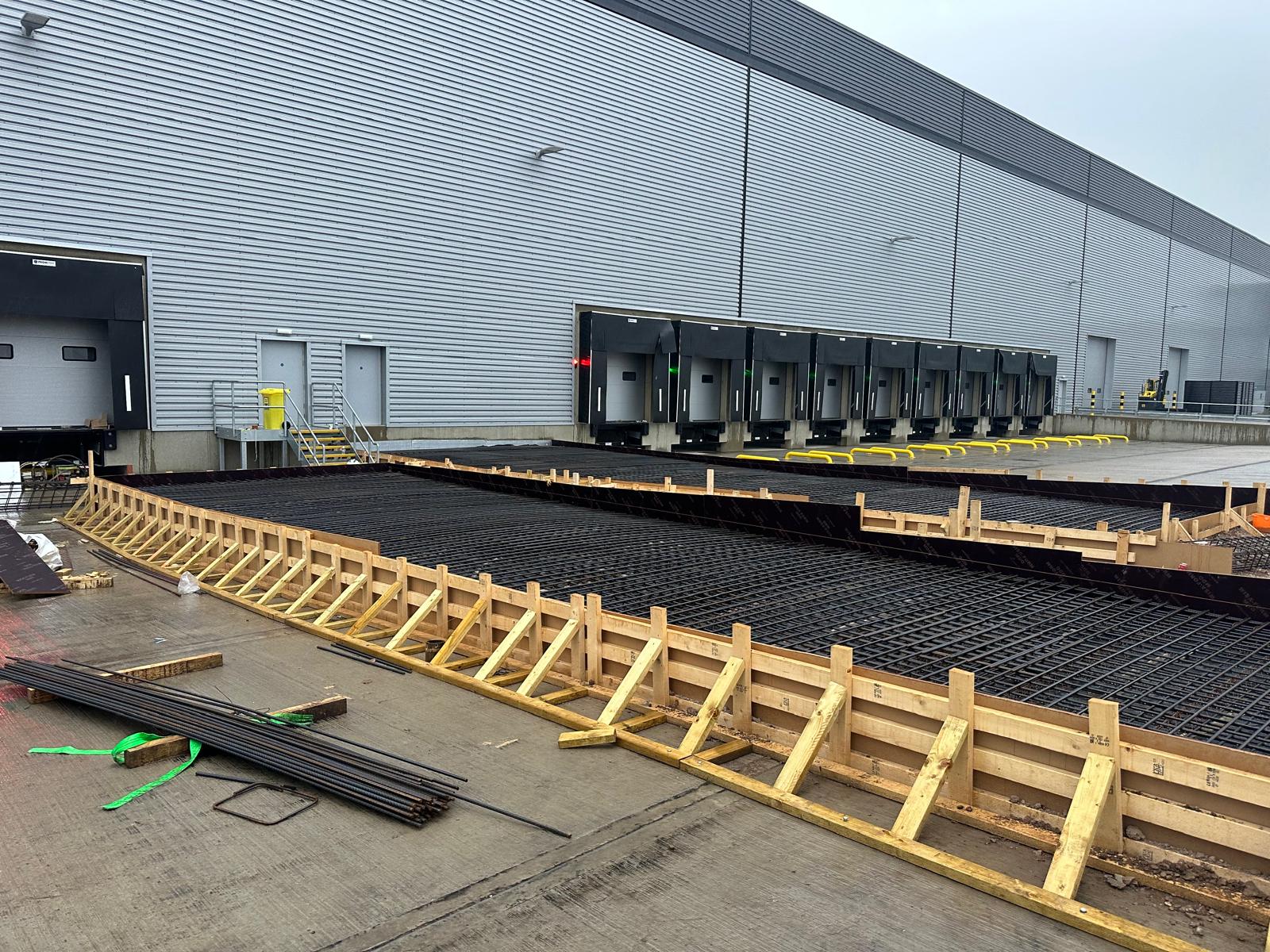
The floor slab is another way in which distribution centres differ from general storage buildings. Heavy racking and the need for very flat floors for narrow-aisle equipment mean we have to get the slab design right from the start. We plan and schedule the concrete work carefully, because making the slab flat and letting it cure properly is just as important as putting up the steel frame.
warehouse-refurbishment-contractors4.png

Logistics Facilities

Logistics facilities encompass a range of operations, such as cross-docking hubs, parcel sorting centres, and e-commerce fulfilment units. Each one has different design needs. For instance, cross-docking requires buildings that allow goods to move quickly, with doors and yards arranged to keep travel distances between vehicles short. We design the yard and dock layout from the beginning to support this flow, so there’s no need for changes after construction.
E-commerce and parcel hubs have specific requirements. They usually combine warehouse space with extra mezzanine or first-floor picking areas, ample power and data for conveyor systems, sorting equipment, and automation. By making sure the structure, floor strength, and service routes are right from the start, we help avoid costly changes later when the operator sets up the space.
Automation is now common in these projects, with systems like automated storage and retrieval, conveyor networks, and robotic picking. These setups need very flat floors, precise structures, reliable power,, and sometimes special foundations for fixed equipment. We work with automation suppliers during design to make sure the building is ready for their equipment, so changes are not needed later.

Manufacturing Facilities

Manufacturing buildings are built like warehouses, with steel frames, concrete slabs, and open layouts, but the details differ. Production and assembly usually require more power, specialised drainage, separate areas for each manufacturing stage, and floors that fit the equipment and materials used.
We make sure to understand your process before we design the building. This means planning for one runway if you need to move heavy parts, ensuring good ventilation and extraction, and mapping out how materials and finished goods move through the site. Buckinghamshire, especially near High Wycombe, has a strong manufacturing tradition. When a building combines manufacturing with storage or distribution, careful planning makes sure each part gets the right space and features without interfering with the others.

Warehouse Extensions

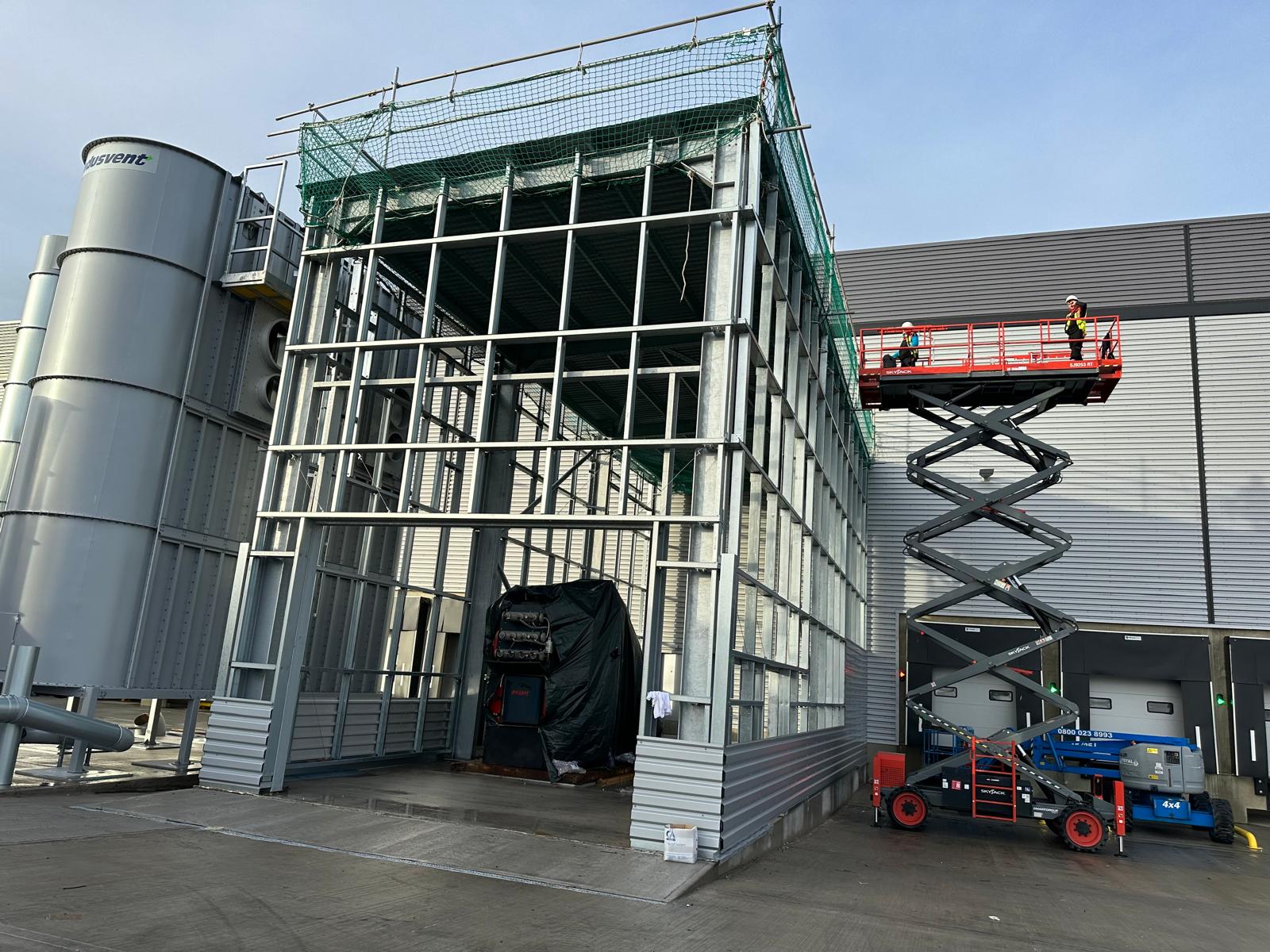
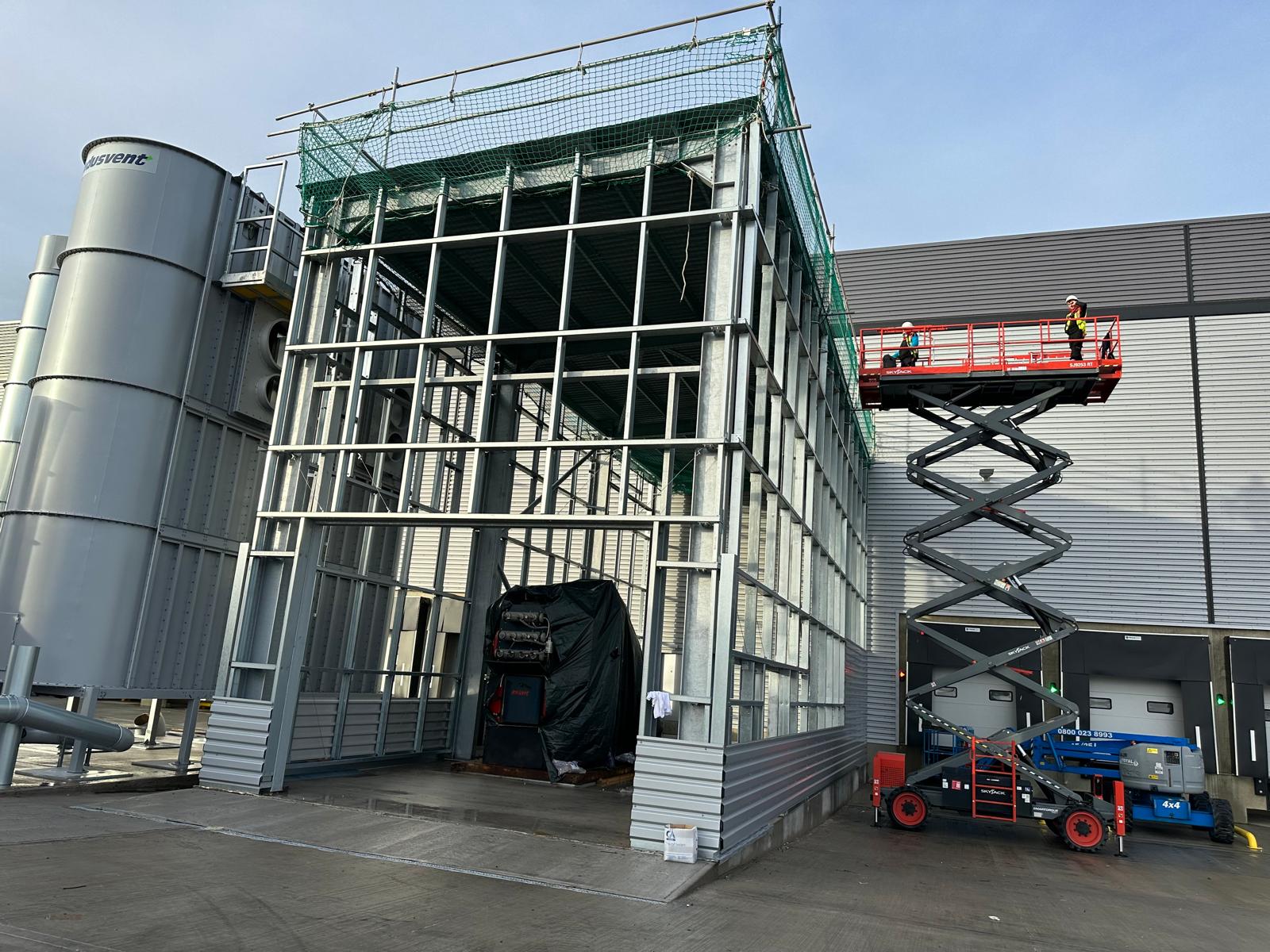
Adding space to a warehouse is not just about building out. The new extension must connect properly to the existing structure, match the cladding and roofing, and fit with the drainage, services, and access already on site. We always begin by checking what the existing building can handle and by planning the extension so it connects safely.
Keeping the warehouse running during the build is usually the main concern. Most of the time, the warehouse stays open while work goes on. We plan the work in stages, use temporary weatherproofing at the join, and organise site traffic so it does not impede daily operations.
It is not only about making the extension look right. Roof angles, eaves height, structure, and cladding all need to line up so the new part integrates with the old. On tight sites in Buckinghamshire, especially near towns, getting this right is what stops problems later.

Warehouse Refurbishments

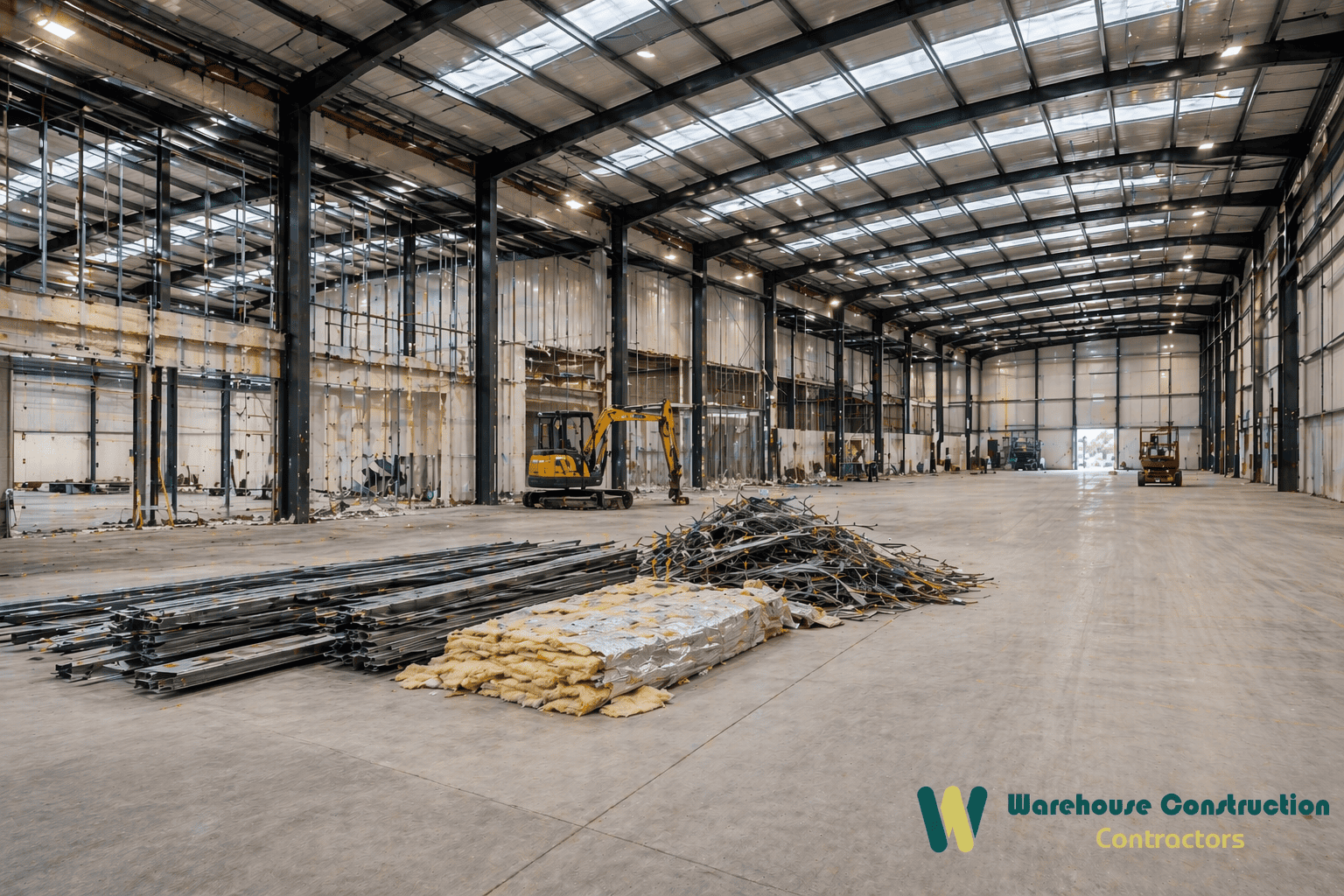
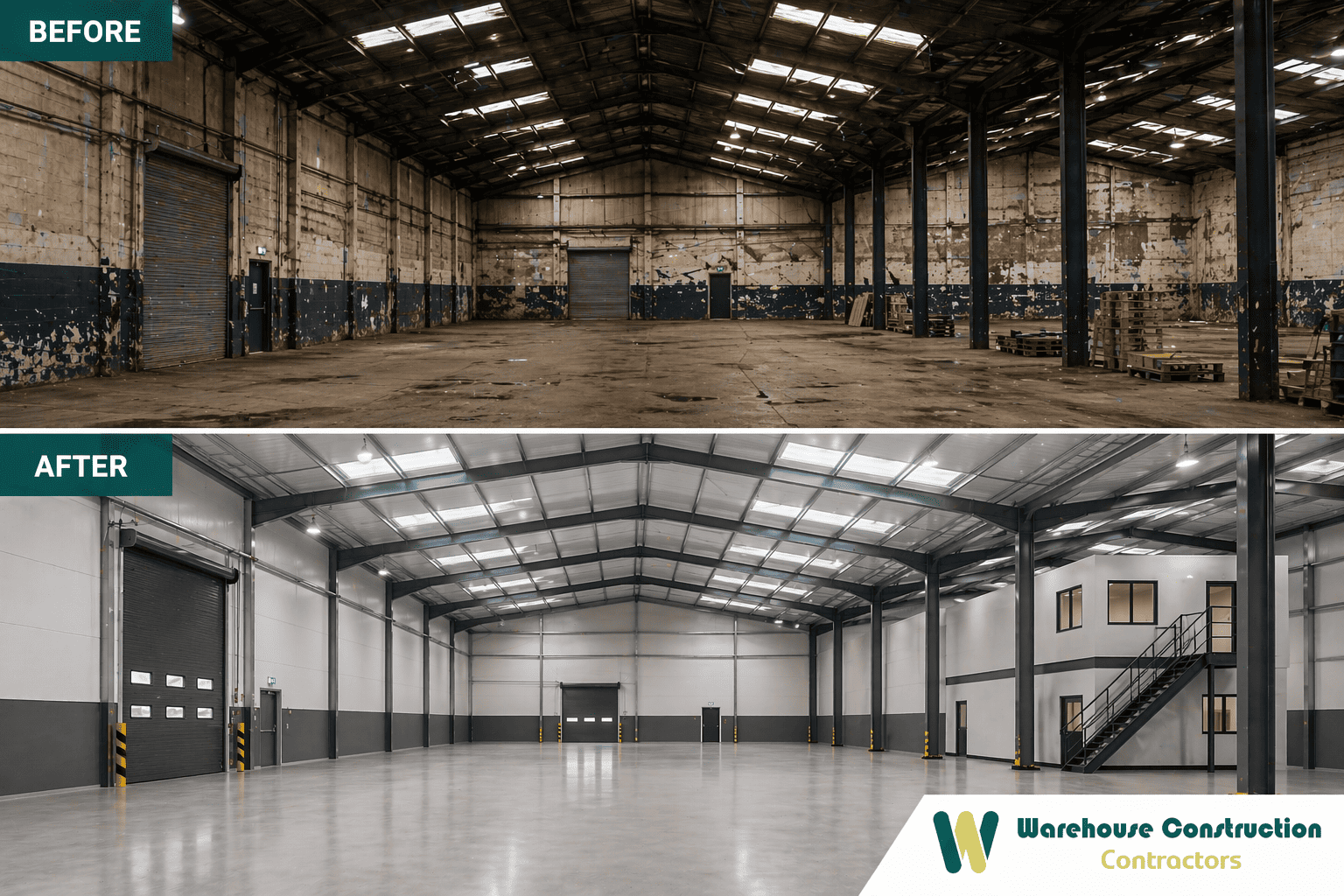
Most of the warehouse projects we do in Buckinghamshire are in existing buildings, not on new sites. This is common because many industrial buildings here are older, especially near High Wycombe. Refurbishment can mean anything from small repairs to a full rebuild of roofs, floors, cladding, M&E systems, and offices.
We usually start with roofs and cladding, especially on older buildings where insulation, weatherproofing, and fire safety are outdated. Floors might need repairs, a new layer, or full replacement, depending on their condition and the building's intended use. M&E systems are often too small or worn out, so we often need to upgrade them before a new tenant can move in.
Upgrading offices inside industrial buildings is common, whether it is a basic Cat A or a more finished Cat B fit-out. This is often needed when preparing a building for a new tenant. Our sister company, Strip Out Company, handles soft stripping and demolition, including surveys and waste removal, so the site is ready before we start the main refurbishment.
warehouse-refurbishment-contractors3.png

Design & Build

Our design and build service covers your project from the initial idea to the completed building. We start by understanding your needs, then create a design that matches your requirements, budget, and schedule.
Planning is included in our process. Buckinghamshire is managed by Buckinghamshire Council, covering Aylesbury Vale, Chiltern, South Bucks, and Wycombe, while Milton Keynes is managed separately. During design, we handle all planning needs for your site, including compliance with the Green Belt or Chilterns National Landscape rules, if required. We ensure Building Regulations are met from the start.
We plan costs alongside the design, so you always have a clear idea of your project's price before making decisions. Rather than designing first and cutting costs later, we work within your budget from the start and keep you informed of any changes. Once the design and budget are agreed, our team manages construction from start to finish, whether it is a new build or a refurbishment.
warehouse-refurbishment-contractors1.png

Sectors We Build For

Manufacturing & Engineering

Manufacturing and engineering in Buckinghamshire, especially near High Wycombe, now focus on precision and advanced production. These businesses need buildings with higher power capacity, specialist services, and floors capable of handling heavy equipment. We plan for these needs from the beginning.

Technology & Film

Technology and data centres are expanding in the north, especially near Milton Keynes. The south is close to the film and studio cluster. Both sectors need buildings where services, power, and resilience matter as much as floor space. We deliver facilities where M&E requirements are central to the design.

Food & Beverage

Food and beverage businesses in Buckinghamshire include manufacturing, packaging, cold storage, and distribution. Cold storage requires proper insulation, floor design, and refrigeration systems that differ from those of standard warehouses. We design these buildings to match the real demands of cold and chilled operations.

E-commerce & Logistics

Logistics is growing in the Milton Keynes, M1, and M40 corridors. Buckinghamshire is a strong base for fulfilment and distribution. These sites need large, clear-span warehouses, many docks, and yards designed for heavy vehicle traffic. We design buildings and sites to match how goods and vehicles move in practice.

Trade Counter Operators

Builders' merchants, electrical wholesalers, and plumbing suppliers need warehouse storage, trade counter space, and yards where customers can load materials next to delivery vehicles. Ongoing growth in Aylesbury and Milton Keynes keeps demand for these facilities steady.

Self Storage

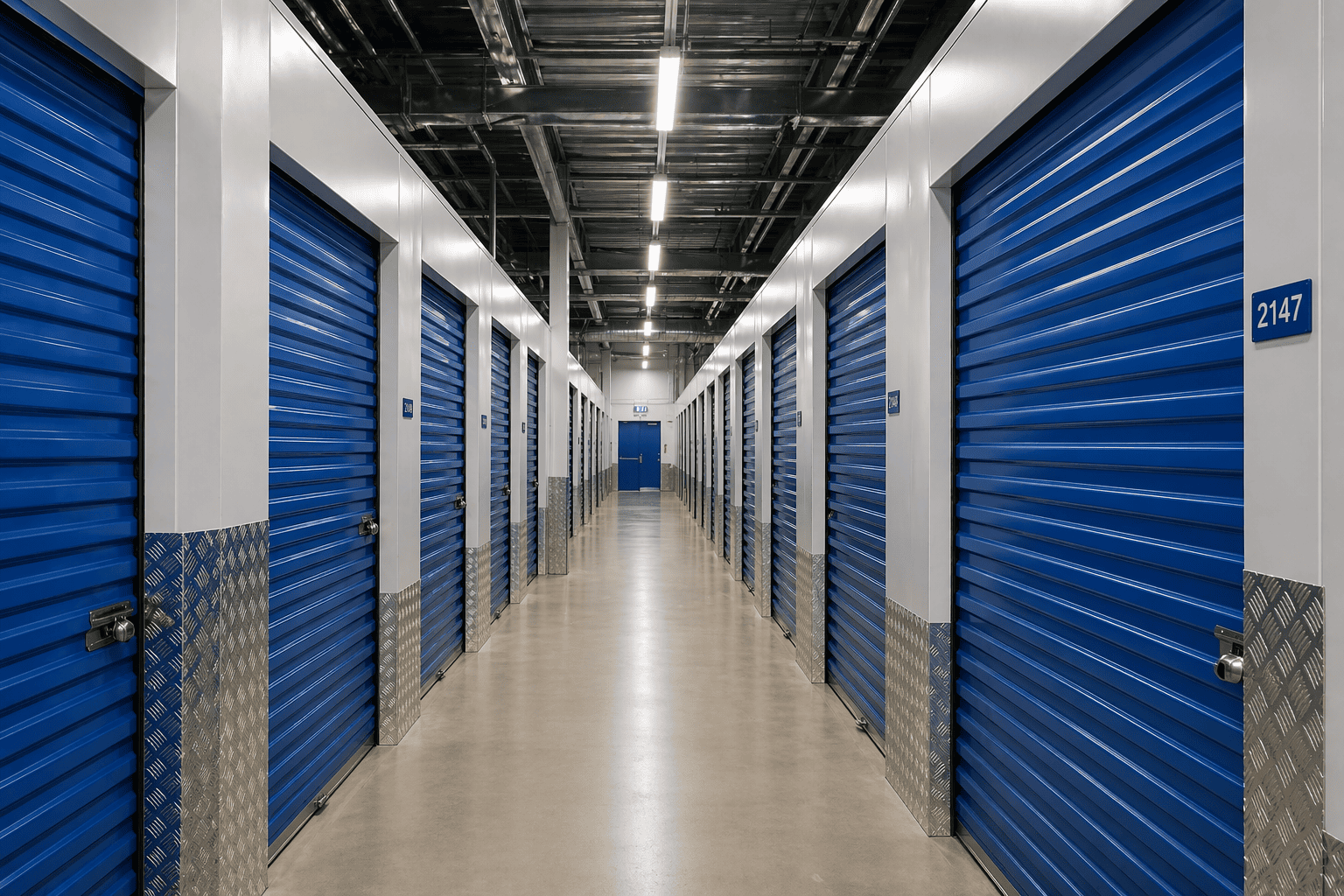
Self-storage continues to grow in Buckinghamshire, driven by population growth and new housing. We have delivered both new self-storage buildings and conversions, with a focus on internal layout, fire safety, and access.

Why Buckinghamshire?

Buckinghamshire is well-placed for access in several directions. The M40 links the south of the county to London, Oxford, Birmingham, and the Midlands. The M1, which serves Milton Keynes, provides routes north and connects to the national distribution network. The M25 is also accessible via the A41 and the M40, making it easy to reach areas around London and the wider South East. For businesses serving both London and the Midlands, the county offers a practical central location.
New infrastructure investments are making a difference, especially in the central and northern parts of the county. East West Rail is improving connections through Aylesbury and along the Oxford-Milton Keynes-Cambridge corridor. Over time, this supports more industrial and logistics investment in these growing areas. Milton Keynes is also growing as one of the country’s main logistics hubs.
Industrial demand in Buckinghamshire comes from both established centres and new growth areas. High Wycombe has existing properties and good motorway links in the south. Aylesbury and the Vale are seeing new developments. Milton Keynes offers large-scale space in the north. Land availability and planning rules differ across these areas, so it’s important to understand the local situation when planning a project.
warehouse-extension-uk2.jpeg

How We Deliver Warehouse Projects

Site appraisal – First, we look at the site: ground conditions, access, existing buildings, services, and any clear constraints. This way, we start with facts, not guesses.
Feasibility – Next, we figure out what can actually be done on the site. We look at massing, access, parking, and yard space, and check how these fit with your needs and budget.
Planning – We handle the planning application and meet the council’s requirements, whether in Buckinghamshire or Milton Keynes. We sort out highways, drainage, the Green Belt, and any environmental issues.
Design – We turn the agreed plan into a detailed, buildable design. This covers the structure, building envelope, services, and outside works.
Groundworks – We prepare the site, lay foundations, and install drainage to get the ground ready for the frame and slab.
Steel frame – We set up the structural frame, which defines the building’s shape, spans, and eave height.
Envelope – Roofing and cladding have been installed, making the building weathertight and ready for the interior work. Office areas, fire protection and racking infrastructure are completed.
External works – We complete the yards, access roads, drainage, parking, and landscaping to finish the site.
Handover – We hand over the finished building, along with all the documents, certificates, and as-built information.
 
warehouse-extension-contractors-uk4.jpeg

Our Construction Capabilities

The company provides a comprehensive range of services required to deliver warehouse projects from inception to completion, including:
  • Steel frame erection
  • Reinforced concrete (RC) works
  • Groundworks and foundations
  • Cladding installation
  • Roofing
  • Office fit-out within industrial buildings
  • Loading dock and dock leveller installation
  • Service yards and external works
  • Drainage
  • Mezzanine floor installation
  • Fire protection systems
  • Warehouse flooring, including high-specification slabs designed for racking and equipment loads
By integrating these capabilities within a single team, the company can efficiently sequence activities and respond to project changes without delays associated with coordinating multiple specialist contractors.

FAQ

How much does warehouse construction cost?

-

Costs vary significantly depending on size, specification, location and ground conditions, so there's no single figure that applies to every project. The best way to get an accurate cost is a site visit and initial discussion about your requirements, which we provide free of charge.

How long does a warehouse take to build?

-

Programme length depends on the size and complexity of the building, and whether planning permission is required. As a general guide, a straightforward new-build unit typically takes several months from groundworks to handover, with planning and design adding time before construction begins.

Do you undertake design and build?

-

Yes. We manage projects from initial concept and planning through to design, construction and handover, acting as a single point of responsibility throughout.

Can you refurbish warehouses?

-

Yes. Refurbishment is a significant part of our work, covering everything from roof and cladding replacement to full internal reconfiguration and office upgrades.

Will Green Belt or the Chilterns National Landscape stop me building?

-

Not necessarily, but they do make development more difficult and the planning case more involved. New build on Green Belt or protected land faces a high bar, while extensions, refurbishments and redevelopment of existing sites are often more achievable. The honest answer depends entirely on the specific site, which is why we assess this early before you commit.

What areas do you cover?

-

We carry out warehouse construction and refurbishment projects across Buckinghamshire, including High Wycombe, Aylesbury, Milton Keynes, Buckingham, Marlow, Beaconsfield, Amersham, Chesham, Princes Risborough, Gerrards Cross, Olney and Winslow, as well as the surrounding areas and the wider M40 and M1 corridors.

Let’s get
started

Would you like to learn more about how we can help you with your next residential or commercial project, fill in your details and a member of our team will be in touch.

This site is protected by reCAPTCHA and the Google Privacy Policy and Terms of Service apply.

Latest From the Blog

warehouse-construction-builders1.png
What Does a Warehouse Strip-Out Involve?

A strip-out is the first phase of most warehouse refurbishment, redevelopment and end-of-lease projects, and it sets up everything that follows. Get it right and the building hands over clean, safe and ready for the next stage. Get it wrong, and the problems carry thro..

Read Full Story »
industrial-warehouse-construction1.png
Brownfield vs Greenfield: Which Is Right for Your Industrial Warehouse Project?

In choosing a site, every other element of the project is set, including the cost of acquisition, the time required to complete the project, planning risks, and ultimately, the structure you will create. If the choice is incorrect, the rest of the project will be spent recovering from an error in judgment that was made within days of commencing...

Read Full Story »