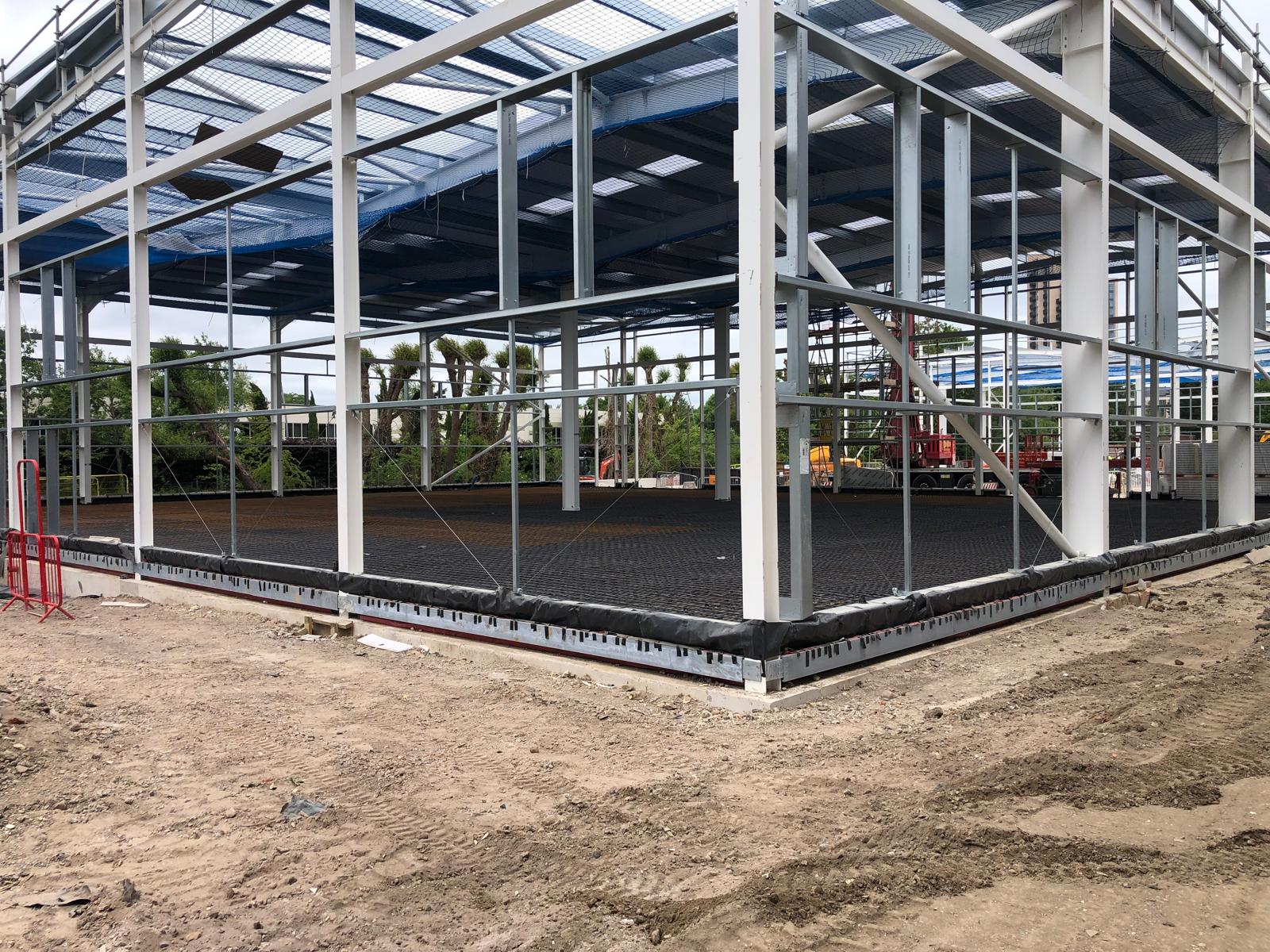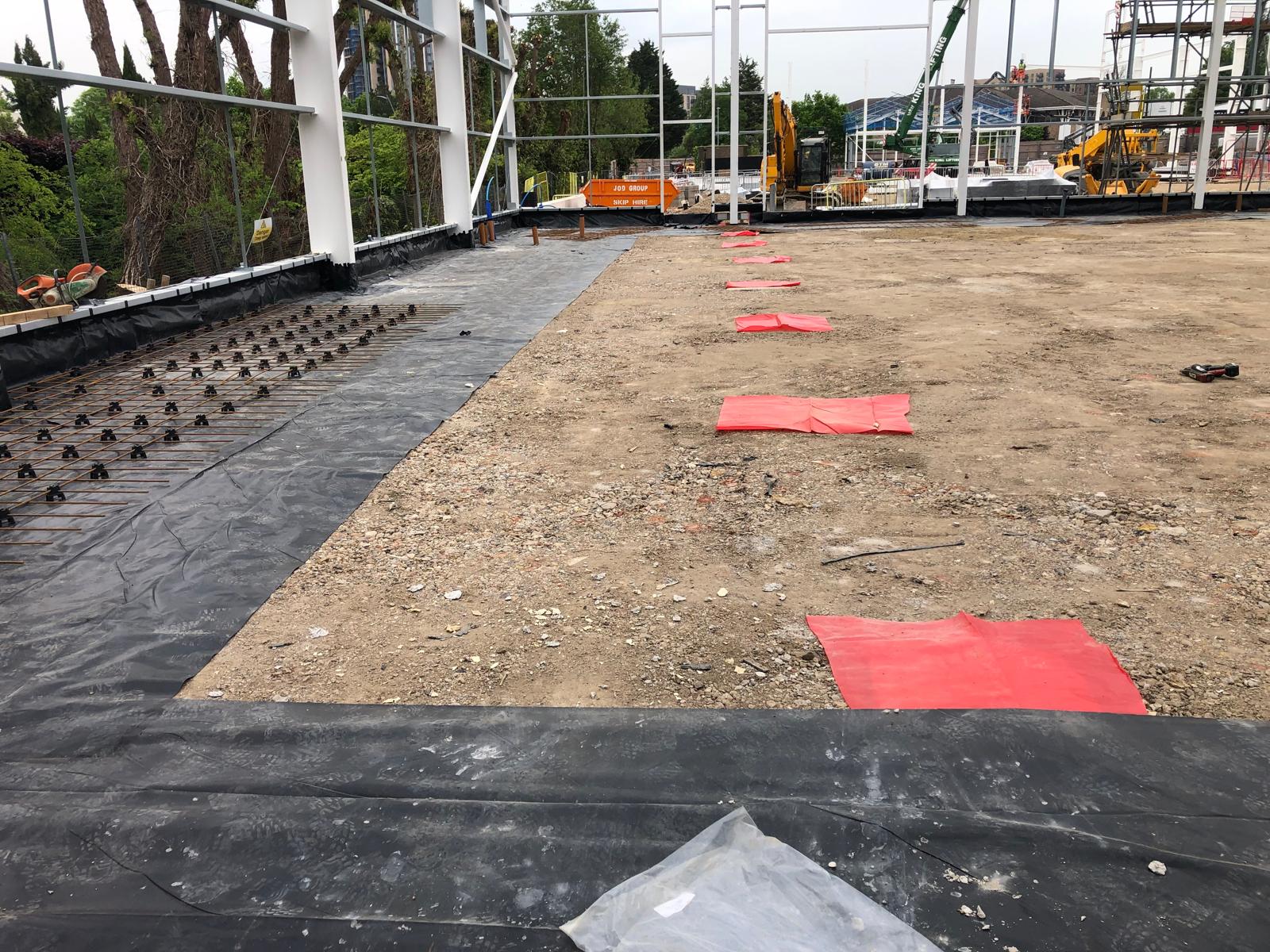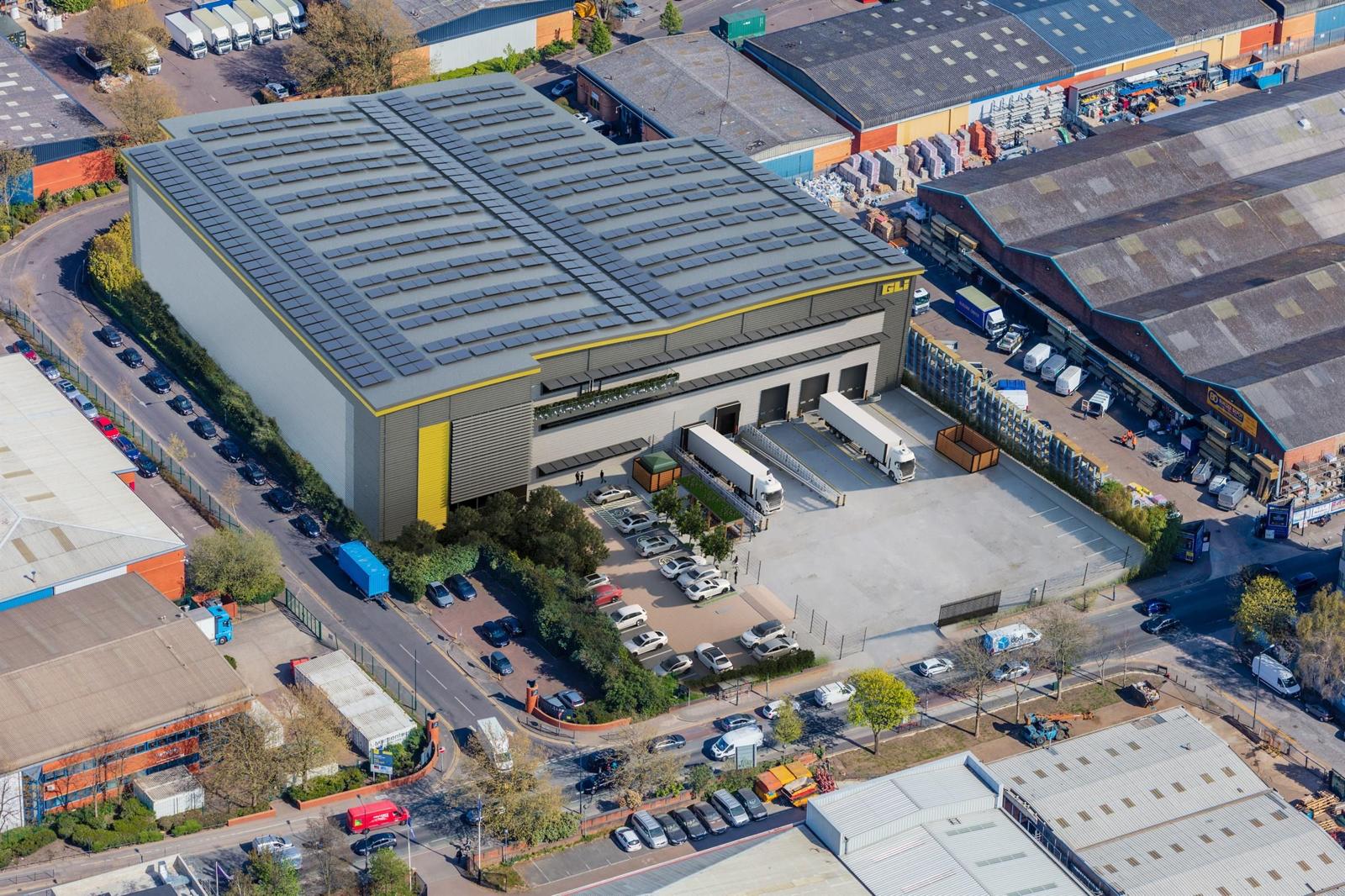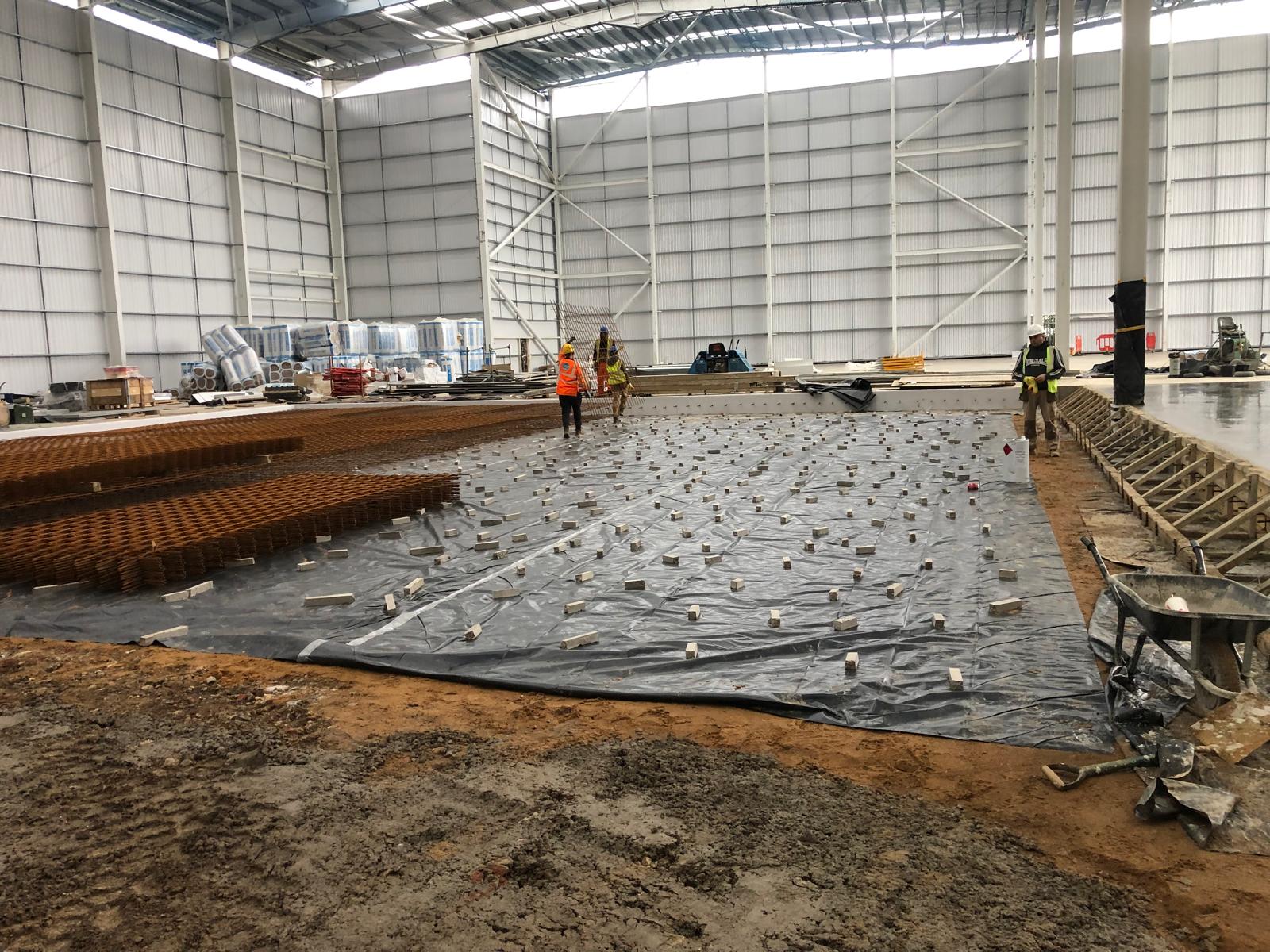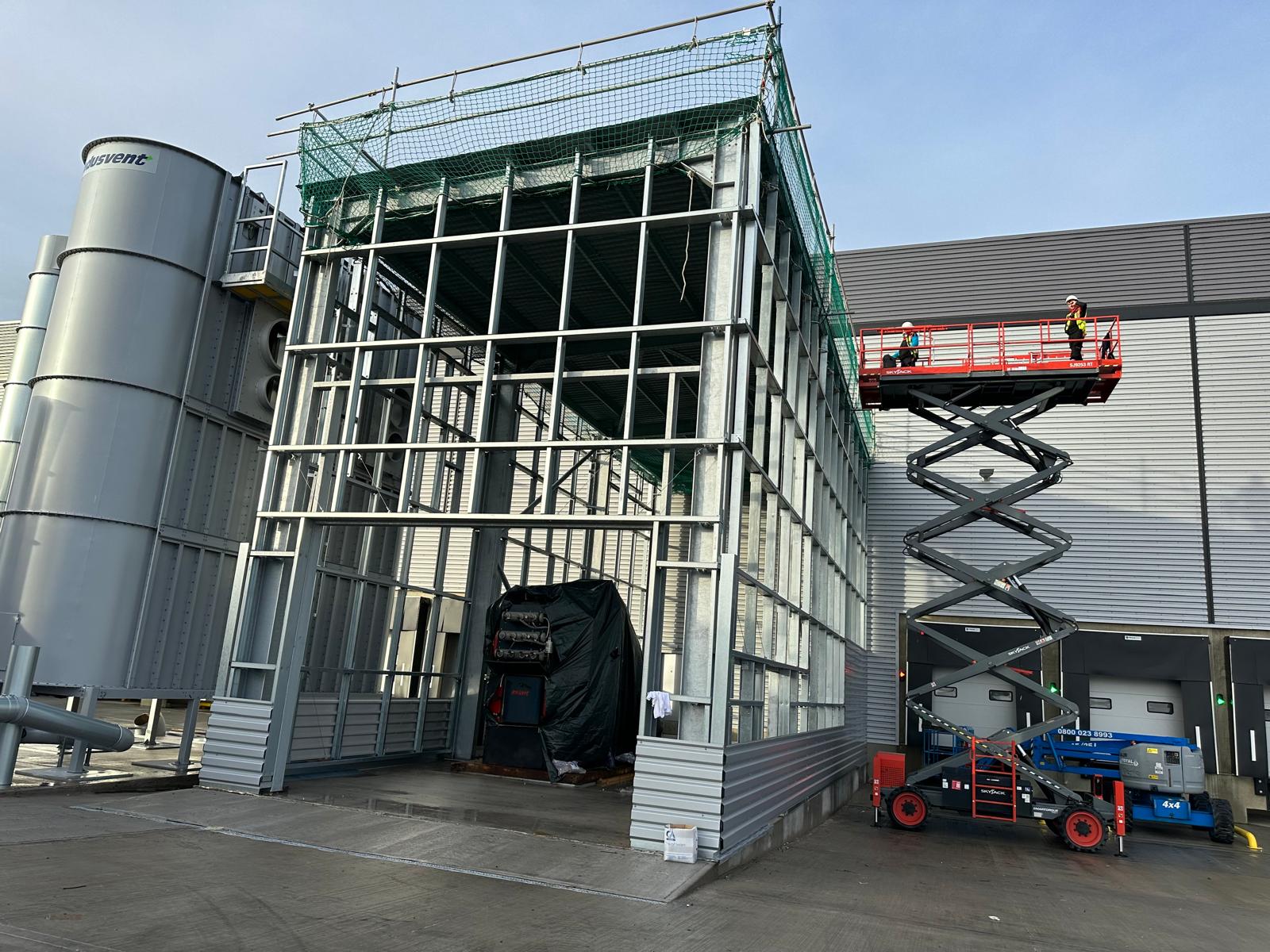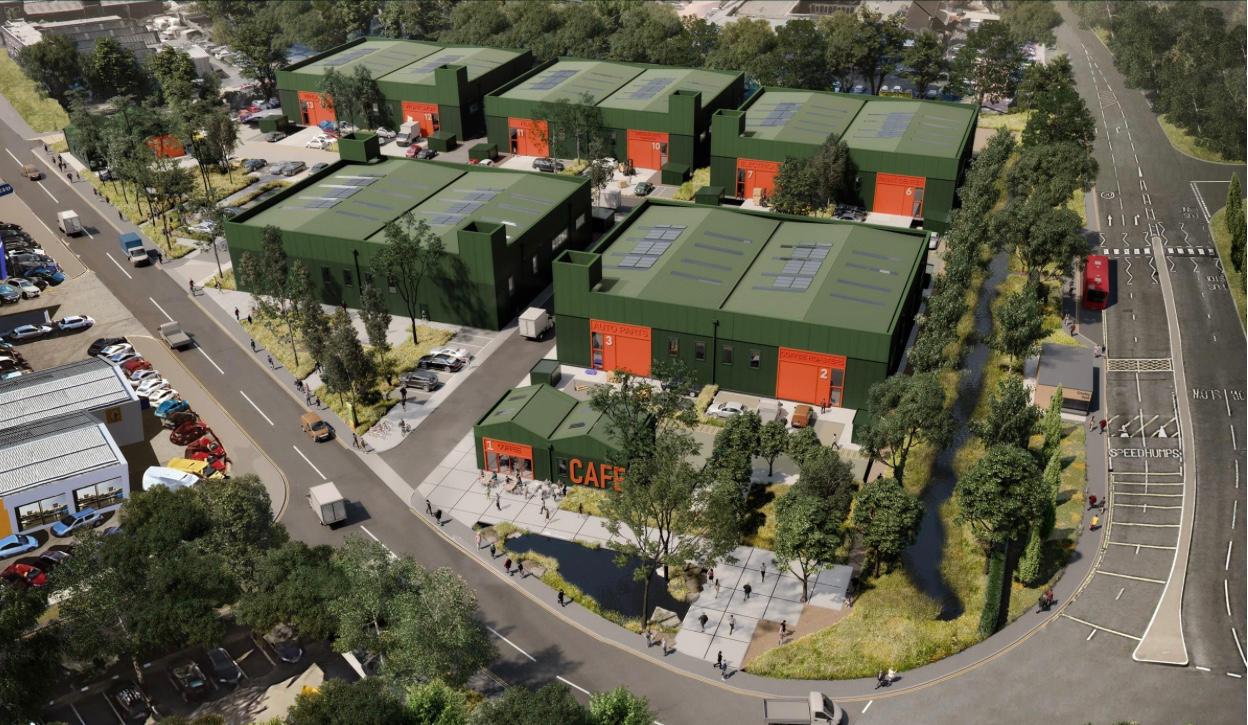
Much of Essex's infrastructure has been developed for use in ports, and therefore, much of our development style as well. We are at the beginning of the supply chain from the port-based (deep sea) container terminals down to the manufacturing estates inland; Warehouse Construction Contractors provides the warehouse construction, which enables this supply chain by constructing warehouse/distribution centre/logistics facility/production plant/storage buildings for all aspects of the supply chain. We manage each project from initial site visit through to handing over the completed project. Whether it be a new warehouse being constructed adjacent to an estuary port, extending an existing operational footprint or converting an old, redundant building into a usable warehouse facility, we will complete your entire project under one company.
The majority of counties within the South East region share a common marketing strategy: their proximity to London. However, Essex offers the same proximity to London while providing an extremely rare resource: true deep-water port capability. Located on the Thames estuary are two ports: the Port of Tilbury and London Gateway, located at Stanford-le-Hope. Specifically, London Gateway is considered one of the largest and newest container ports in England and one of the largest logistics parks in the UK. Additionally, many of the items imported into Great Britain pass through these ports. As such, the warehouse space which handles these items has created a busy industrial environment throughout southern Essex.
Furthermore, there is an airport (Stansted) located in the northwest corner of the county. This airport offers significant cargo capacity, providing another unique advantage to businesses that require global shipping capabilities. Furthermore, the transportation infrastructure which supports both of these types of shipping options is interconnected; the A13 runs along the Thames corridor directly through the port areas; the A12 connects the port area to Colchester and Ipswich to the northeast; the M11 highway connects the northern part of the county to Stansted Airport and Cambridge; and the M25 highway forms the western boundary of the county. With sea freight, air freight, and highways all connected within a single country, businesses with international supply chains will find this a unique advantage.
Additionally, much of the surrounding area to the ports enjoys "Freeport" status. While it is difficult to provide detail regarding what "Freeport" entails in terms of how it functions or impacts local development activities, it was established primarily to encourage trade, stimulate investment and promote logistical activities. In addition to enjoying Freeport status, Essex has a great deal of undeveloped land available for future use. Land availability is influenced by import-driven demand rather than by population growth alone. These factors give Essex a distinctly different character from other regional areas, where development opportunities may be severely limited by market constraints. Therefore, the story told about Essex is not one of scarcity; it is instead one of opportunity and continued growth.
The Essex map shows how and where industries exist within Essex; however, there exists an imbalance as to how these industries cluster. Therefore, the areas where they do cluster indicate why those particular areas develop in such ways.
Areas surrounding the estuary (Thurrock, Tilbury, Greys, Stanford-le-Hope), including ports and docks, offer large-scale warehousing/distribution facilities for direct shipment from the vessel. These sites require a significant amount of space, generate large volumes of vehicle traffic, and offer numerous docking/berthing options. Areas surrounding the estuary are subject to the highest levels of flood risk and/or poor ground conditions.
Basildon and the South contain much of the counties manufacturing/engineering history. Manufacturing/engineering has existed in this area for many years and continues to drive demand for production/assembly-type buildings that require heavy electrical service and high floor loading.
Chelmsford and Colchester, located along the A12, form part of the centre/northeast area and house a combination of logistics/trade/light industrial uses, each supporting trade into both London and the wider East of England region.
Harlow and the M11 corridor, which includes Stansted Airport, attract operations seeking airport connectivity and proximity to the Cambridge area via a northern route.
Understanding which of these areas a development site falls within will determine all aspects of development from building layout/design through to the planning process, due to varying restrictions/opportunities associated with each.
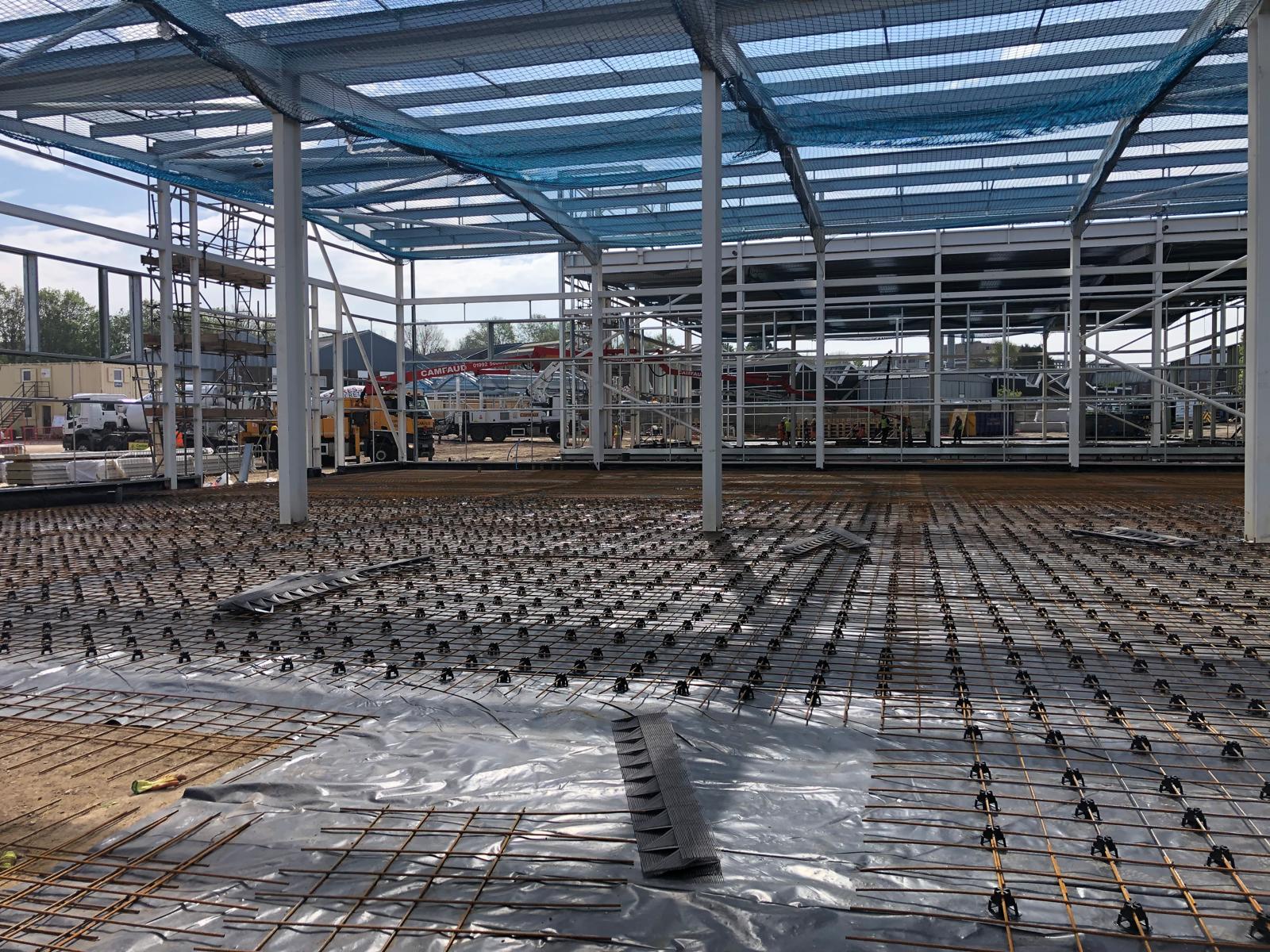
We undertake projects on all forms of industrial buildings; however, within Essex, there appear to be three predominant styles, each with distinct requirements.
Distribution and port logistics. These are the buildings Essex is well-known for. The large, clear-span warehouse has many docking provisions and yards designed for continual HGV use. In port-driven operations, throughput is the key factor. The quantity and location of dock doors, turning circles within the yard, and the flatness and loading capacity of the floor slab will determine whether an individual building can operate at maximum capacity or be bottlenecked. We will design the building based on operational needs and work closely with your racking and logistics consultant during the development phase, rather than creating a shell and hoping the operational needs can adapt.
E-commerce and fulfilment. The port's accessibility, combined with proximity to London, provides a high-volume area for e-commerce/fulfilment services. E-commerce/fulfilment warehouses feature large floor areas, substantial mezzanine picking zones, automation, and sufficient power and data to support conveyor systems and sorting. Creating the correct structural grid, floor loads, and service paths at design time will allow the operators to fit out simply and drop into place later.
Manufacturing. Manufacturing and engineering facilities around Basildon require structures that exceed those of typical sheds: higher power, process drainage, crane provisions, separate production areas, and durable floor surfaces for heavier equipment. We develop the project by first determining the required process, then designing the structure around how materials and finished products move through it.
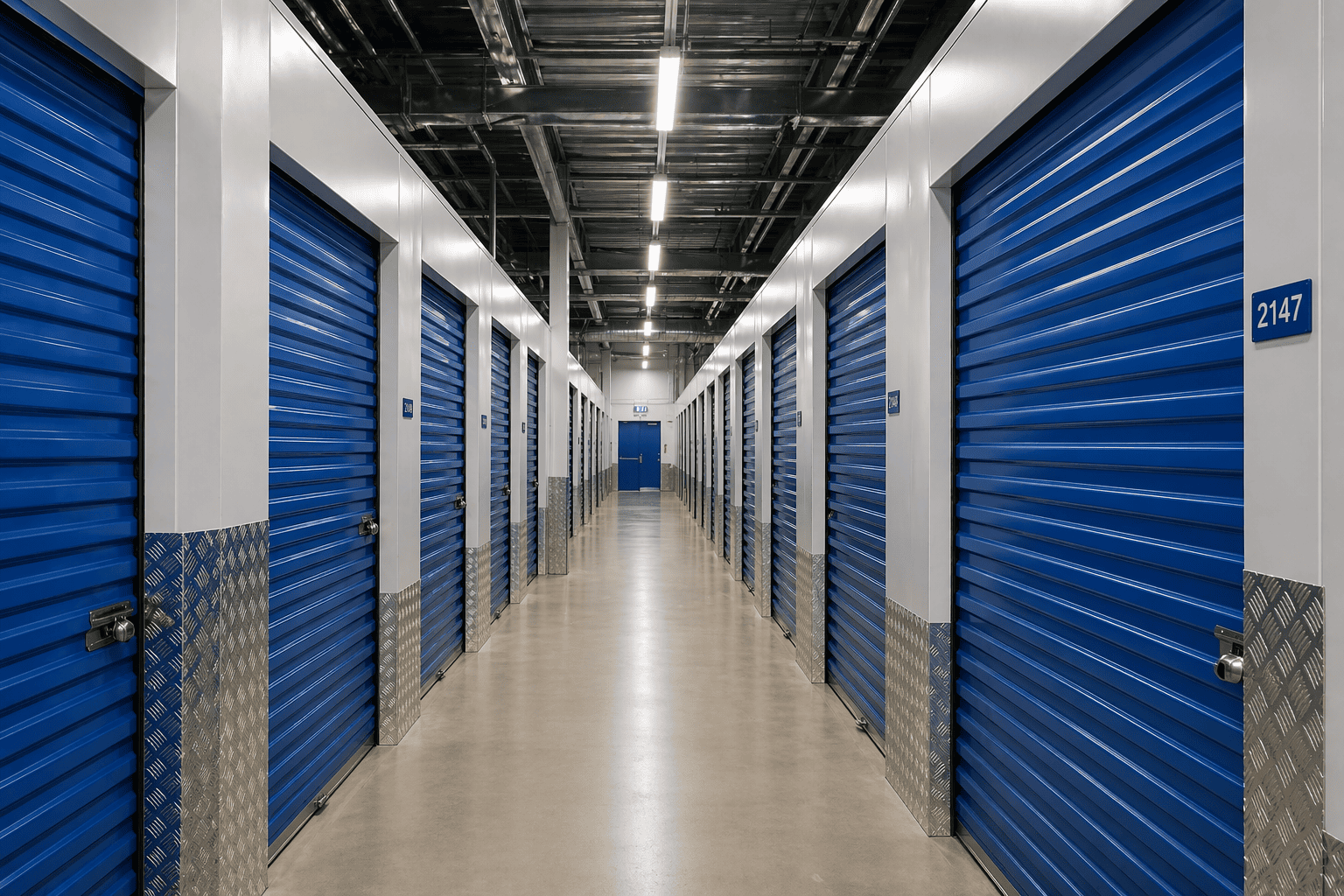
In addition to those mentioned previously, we construct trade counter units, cold storage, self-storage (new construction or conversion of older industrial) as well as extending and renovating existing buildings, this is one of the largest categories of work.
This is the part of the page most contractors’ Essex pages ignore, and this is the most frequent time when an estimator has to determine if a project will run to program. Land adjacent to the Thames acts differently from land away from the river. There are soft soils, a high water table, and long industrial histories. All three items affect how foundations are constructed. What looks like a straightforward job may require ground improvements, piles, or remediation after the proper investigation is done. One of the biggest contractor mistakes is discovering these conditions in the middle of construction rather than during the appraisal process. Therefore, we conduct as many site investigations as necessary before any design is made for the appraised price.
The second major reality of estuaries is flooding. Areas of South East England are located within Environment Agency flood zones; however, this does not mean you cannot develop in those areas. However, there will be restrictions placed on your development. Drainage designs, sustainable drainage systems, flood-resilient designs, and finished floor elevation designs related to flood risk must be included in your design and approved by the local authorities. Again, this is a design-stage discussion, not a problem to solve on-site.
The third major reality of estuaries is traffic. The roadways surrounding Tilbury and London Gateway have some of the heaviest truck movements in the world. The construction logistics (deliveries, equipment, etc.), plant, and site access must be developed prior to starting construction. Often, a formal traffic management plan is discussed and accepted with the local authority prior to commencing construction.
This isn’t saying don’t build along the estuary. These are the best locations in the UK to locate port logistics sites. This simply says that the Appraisal and Design Stage carries more importance in Estuary Locations than almost every location in the UK. That’s why experience is what pays off.
Every project follows the same logic, even though the details change site to site. We start with a site appraisal: the ground, the access, the existing structures, the constraints, so the project begins from facts rather than assumptions. Near the estuary, ground conditions and flood risk are properly investigated.
From there we move through feasibility (what's realistically achievable on the site and budget), planning (preparing and managing the application with the relevant authority), and detailed design (turning the agreed scheme into a buildable specification). Then construction follows its natural sequence: groundworks and foundations, the steel frame, the building envelope that makes it weathertight, the internal fit-out, and the external works, yards, drainage, access and parking, before handover with full documentation and certification.
The point of one team running all of this is simple. The usual model splits a project across separate firms for demolition, groundworks, frame, cladding and fit-out, and every handover between them is a chance for delay, extra cost and an argument about whose responsibility a problem is. We remove those gaps by doing the lot: one programme, one budget, one team accountable for the result. Through our sister company, Strip Out Company, that extends back to demolition and enabling works too, so the site is genuinely cleared and ready when the build team arrives.
Essex has a much more fractured approach to local planning than the initial impression suggests. While most of Essex is two-tier (Essex County Council and 12 District/Borough Councils), Thurrock and Southend-on-Sea are Unitary Authorities.
Thurrock is especially important due to its governance of large amounts of the county’s Port & Logistics Land. The Western Fringe of the county (near the M25) contains green belt land that constrains development significantly more than other areas in the ports and growth areas on the Eastern side of the county.
As a result, the Planning Route for a site near the Estuary will be vastly different from that for a similar site at the west end of the county (M25 area). Understanding what local Authority a Site is located within and how they view Industrial Development is an integral aspect of moving a Project forward without unnecessary delays.
Not every project is a new build. Essex has a substantial stock of older industrial buildings, and where the structure is sound, refurbishing or extending is often faster and more cost-effective than starting again.
That work ranges from re-roofing and re-cladding older buildings to meet current insulation, weathertightness and fire standards, through floor slab repair or replacement, to full M&E upgrades where the existing services are undersized or worn out. Office space within industrial buildings is often modernised at the same time, whether to a basic ready-to-let standard or to a fitted-out standard for a specific occupier. Energy improvements, insulation, glazing, lighting, and building services are an increasing part of this as EPC requirements for commercial buildings tighten.
Whether it's a new distribution facility near the ports, an extension to an existing operation, or upgrading an older building, we can take it from concept through to completion. We'll come to your site, look at what you've got, and give you a straight view on what's possible and what it will cost. No charge, no obligation.
Both depend heavily on size, specification, ground conditions and whether planning is needed, so there's no single figure. A straightforward new-build unit typically takes several months from groundworks to handover, with planning and design adding time before that. The only honest way to give you real numbers is a site visit and a conversation about what you actually need, which we do free of charge.
Usually, yes, though some smaller works or changes of use can fall under permitted development depending on the site's history. Essex is split across district councils plus the Thurrock and Southend unitary authorities, so the requirements genuinely vary by location. We handle this as part of feasibility and planning.
No, we build the full range of industrial buildings: distribution centres, manufacturing and production facilities, trade counter units, cold storage and self storage, as well as extensions and refurbishments.
We build across Essex, with particular focus on the logistics areas around the Thames estuary ports. That includes Thurrock, Tilbury, Grays and Stanford-le-Hope on the estuary; Basildon, Brentwood and the south; Chelmsford, Colchester, Braintree and Witham through the centre and northeast; Harlow and the M11 corridor in the west; and Southend and the coast. The A12, A13, M11 and M25 connect the lot.
Would you like to learn more about how we can help you with your next residential or commercial project, fill in your details and a member of our team will be in touch.
A strip-out is the first phase of most warehouse refurbishment, redevelopment and end-of-lease projects, and it sets up everything that follows. Get it right and the building hands over clean, safe and ready for the next stage. Get it wrong, and the problems carry thro..
Read Full Story »
In choosing a site, every other element of the project is set, including the cost of acquisition, the time required to complete the project, planning risks, and ultimately, the structure you will create. If the choice is incorrect, the rest of the project will be spent recovering from an error in judgment that was made within days of commencing...
Read Full Story »