Warehouse Construction Hertfordshire

Rather than just constructing an industrial warehouse, Warehouse Construction Contractors will help your company develop a warehouse designed to function as effectively as possible for its operations. Warehouse Construction Contractors construct warehouse projects across Hertfordshire, including, but not limited to, warehouses at distribution centres with access to the M25 and A1(M), manufacturing units, trade parks, logistics centres, and commercial storage buildings. Regardless of whether you are looking to construct a brand new warehouse, extend one of your current warehouses, or restore a very old warehouse, Warehouse Construction Contractors can manage every phase of the project from inception (the early stages of the planning process) through to project completion.

Warehouse Construction Hertfordshire

Warehouse Construction Across Hertfordshire

Hertfordshire lies to the North of London, and its industrial characteristics are influenced by its closeness to the Capital and the Motorway system connecting it to both the Capital and the National Network. In the western part of the County, Hemel Hempstead has significant development opportunities for warehouses near the M1 & M25. To the Center of the County, there are a series of Commercial and Industrial areas, including Watford, St. Albans & Hatfield. There are two distinct groups of Industrial & Logistics occupiers in Hertfordshire: those in the North (Stevenage), and those in the East (Lee Valley).

A combination of roads provides direct links to London and the rest of the country. The M25 passes along the southern edge of the County; the M1 provides access to the West side of the County; the A1(M) passes through the centre, providing a link to Stevenage and beyond; and the M11 cuts into the eastern edge of the County. The A414 is the primary east/west artery through the County, connecting Hemel Hempstead, St. Albans, Hatfield & Hertford. It also handles most of the inter-industrial traffic between Hertfordshire’s Major Centers.

The attractiveness of Hertfordshire for Industrial Occupiers can be attributed to its location, being close to London yet with access to other parts of the South East and the Midlands (via A1(M) & M1), as well as Airports. Additionally, large sections of Hertfordshire are designated as Green Belt, which restricts new Industrial Land Supply, and maintains high levels of demand on existing well-located properties. As such, from an operational perspective, there is high demand against low supply for Businesses. This indicates that using your Site effectively, whether you’re looking at a new build, extension, or refurbishment, is very important.

warehouse-construction-contractors1.jpeg

Warehouse Construction Services

Building Brand-New Warehouses

Building a brand-new warehouse begins many months prior to laying the very first foundations. We start with an initial review of the proposed site to assess ground conditions, access, and available services, and to identify potential limitations that may impact either the design or the overall program timeline. Within Hertfordshire, there is a significant amount of green belt; therefore, the availability of vacant parcels of land for true new-build projects is extremely limited. Therefore, determining whether it is feasible to develop a parcel of land for a project before committing financially is paramount to success.

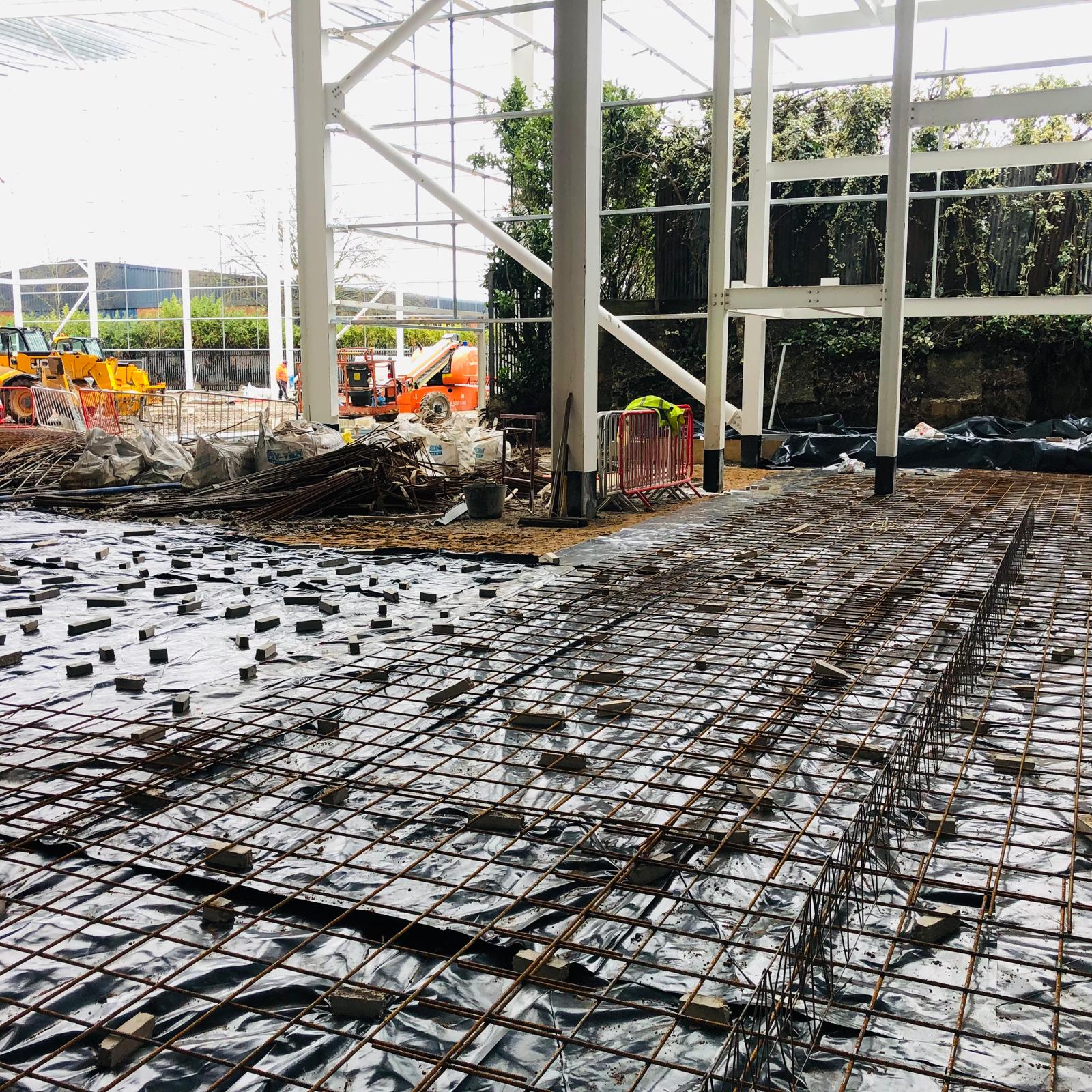
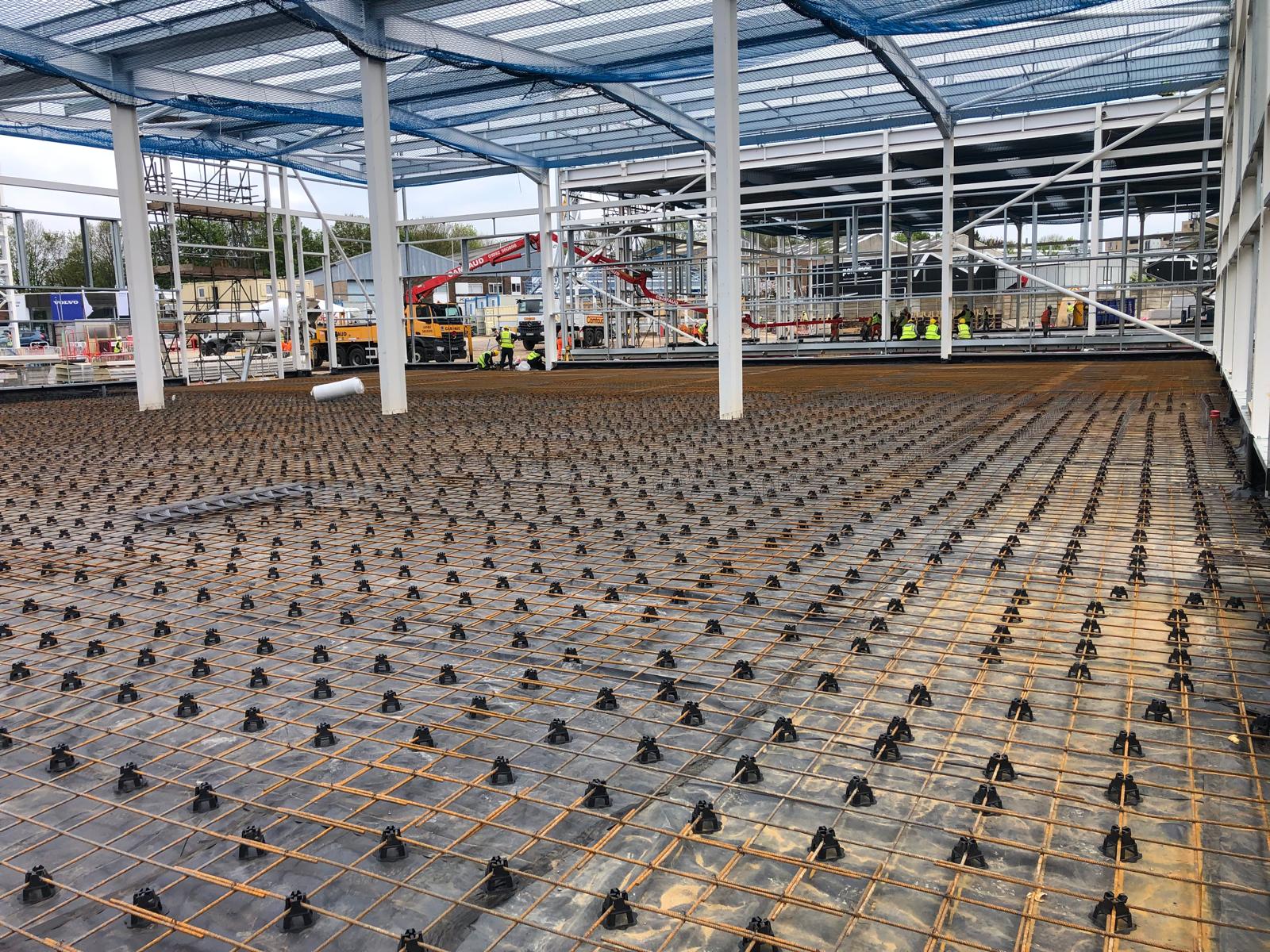
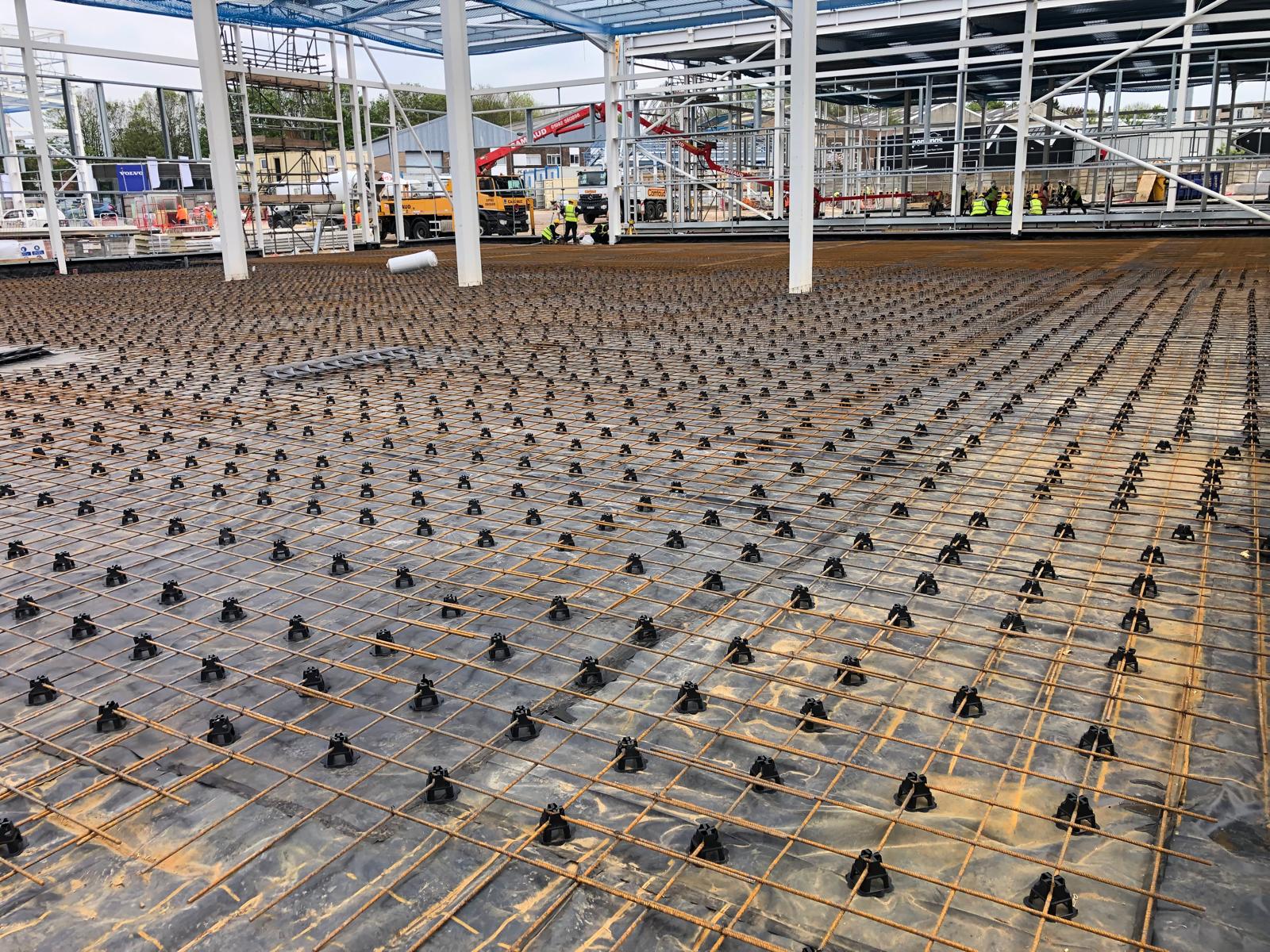
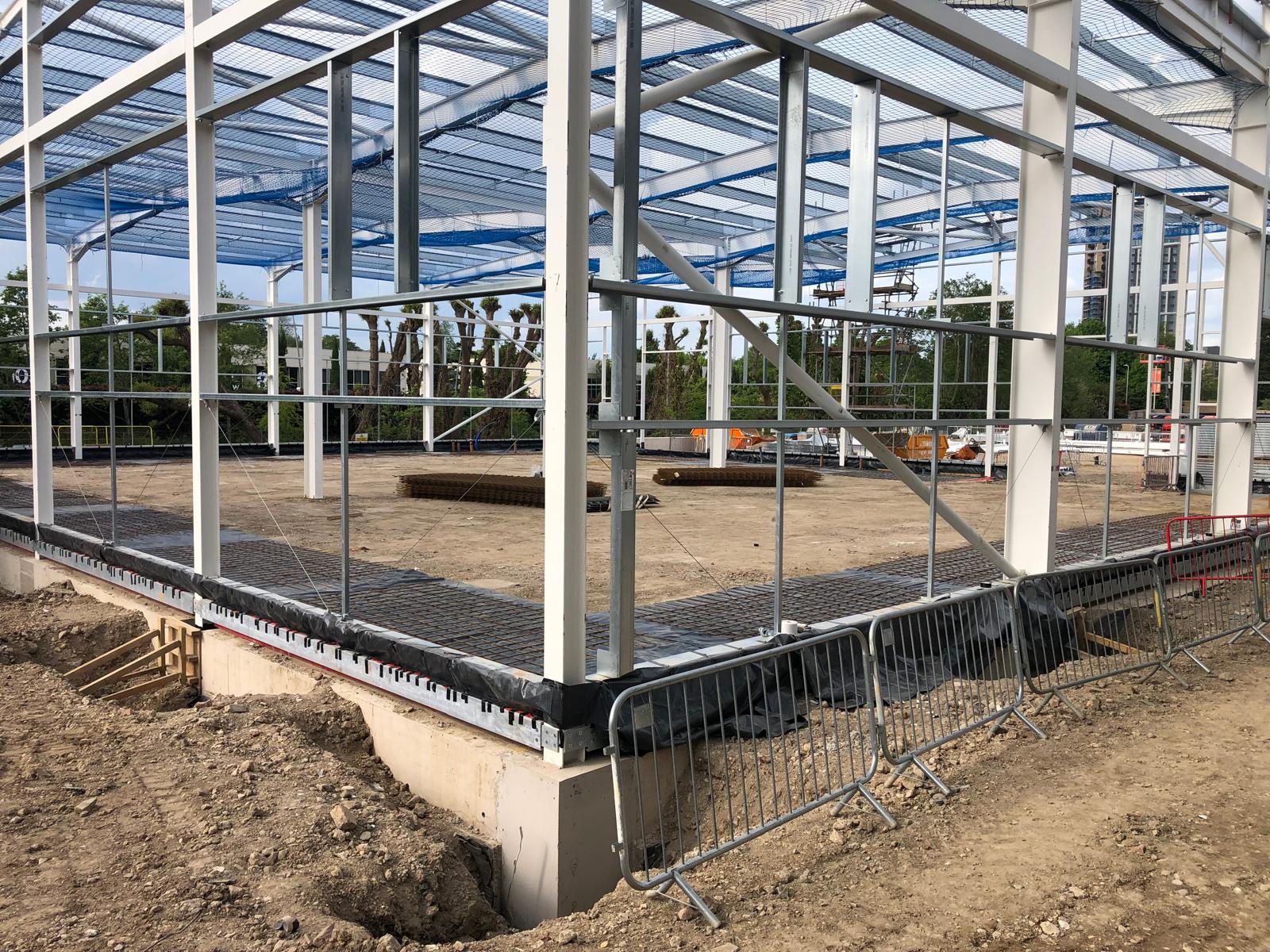
Upon completing feasibility and obtaining approval of the plans (if required), we transition to designing the project details and establishing preliminary costs. At this point, we define the physical characteristics of the building, including the size of the steel portal frame elements, slab specifications to support heavy racking and vehicle loads, vertical clearance at eave level to accommodate your operational needs, and the layout of the yard, parking, and entry/exit points. Virtually all of the warehouse construction projects we undertake use a combination of a steel portal frame structure and a reinforced concrete slab. However, we adjust this "template" based upon the unique requirements of each individual client.

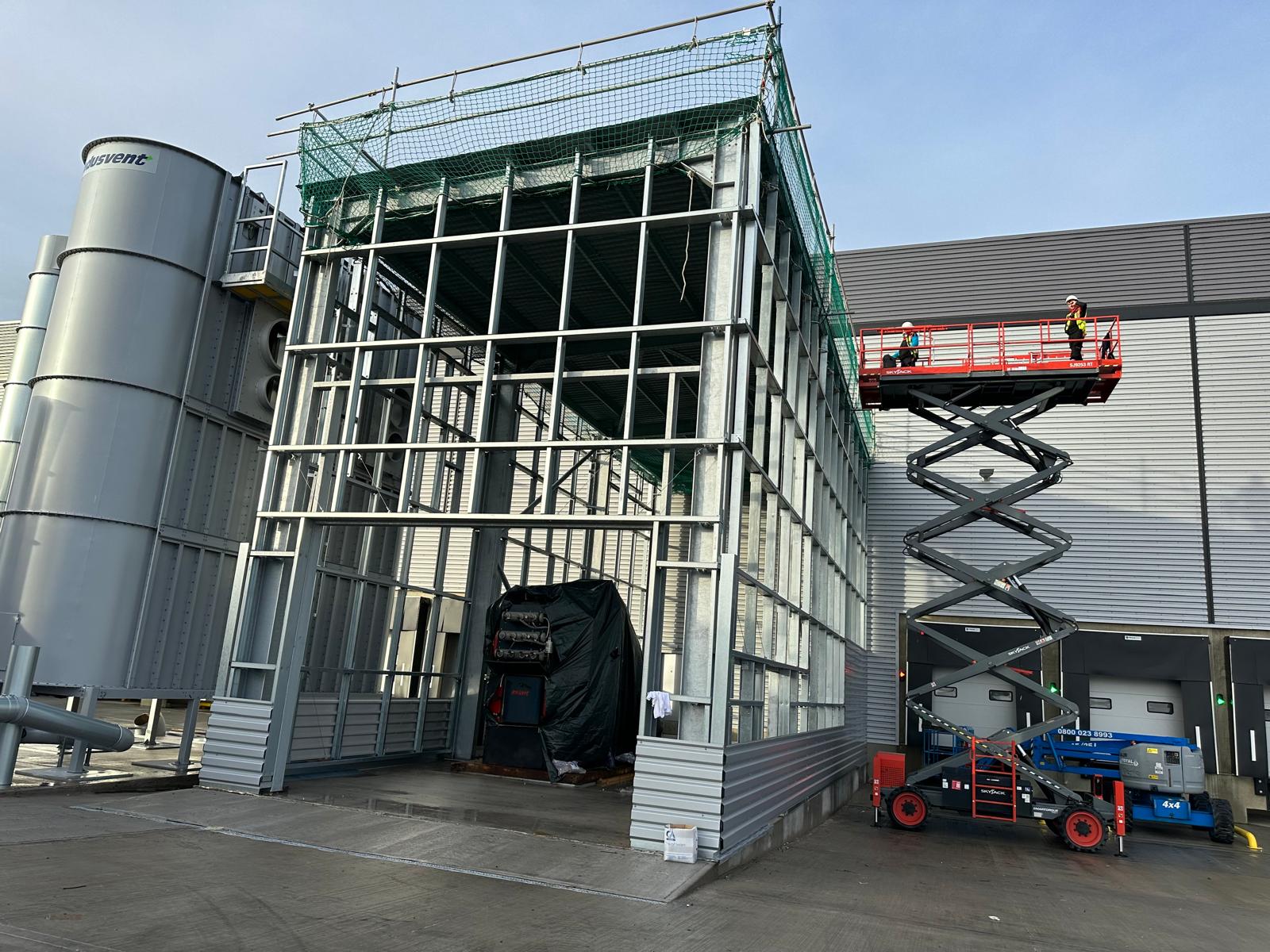
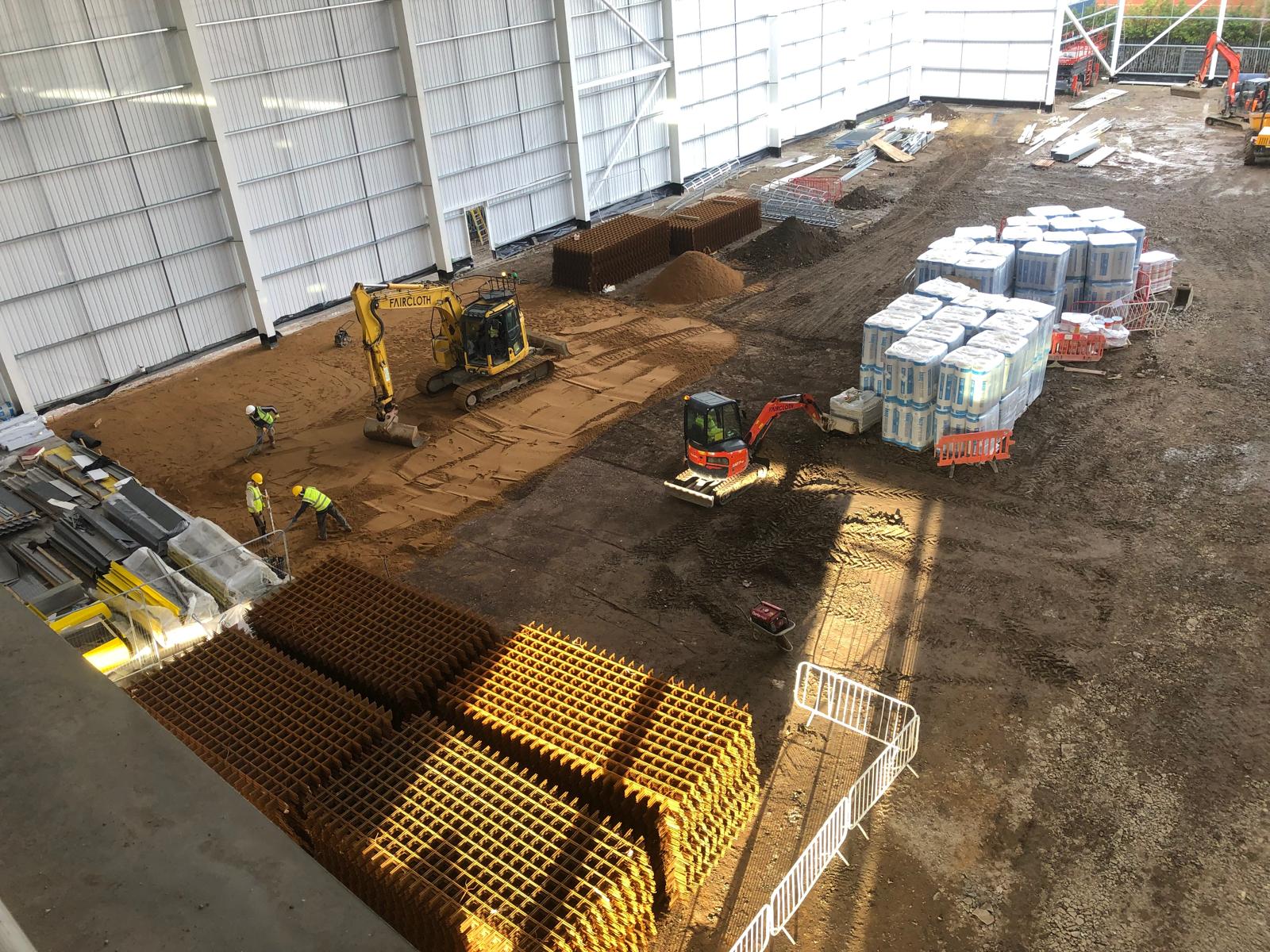
The construction process for a typical warehouse is a sequential process involving groundworks, erecting the structural steel, completing the building envelope, followed by fit-out and exterior improvements. Our clients typically benefit from having one team and single point of contact responsible for managing the entire program. Upon completion of each phase of the project, our clients do not experience issues caused by handovers between multiple subcontractors working independently throughout the project. Due to the proximity of development to existing residential properties and/or estates within the County of Hertfordshire, effective site management and sequencing is crucial in ensuring that our client's project is completed as efficiently as possible.

Warehouse/Distribution Centre Projects

Distribution centre projects require consideration far beyond traditional industrial uses. There are consequences associated with poor design decisions related to high-bay storage facilities. Eaves heights and structural grid spacing must be determined based on the type(s) of racking system utilised and the corresponding material-handling equipment that will operate within them. We utilise this same approach when developing designs for distribution centres. Working closely with both you and your racking/logistics consultants to determine these factors during the early stages of the design process ensures that the frame/slab of the facility is developed specifically for your intended operation rather than after-the-fact adjustments are made to meet your future needs.

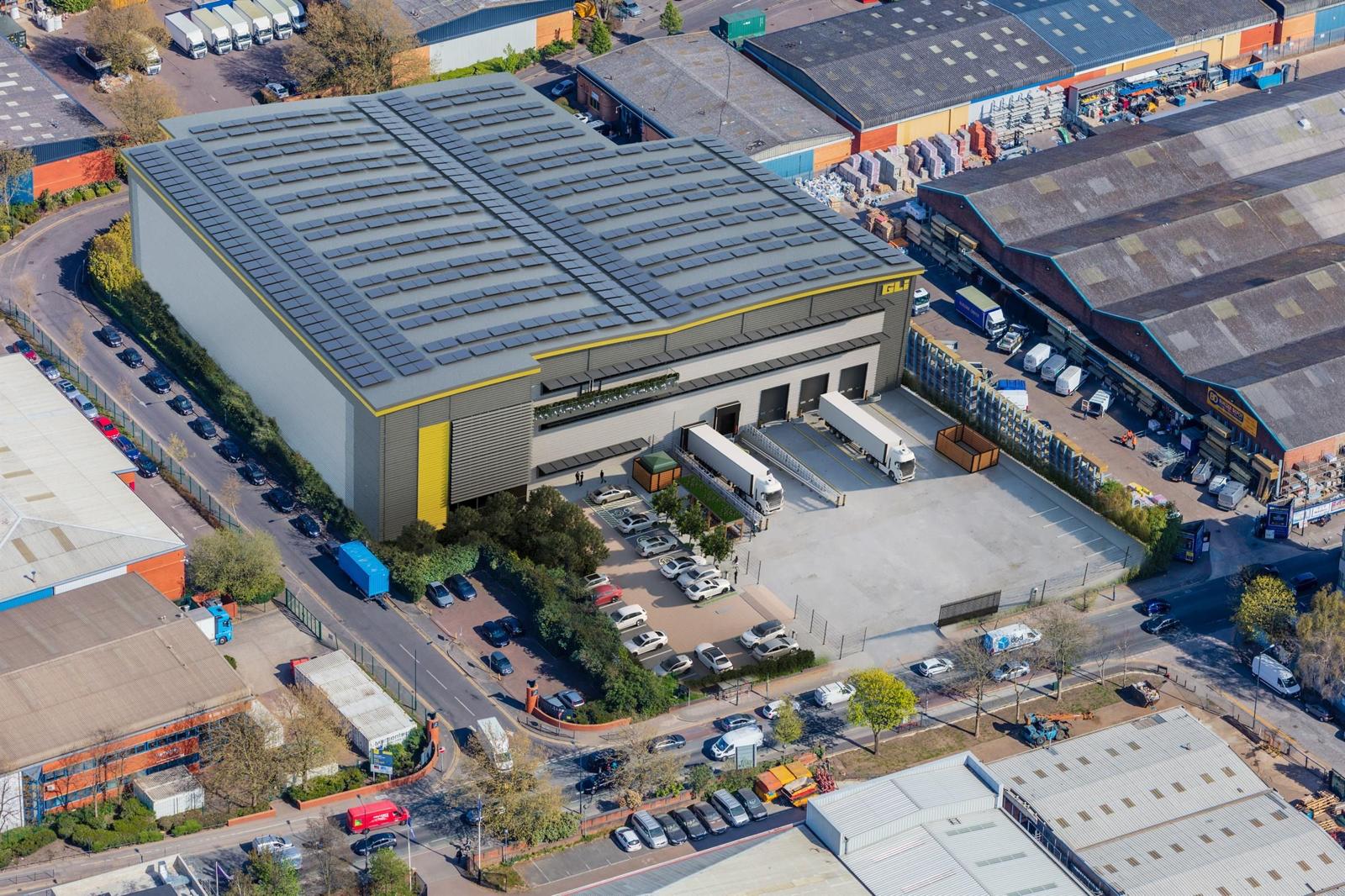
Dock levellers/loading bays must be designed based on your company's fleet mix and anticipated throughput levels. Your vehicle fleet mix determines how many dock doors to provide based on your yard configuration/layout and expected turnaround times. The positioning/dimensions/specification of dock doors directly influences your yard layout and traffic flow patterns. We take into account all aspects related to your site operations when designing your service yard. We calculate the required turning radii/parking spaces and queueing areas for HGVs as part of our yard design process to ensure your site operates effectively on opening day.

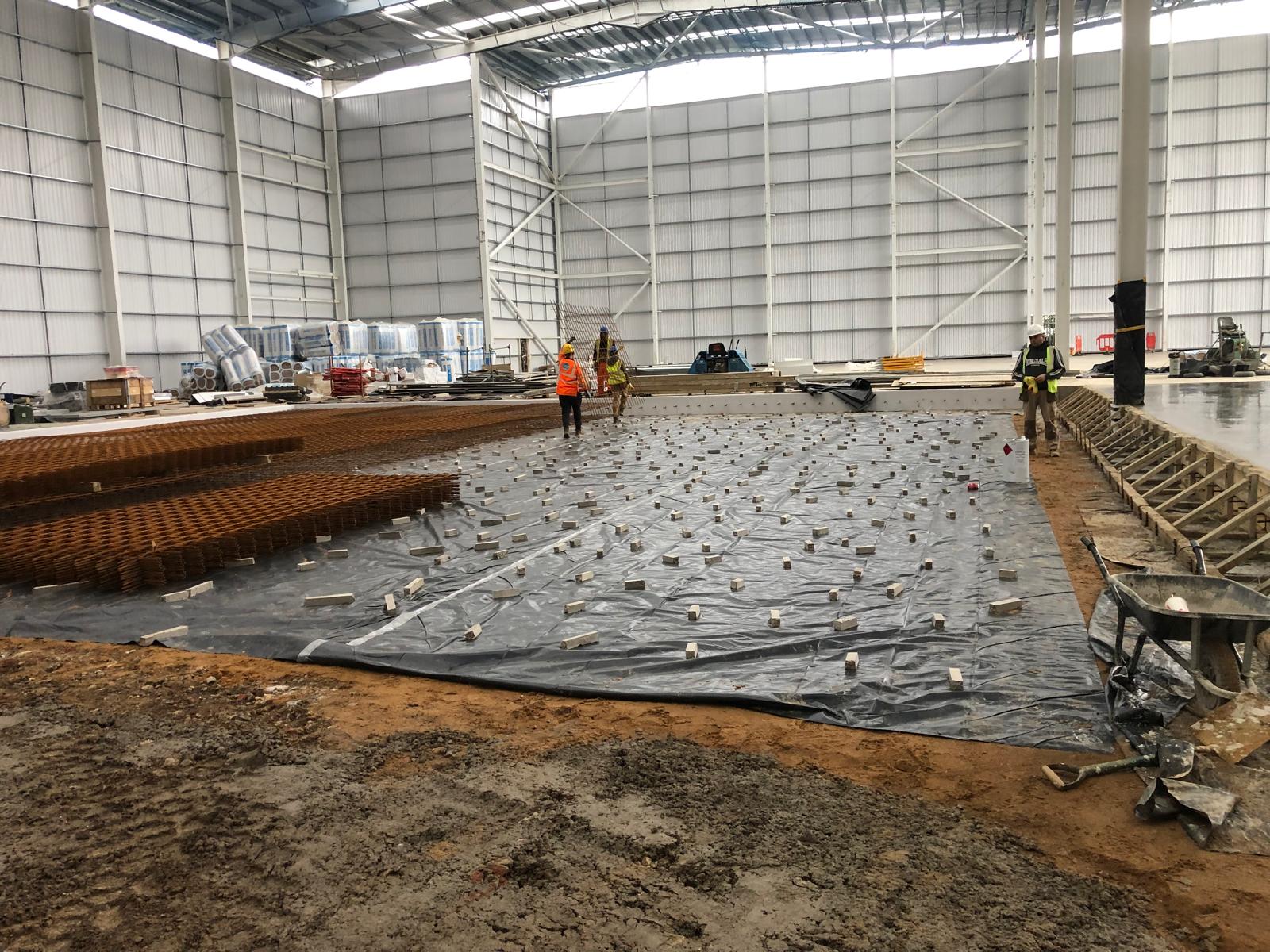
Another major difference between distribution centre design and general storage applications concerns floor slab design. Heavy concentrated loads from racking leg support structures, coupled with tight flatness tolerances for the operation of narrow-aisle equipment, necessitate proper slab design from inception. We coordinate the placement/execution of concrete work in conjunction with the rest of the project schedule since both slab tolerance/curing control factor significantly into the successful conclusion of the project just like structural steel frame design does.
Logistics Facilities

The wide variety of logistics activities (including cross-dock facilities, parcel sorting centres, and e-fulfilment) creates very diverse design criteria. For example, an efficient cross-docking facility requires a building that enables the fastest possible throughput of products from incoming to outgoing vehicles. This can include door layouts, yard arrangements, and other factors that are determined by the desired product movement flows rather than retrofitted as a second-phase project.

For parcel hub and e-commerce-type applications, there may be additional design considerations, such as warehouse space combined with a greater number of mezzanine or first-floor pick locations; increased electrical power and data infrastructure for automated conveyor systems, sortation devices, etc. Designing the building structure, including structural grids, floor loading capacities, and the routing of all services to meet the needs of the operator's fit-out prior to construction completion, will save considerable time and expense compared to making these modifications later.

Hertfordshire's proximity to London creates high demand for last-mile and regional distribution logistics operations that typically require some form of automation. Examples of automation include Automated Storage/Retrieval Systems (ASRS), conveyor networks, and robotic picking systems. In addition to meeting normal warehousing requirements (i.e. floor flatness, structural tolerance, power supply, etc.), many of these systems also require specialised foundation designs for stationary equipment. Working closely with automation vendors early in the design process ensures that the building is constructed "automation-ready" without requiring subsequent modifications.

Manufacturing Facilities

While manufacturing structures share similarities with warehousing structures (e.g. steel frame, concrete slab, clear span, etc.) they differ significantly in terms of detail. Manufacturing operations require higher levels of electrical power for machinery and equipment; specialised drainage for various processes; segregation of spaces for different stages of manufacturing; and floors that accommodate the equipment and materials used in those processes.

Before designing the manufacturing facility, we develop a thorough understanding of your manufacturing process. Therefore, we consider issues such as installing overhead cranes to enable internal movement of heavy products/components; ventilation and exhaust requirements for production areas; and the transportation of raw materials through the plant and the disposition of finished products. As Hertfordshire provides a solid foundation for the life science and advanced manufacturing industries (especially within the vicinity of Stevenage) manufacturing facilities often contain specialized requirements related to cleanliness, temperature control, and services which must be incorporated into the design from inception.

warehouse-construction-contractors3.jpeg

Warehouse Extensions

Adding a few extra floors onto an existing warehouse is generally not easy. The new building will have to fit into the existing structural framework, ideally will have similar cladding and roof finishes to the original warehouse, and must be able to accommodate the same existing drainage, services and access routes. To ensure the new building ties in safely, we assess the condition of the existing warehouse to determine what loads it can carry and what design requirements are needed to safely attach the two structures.

For many warehouse owners, the main priority when expanding their warehouse is maintaining operations during construction. In almost every case, the original warehouse remains open while construction takes place. This leads to challenges around sequencing (the order in which construction activities are undertaken), creating temporary weather-proofing of connections between the new and the old, and developing site logistics to minimise disruption to operational areas.

In terms of matching the look of the existing structure, there is more to consider than just aesthetics. Aspects such as pitch of the roof, height at the eave line, grid spacing, cladding profile and other details must also be matched so that the extension becomes part of the building, rather than an unwanted addition. Wherever possible in Hertfordshire, extensions are preferable to new-builds due to restrictions imposed by the Green Belt. Therefore, getting these aspects right is crucial, as an extension often provides the best opportunity for a business to increase its accommodation capacity.

Warehouse Refurbishments

Refurbishment projects account for a significant proportion of our warehouse project workload in Hertfordshire. This is largely due to the age of much of Hertfordshire's industrial stock and the planning constraints that make reusing existing buildings more feasible than new developments over much of the County. Depending on whether there has been previous damage/decay or simply time has passed since last repaired/refurbished, refurbishment works could range from repairing specific items of equipment to stripping back to bare bones and rebuilding specific components: roofs/floors/cladding/M+E systems/offices.

Often, roofs and cladding are first on the list, particularly for older industrial buildings, as they do not currently meet required standards for thermal performance, weather tightness, or fire resistance. If damaged beyond repair or worn out from heavy usage, floor slabs may require repair, relaying, or complete removal/replacement, depending on the extent of the damage or wear & tear, as well as the additional loading that the intended future use will impose. Similarly, Mechanical/Electrical (M+E) systems installed years ago in older buildings tend to be undersized or nearing the end of their useful lives; refurbishment is typically necessary before they can support a new tenant's operational needs.

Upgrades to office facilities within industrial buildings, commonly referred to as Cat A/Cat B fit-outs depending on the level of finish, are commonplace on refurbishment projects, especially if a building is to be repurposed for a different type of occupant. Due to our relationship with Strip Out Company (our sister company), we undertake the demolition/survey element ourselves, including disposal arrangements, so that we are confident that the site is fully prepared for the commencement of refurbishment construction.

warehouse-construction-contractors-london1.jpeg

Design and Build

Design and build is a model in which we manage every aspect of the project from conception to completion. The first step is to work out what you require from the building and create a design that satisfies your needs while staying within a realistic budget and schedule.

Project planning can be included in the above process. There are 10 District and Borough Councils in Hertfordshire, which include: Watford, Three Rivers, Dacorum, St Albans, Welwyn Hatfield, Hertsmere, Broxbourne, East Herts, North Herts, and Stevenage. Each District has their own Local Plan, and all planning decisions are made by the District. As part of the design phase, we follow the guidelines provided by the appropriate District authority for the site. If there are Green Belt considerations on your site, we also consider them during this time. Compliance with Building Regulations will be considered throughout the design phase rather than as an afterthought.

Cost Planning will run concurrently to Design. This gives you a clear, realistic idea of how much the project will cost before you commit. Instead of a design that will be value-engineered down once tendering begins, we develop our design to the budget from the beginning. Any cost implications of the design decision will be flagged at that time. After Design and Cost are approved, Construction will occur just like any other New Build/Refurbish Project and only one team will carry the project from the Drawing Board to Hand Over.

warehouse-construction-shuttering.jpeg

Sectors we work in

Life Sciences & Pharmaceuticals

Hertfordshire hosts one of the largest life science clusters in Europe, based in Stevenage, and the buildings they require go far beyond basic warehouse specifications. The buildings will often have climate-controlled environments, cleanrooms, specialised drainage systems, and greater-than-normal fire protection. We provide design-and-build solutions that address all of these aspects before we even begin construction, and we work closely with specialists in M&E and processes when required.

Film & Media

The county is right at the centre of the U.K. film and studio business, with many large studios in and near Leavesden, Elstree and Boreham Wood. Not only do you need large studio space, but you also need warehouses, workshop spaces, storage buildings, and service buildings. We have completed work as the builder and renovator of an assortment of industrial buildings for all kinds of operations that serve this type of operation, which can be very flexible and turn quickly.

E-commerce & Logistics

Due to its location in Northern England, Hertfordshire is an ideal location for logistics and last-mile fulfilment. These types of operations usually require a large amount of clear-span warehouse space, an abundance of dock provisions, and a yard layout designed for heavy traffic. We intend to create a building and site that reflects how products and vehicles move throughout your company.

Food & Beverage

Food and beverage operations in Hertfordshire range from manufacturing and packaging to cold storage and distribution of food products to the North West area of London. Due to colder environments with different requirements compared to typical warehouse needs, we specialise in designing buildings for cold/cool operations.

Trade Counter Operators

Builders' merchants, electrical wholesalers, and plumbers' suppliers require a mix of warehouse storage for supplies, trade-counter retail space, and a yard layout that enables their customers to load their own merchandise while deliveries are taking place. Ongoing development in both residential and commercial developments continues to grow residential markets, supporting consistent demand for this type of facility.

Self-Storage
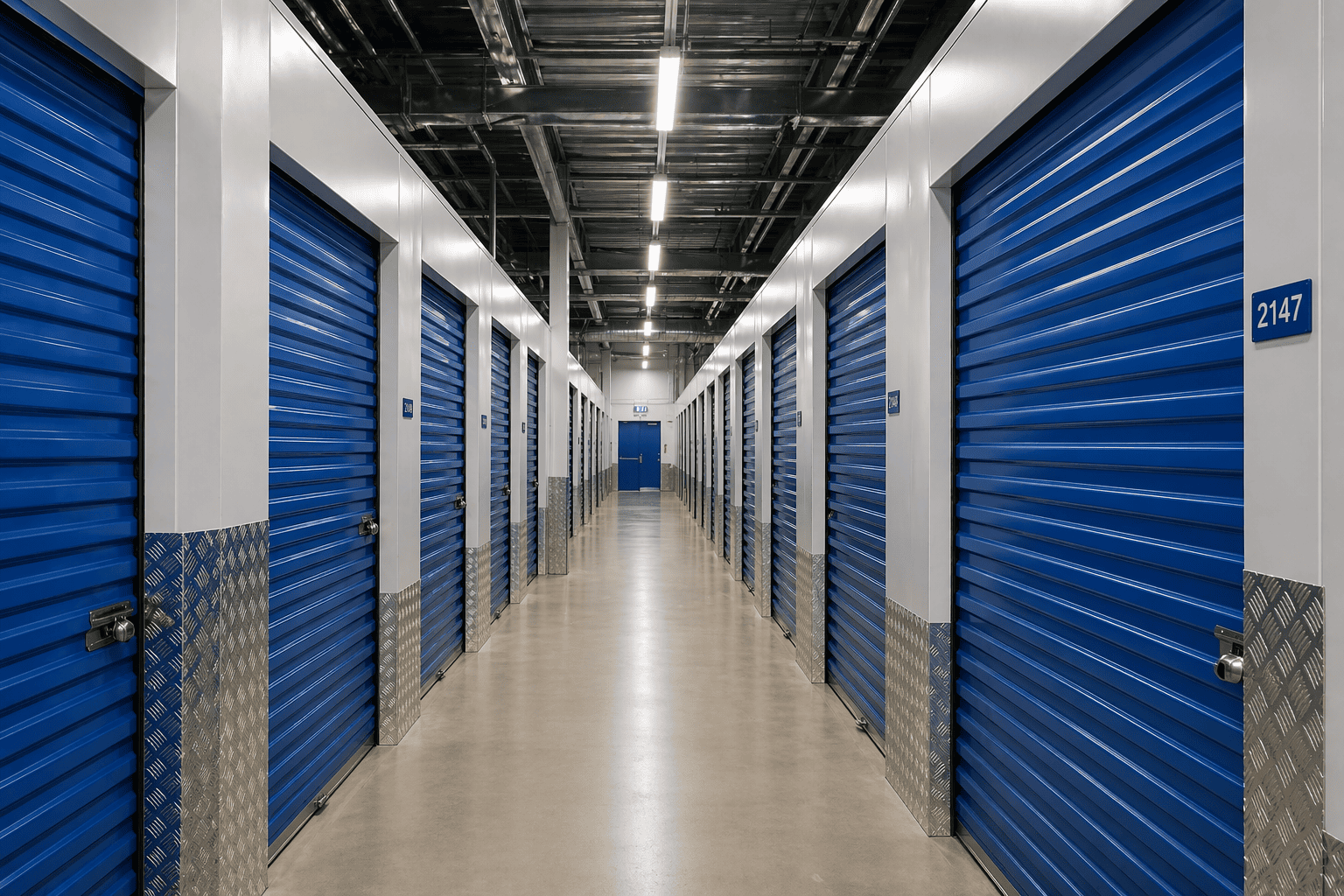
Self-storage has been one of the most stable, growing sectors in industrial property. Due to our proximity to London, the high cost of housing in Hertfordshire, and the high-density population in Hertfordshire, there is a great opportunity for developers looking to build new self-storage facilities or convert existing industrial buildings into self-storage facilities. Our focus on internal subdivision, fire compartmentalisation, and access routes was a key element in our designs.

Why does Hertfordshire have such great potential?

The reason why Hertfordshire is so attractive is its proximity to London (just North of), as well as the connections you would expect to come with being near the Capital. The M25 provides all-round orbital routes connecting the business community with the rest of the South East, whilst the M1 & A1 (M) provide northern routes to the Midlands, and the M11 offers routeing westwards to Cambridge and Stansted Airport. So if your company needs to be able to effectively service both London & the south east, but also keep options open for future expansion to the north, then Hertfordshire represents some of the best placed locations in the UK.

Additionally, there are two key commercial airports located at either end of Hertfordshire. Stanstead Airport is based in Essex at the eastern side of Hertfordshire, and Luton Airport is situated at the western edge of the county. With Heathrow located close by via the M25, these airports represent a huge opportunity for companies that require air freight services or have international supply chains. Also, Hertfordshire is home to some excellent rail links into London, which will support your ability to recruit & retain staff required for your warehousing and logistics operations.

As you can see from the graph above, Industrial demand remains consistent throughout Hertfordshire due to its unique blend of serving London and its long-established Life Sciences, Film, and Logistics sectors. However, I believe that the defining characteristic of the Hertfordshire market is a lack of available industrial land; many areas of Hertfordshire are designated as part of the Greenbelt, restricting opportunities to develop new industrial sites and thereby creating high demand for well-positioned units. This means that, for companies, a well-built & well-located unit in Hertfordshire becomes a highly valuable commodity, driving them to get maximum value from their existing sites through extensions & refurbishments.

warehouse-construction-london5.jpeg

How We Deliver Warehouse Projects

Site evaluation – We look at the property itself: soil conditions, accessibility, existing buildings and services, to gain an accurate view of the property and start the project without assumptions.

Feasibility – We evaluate what can be achieved on the land, including massing, access, parking, and yard space, and will also match your needs, budget, and operations, especially if you are looking to develop within the Green Belt or another constraint that may affect development.

Planning – We submit and manage the planning application, taking into account the requirements of the relevant Hertfordshire district guidelines and resolving issues such as highways, drainage, Green Belt, and environmental considerations.

Design – As the proposal details are finalised, the detailed design creates a buildable specification based on the agreed-upon design parameters, encompassing the structure, building envelope, services, and external works.

Preparation of Ground Works (groundwork) – Site preparation, foundations, and drainage are carried out to create a suitable surface for the frame and slabs.

Steel Frame Construction – The structural frame construction begins by establishing the building's configuration, span, and eaves height.

Envelope – A weather-tight roof and cladding are installed to enable internal work to commence.

Fit-out – All fit-out work, such as flooring, electrical, mechanical, plumbing systems, office spaces, fire suppression system, racking infrastructure, etc., is completed.

All External Works - Yard space, access road, drainage, parking, and landscaping are completed in order to finish the site.

Completed Building Handover - The completed building is delivered to the clients. All documentation, certification, and as-built data are supplied.

warehouse-construction-london6.jpeg

Our Construction Capabilities

We do all the work required to complete a warehouse project in its entirety. This includes:

• Steel framing
• Reinforced Concrete Works
• Groundwork & Foundations
• Cladding Installation
• Roofing
• Office Fit-Out within Industrial Buildings
• Loading Dock / Dock Leveller Installations
• Service Yards & External Work
• Drainage
• Mezzanine Floor Installations
• Fire Protection Systems
• Warehouse Flooring – High Specification Slabs for Racking & Equipment Loads

The advantage is that with our construction capabilities being carried out by one team; they are able to complete the project in an efficient manner, as well as be flexible enough to deal with any changes to the build process that may occur during the course of construction.

warehouse-construction-london10.jpeg

Warehouse Refurbishment In Hertfordshire

The importance of warehouse refurbishment in Hertfordshire cannot be overstated. The Green Belt restrictions across much of the county create additional challenges for developers seeking to build new warehouses. However, with the limited availability of greenfield sites for new industrial floorspace in many parts of the country, refurbishment is likely to be one of the few viable options for businesses seeking to acquire the space they require. When an existing warehouse has a sound structural framework but does not meet the service or accommodation requirements of today’s businesses, it is generally less expensive and quicker to refurbish than to demolish and rebuild. Moreover, when a site is located in a Green Belt area then refurbishing is likely to be the only realistic option available.

Refurbishments can vary significantly in terms of scope. They can range from providing a CAT A fitout, which returns the property to a basic, vacant condition, through to CAT B fitouts, where the works are specifically designed to enable the tenant to occupy the premises. Many refurbishments involve extending the existing building while simultaneously improving it. If the use of the building is being changed (for example, if it was previously used for low level storage and now requires high bay shelving) then some form of structural reinforcement may need to take place.

There is increasing demand from tenants who wish to improve their office accommodation within their existing industrial properties. This enables them to maintain their existing location but provide improved working conditions for employees. As regulations governing energy efficiency become tighter, there is an increased requirement on landlords/developers to undertake energy improvement works to their refurbished properties. These include measures such as loft insulation, double glazing, improved lighting systems, and upgraded building services.

FAQ

How much does warehouse construction cost?

-

Costs vary significantly depending on size, specification, location and ground conditions, so there's no single figure that applies to every project. The best way to get an accurate cost is a site visit and initial discussion about your requirements, which we provide free of charge.

How long does a warehouse take to build?

-

Programme length depends on the size and complexity of the building, and whether planning permission is required. As a general guide, a straightforward new-build unit typically takes several months from groundworks to handover, with planning and design adding time before construction begins.

Can existing warehouses be extended?

-

In most cases, yes, provided the existing structure can support the connection and there's suitable space and access on site. We assess the existing building as part of the design process to confirm what's achievable. In Hertfordshire, extending an existing building is often more achievable than building new, given Green Belt constraints.

Do you undertake design and build?

-

 Yes. We manage projects from initial concept and planning through to design, construction and handover, acting as a single point of responsibility throughout.

Do I need planning permission for a new warehouse or extension?

-

In most cases, yes, although some changes of use and smaller extensions may fall under permitted development rights depending on the site and its planning history. Much of Hertfordshire is Green Belt, where development is more tightly controlled, and planning is handled at district level with each district applying its own local plan. We address this as part of the feasibility and planning stage of every project.

Let’s get
started

Would you like to learn more about how we can help you with your next residential or commercial project, fill in your details and a member of our team will be in touch.

This site is protected by reCAPTCHA and the Google Privacy Policy and Terms of Service apply.

Latest From the Blog

warehouse-construction-builders1.png
What Does a Warehouse Strip-Out Involve?

A strip-out is the first phase of most warehouse refurbishment, redevelopment and end-of-lease projects, and it sets up everything that follows. Get it right and the building hands over clean, safe and ready for the next stage. Get it wrong, and the problems carry thro..

Read Full Story »
industrial-warehouse-construction1.png
Brownfield vs Greenfield: Which Is Right for Your Industrial Warehouse Project?

In choosing a site, every other element of the project is set, including the cost of acquisition, the time required to complete the project, planning risks, and ultimately, the structure you will create. If the choice is incorrect, the rest of the project will be spent recovering from an error in judgment that was made within days of commencing...

Read Full Story »