Warehouse Construction Contractors Sussex

Warehouses have a clear purpose. They must help operations run smoothly, provide space for growth, and handle the daily demands of industrial work. This is the mindset we bring to every project. Sussex has a wide range of industrial sites, including logistics hubs near Gatwick Airport and the M23, as well as manufacturing units, distribution centres, trade parks, and storage facilities throughout the county. Whether your project is in Crawley, Brighton, Worthing, Chichester, or anywhere along the A27, we offer practical warehouse construction solutions tailored to your needs. If you are planning a new warehouse, expanding an existing one, or updating an older building, our team handles the whole construction process. We take care of everything from early planning and design to construction and final handover, giving you a single point of contact to ensure your project is completed safely, efficiently, and to a high standard.

Warehouse Construction Contractors Sussex

Warehouse Construction Across Sussex

Sussex offers one of the most diverse industrial property markets in the South East, with demand driven by logistics, manufacturing, aviation, trade, and commercial distribution. Its strong transport links, established business parks, and expanding employment hubs make it an attractive location for warehouse development and industrial investment.
Northern West Sussex, centred on Gatwick Airport and Crawley, features the Manor Royal Business District, one of the UK’s leading commercial and industrial estates. Hosting hundreds of businesses in logistics, aviation, manufacturing, and technology, it continues to attract investment in modern warehouse and industrial facilities. Direct access to the M23, M25, and the national motorway network makes it ideal for regional distribution centres and businesses needing fast connections to London, Heathrow, and the South Coast.
Further south, towns such as Burgess Hill and Haywards Heath offer established commercial locations between Gatwick and the coast, supported by strong road and rail links. The A27 corridor supports ongoing industrial activity through Worthing, Brighton, Shoreham, Newhaven, Eastbourne, and Chichester, with businesses operating in manufacturing, marine industries, trade supplies, storage, and regional logistics.
Sussex also benefits from commercial activity at the ports of Shoreham and Newhaven, which support freight, marine services, and industrial businesses across the region. While smaller than the UK’s major container ports, they remain vital to the country’s supply chain infrastructure.
Strong transport connectivity supports industrial development throughout Sussex. The M23 links the county to London and the national motorway network, while the A23 connects Gatwick and Brighton. The A27 links major coastal towns from east to west, and the A21 and A259 offer additional countywide connections. On-site operations are an important part of delivering successful warehouse projects. A logistics facility serving the Gatwick corridor has very different operational requirements from a manufacturing unit in Chichester or a warehouse supporting businesses along the South Coast. Every project should be designed around its location, access requirements and long-term operational needs rather than adopting a one-size-fits-all approach.
new-build-warehouse-construction-london1.png

Warehouse Construction Services

New Build Warehouses

A new warehouse project starts long before any concrete is poured. We visit the site first to check the ground, access, services, and anything else that could affect the design or schedule. In Sussex, this is especially important because the South Downs National Park covers much of the county and there are strict limits on what can be built.
Once planning is sorted, we get into the details and costs. This is when the building starts to take shape: the steel frame size, floor slab specs for your racking and vehicles, the height you need, and the layout for the yard, parking, and access. Most UK warehouses use a steel portal frame on a reinforced concrete slab. We start there and adjust it to fit how you plan to use the building.
Construction follows a clear order: groundworks, frame, roof and cladding, fit-out, then external works. You deal with one team and one point of contact, so there is no confusion or blame-shifting if something slips. On Sussex sites, often close to homes or in sensitive areas, good site management keeps the build running smoothly.

Distribution Centres

Distribution centres need more planning than a standard unit, and mistakes are costly to fix later. High-bay racking usually sets the design, with height and frame spacing based on the racking and equipment you will use. We work this out with you and your racking supplier early, so the frame and floor fit your operation from the start.
Dock levellers and loading bays must match your vehicles and throughput. The number and position of doors affect the yard layout and how quickly you can turn trucks around. We design the yard with this in mind, planning turning circles, parking, and queuing space so the site works in practice, not just on handover day.
The floor slab is another key difference. Heavy point loads from racking legs and the flatness needed for narrow-aisle trucks mean the slab must be right the first time. We plan and pour the concrete carefully because the slab is just as important as the steel.
new-build-warehouse-construction-london2.png

Logistics Facilities

Logistics encompasses many areas, such as cross-docking, parcel hubs, and e-commerce fulfilment. Each one has different needs. For example, cross-docking requires buildings designed for quick movement, with doors and yards arranged so goods travel the shortest distance between trucks. We plan for this from the beginning instead of making adjustments later.
E-commerce and parcel operations usually combine warehouse space with mezzanine picking areas. They also need strong power and data connections for conveyors and sorting equipment. If we get the frame, floor strength, and service routes right during the design stage, it helps avoid expensive changes later. The Gatwick corridor is especially well-suited for these operations because of its airport and the nearby M23.
Automation is becoming more common, including automated storage, conveyors, and robotic picking. These systems require very flat floors, reliable power, and, in some cases, special foundations. We work with automation suppliers during the design phase so the building is ready for their equipment and does not need changes later.

Manufacturing Facilities

Manufacturing buildings are built like warehouses, with steel frames, concrete slabs, and open spaces, but the details are different. Production lines usually need more power, special drainage, separate areas for each stage, and floors designed for the equipment they use.
We begin by learning about the production process, then design the building to meet those needs. This includes planning for overhead cranes if heavy parts need to be moved, ensuring good ventilation and extraction in production areas, and mapping how materials and finished goods move through the site. Sussex has a strong manufacturing base, especially near Crawley and Gatwick, where many aviation and engineering companies are located. Buildings that combine production and storage need careful planning so both functions work well together.
warehouse-construction-builders1.png

Warehouse Extensions

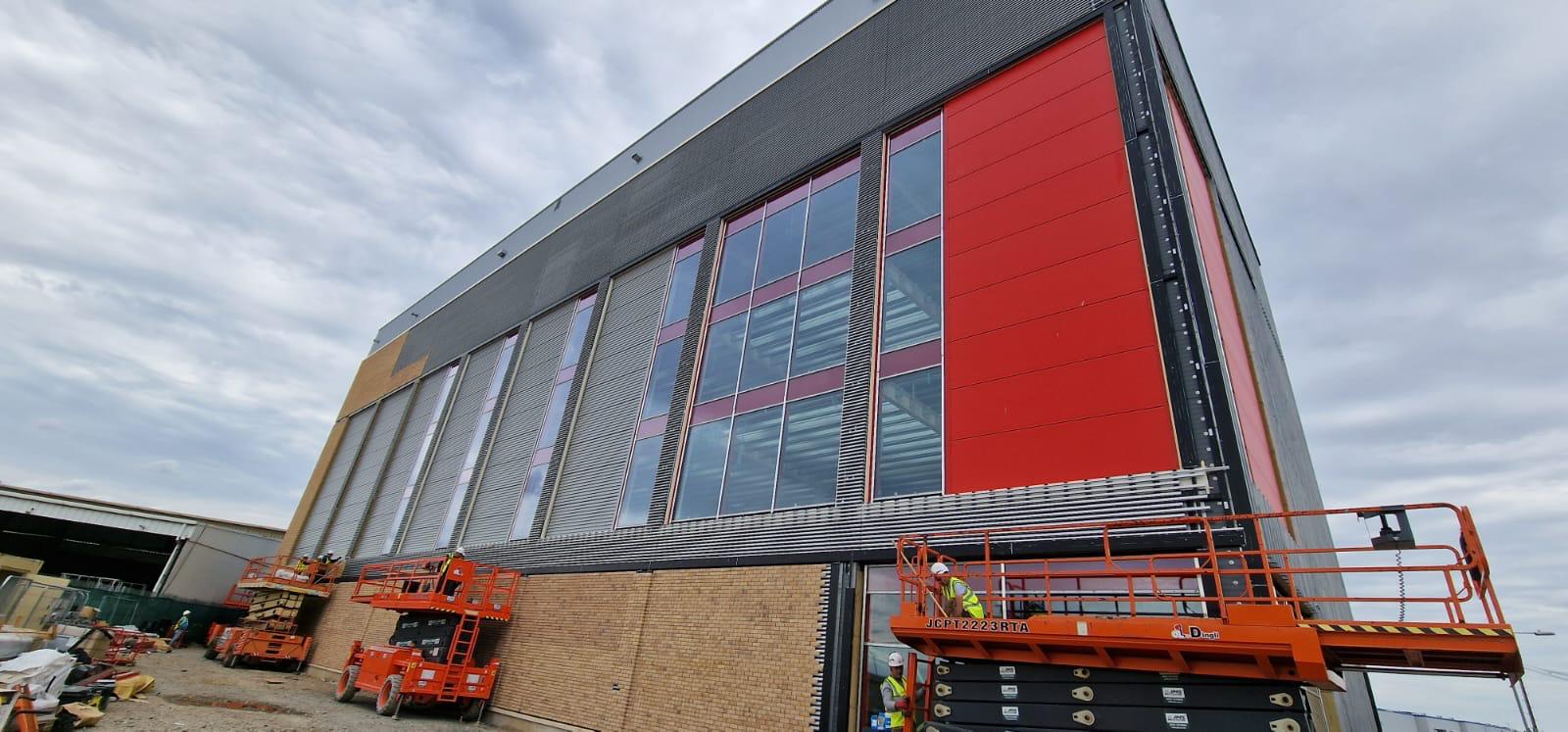
As your business grows, extending your existing warehouse can provide the additional space you need without disrupting operations with a relocation to a new site. A successful warehouse extension starts with a thorough assessment of the existing building. Before design begins, we evaluate the structure, foundations, floor slab, steel frame, and building services to ensure the extension can be safely integrated. Each warehouse is unique, so it is essential that the new structure functions seamlessly with the original building for long-term success.
Maintaining daily operations during construction is a key concern for clients. With careful planning, phased construction, and clearly separated work areas, warehouses can often remain fully operational while extension works are underway.
Integrating an extension requires more than matching cladding. Roof geometry, structural grid spacing, floor levels, drainage, loading arrangements, and mechanical and electrical services must all be coordinated to ensure the extension operates as a natural continuation of the building. When done correctly, the new space feels like an original part of the development.
Across Sussex, we deliver warehouse extensions for logistics operators, manufacturers, trade suppliers, distribution businesses, and commercial property owners. Our solutions increase warehouse capacity without the disruption and cost of relocation.

Warehouse Refurbishments

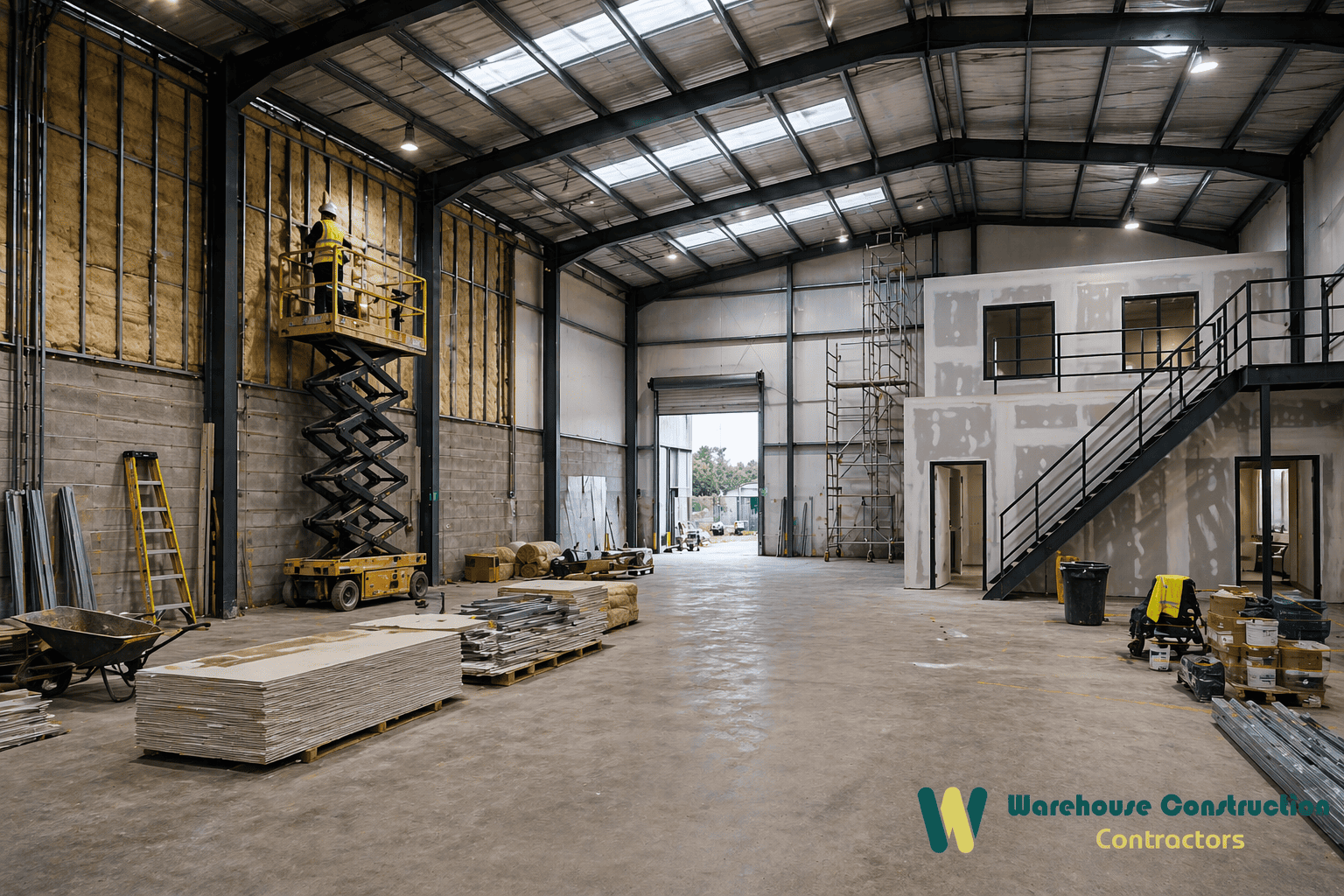
Many industrial buildings across Sussex remain structurally sound but no longer meet modern operational requirements. Refurbishment often offers a practical and cost-effective alternative to replacement, extending the asset’s life and improving its performance. It ranges from targeted upgrades to comprehensive redevelopment. Depending on the condition of the building and its intended use, works may include replacing roof and wall cladding, strengthening or resurfacing floor slabs, upgrading mechanical and electrical services, improving fire protection, modernising office accommodation and reconfiguring internal layouts.
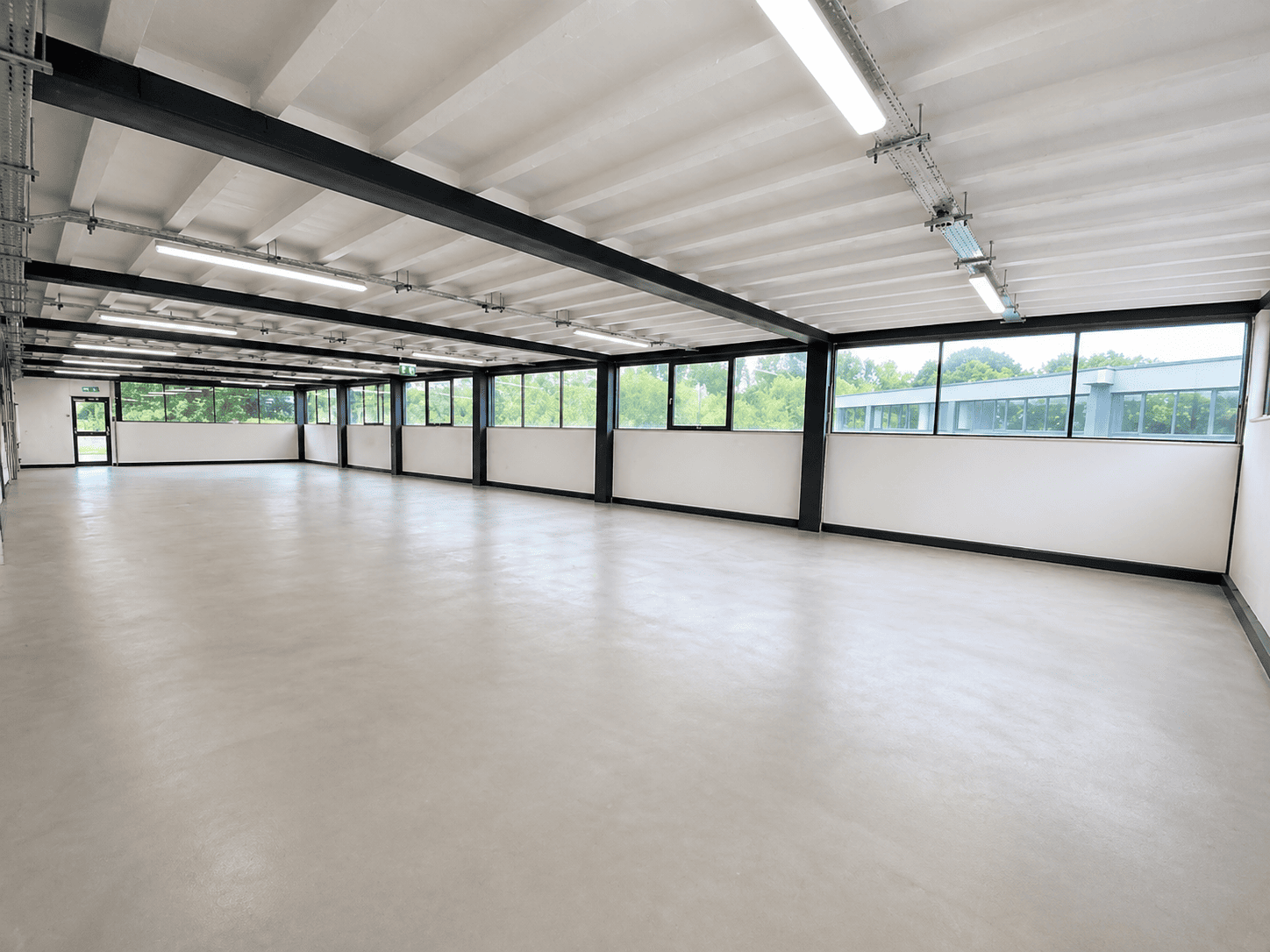
Older industrial units often require improvements in insulation, weather resistance, and energy performance to comply with current Building Regulations and meet tenant expectations. Floors may also require strengthening to support heavier racking, modern materials handling equipment, or increased forklift traffic. Office accommodation is often upgraded during refurbishment. Delivering either a Cat A shell for tenant fit-out or a fully completed Cat B office creates a modern, functional workspace and adds significant value to the development.
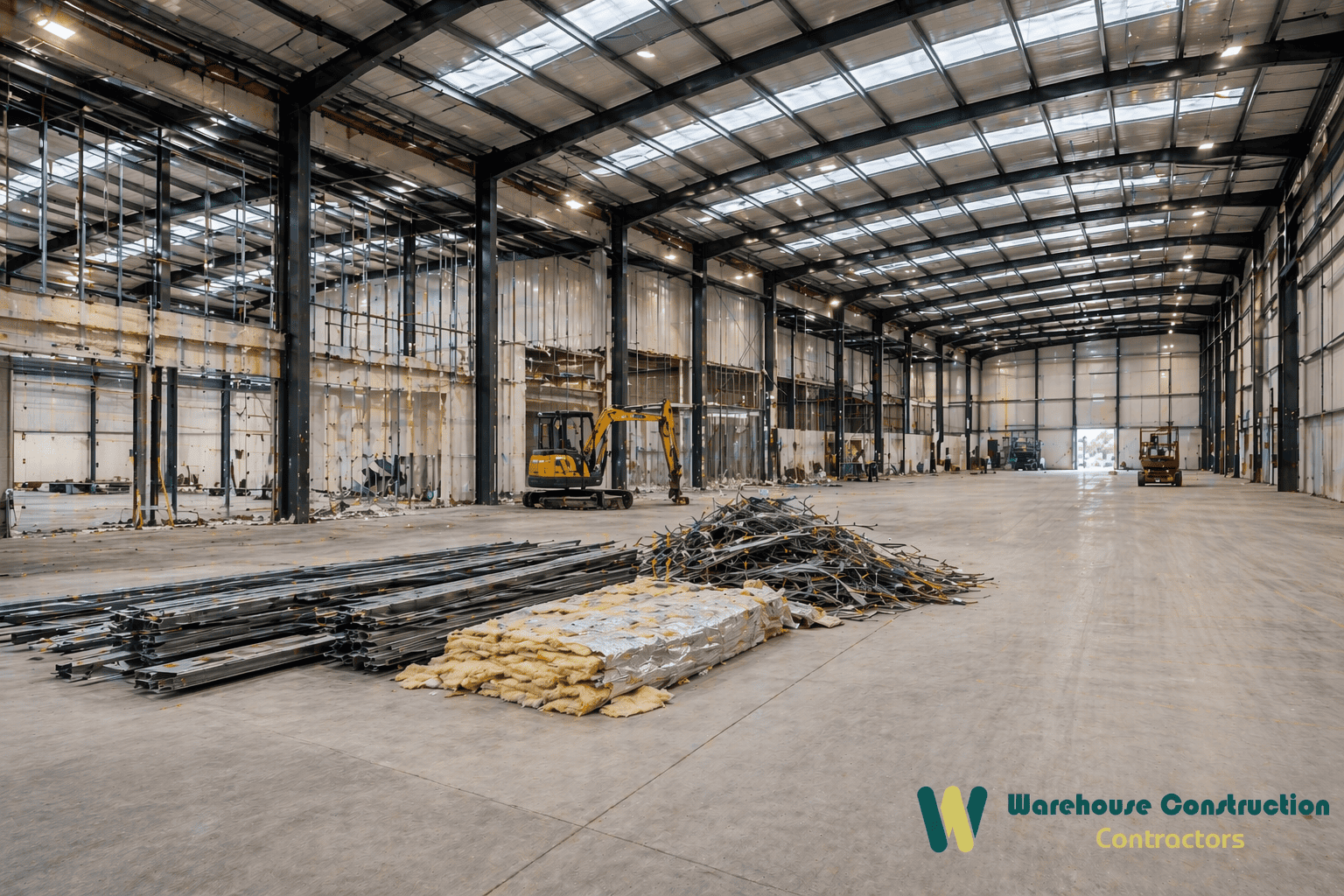
When refurbishment requires the removal of existing finishes or internal structures, we partner with our sister company, Strip Out Company, for professional strip-out and soft demolition. This ensures a seamless transition from enabling works to construction, reduces programme risk, and allows refurbishment to begin on a clean, well-prepared site.
Refurbishment is often one of the most effective ways to unlock the value of an existing warehouse. With the right approach, an ageing industrial building can become a modern, efficient facility that meets current operational demands and extends the asset’s lifespan for years to come.
self-storage-builders-shurgardjpeg.jpeg

Design and Build Warehouse Construction

Design-and-build is often the simplest way to deliver a warehouse project. With one team handling everything from concept to completion, communication is clearer, costs are more predictable, and the construction process runs more smoothly.
We start each project by looking at how the building will be used. The design must meet the business's daily needs, whether for logistics, manufacturing, distribution, or storage. We consider vehicle access, loading, ceiling heights, office space, future growth, and servicing before moving forward with the design.
Planning is key, especially in Sussex, where several authorities are involved. Each has its own rules and requirements, so we address them early to avoid delays later. We also coordinate the design team to ensure the building meets all regulations, structural requirements, fire safety standards, and energy targets. By bringing everyone together early, we spot and fix issues before construction starts, reducing risk and avoiding extra work.
We plan costs alongside the design, so budgets stay realistic as the project develops. This helps clients make informed decisions and keeps construction changes to a minimum. After the design is agreed and approvals are secured, we move straight into construction. With one team managing everything from coordination to delivery, the process is smoother, communication is better, and accountability is clear from start to finish.
industrial-warehouse-construction4.png

Sectors We Build For

Warehouses are built for many different uses. For example, a distribution centre that manages thousands of deliveries each day needs something very different from a manufacturing plant or a temperature-controlled storage site. By learning how each business works, we can design and build spaces that help our clients work efficiently, stay productive, and grow in the future.

Aviation & Airport Logistics

Gatwick Airport and the Manor Royal Business District make Sussex a major centre for aviation support, freight, and airport logistics. These businesses need more than just big warehouses. The way yards are set up, how loading works, security, vehicle movement, and easy access to motorways all matter for daily operations.
We design warehouses so goods and vehicles can move easily through the site. Inside, the space is flexible and can change as your needs change.

Manufacturing & Engineering

Manufacturing buildings have different needs than standard warehouses. The way equipment is arranged, how production works, power supply, air systems, ventilation, floor strength, and lifting equipment all affect the building’s design.
We work closely with our clients in precision engineering, specialist manufacturing, and industrial production. Our goal is to design the building around your process, not make your process fit the building.

E-commerce & Logistics

As online shopping grows, there is a greater need for modern fulfilment centres and distribution hubs in Sussex. These buildings often require high ceilings, extensive racking, mezzanine floors, automated picking areas, and loading docks capable of handling many vehicles each day.
We plan every part of the building, from the structure to the fit-out, to help your business run smoothly now and expand easily in the future.

Food & Beverage

Sussex is home to many food and beverage businesses, including food production, packaging, winemaking, chilled distribution, and temperature-controlled storage. These buildings need special construction, with attention to insulation, clean walls and floors, refrigeration, and environmental controls.
We design both ambient and cold storage buildings to meet regulations and keep daily operations running smoothly.

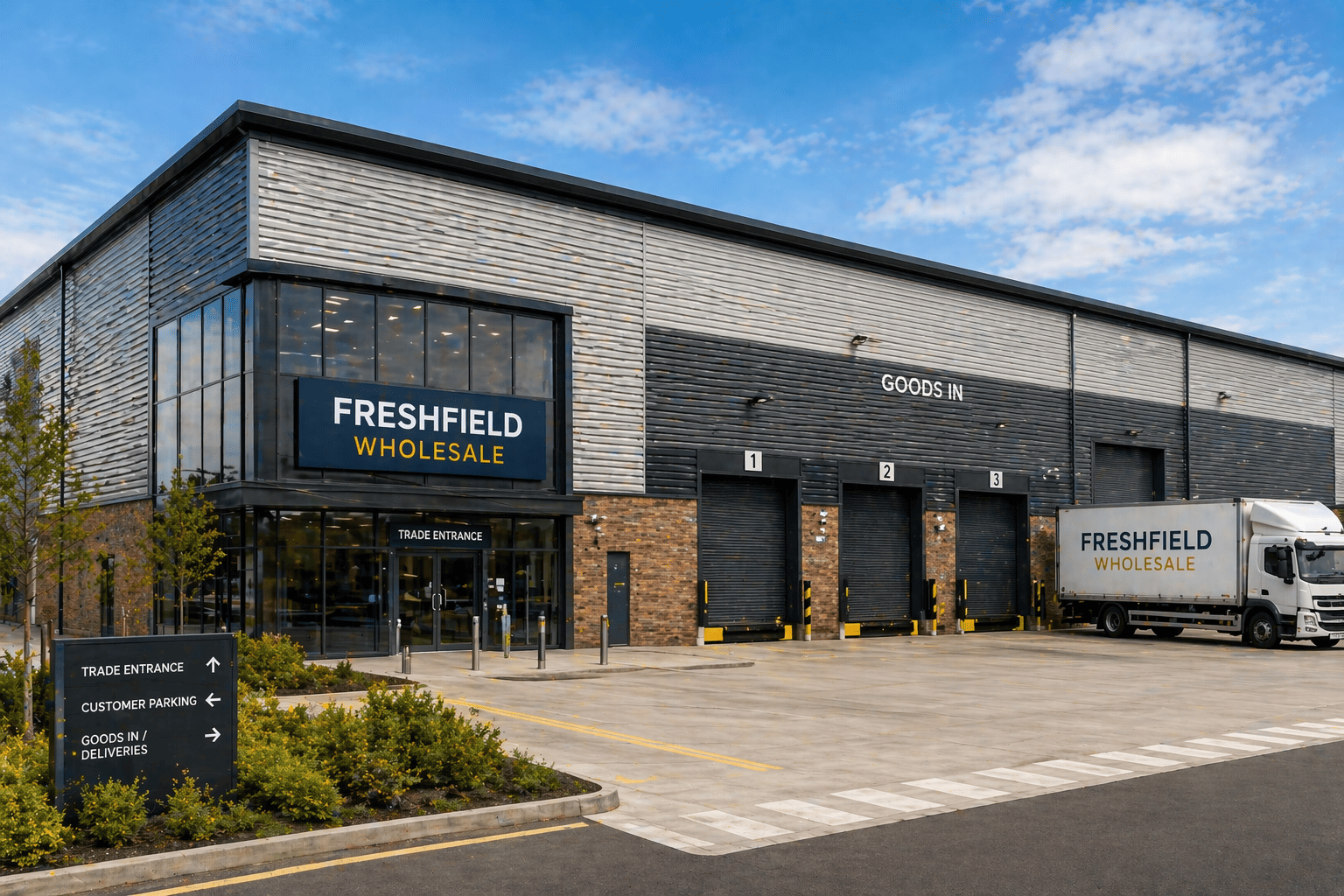
Trade Counter & Builders’ Merchants

Trade counter buildings mix warehouse storage with retail space for customers and outside loading areas. The layout must work well for delivery vehicles, staff, and customers picking up materials all day.
We build facilities with practical storage, well-designed trade counters, secure yards, and easy vehicle movement. Our buildings are simple to run and easy for customers to reach.

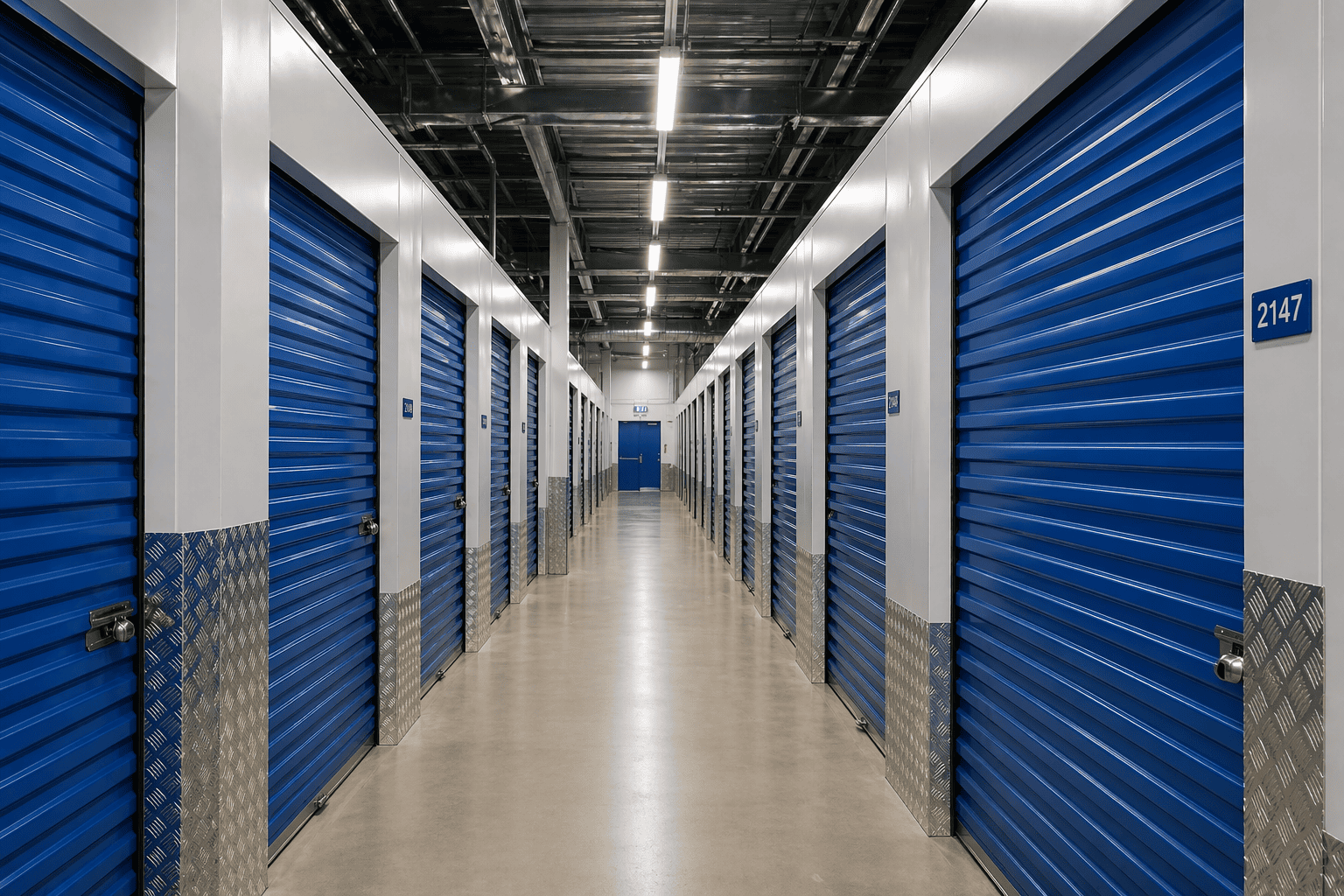
Self Storage Facilities

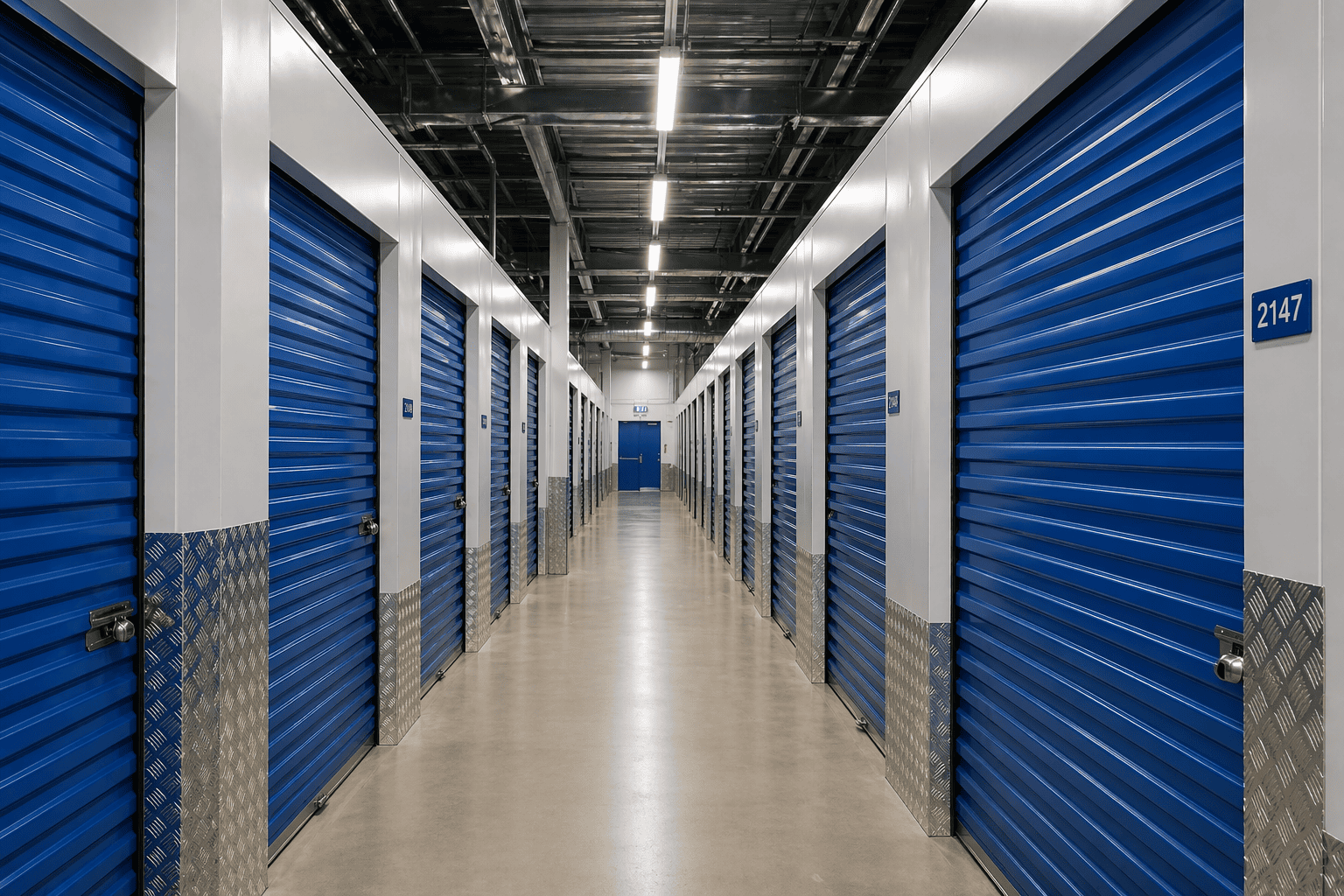
More people and businesses in Sussex are looking for secure, flexible self-storage. These projects need careful planning to make the most of the space while keeping routes safe, fire areas separate, and security strong throughout the building.
Whether you need a new self-storage building or want to convert a warehouse, we design layouts that are efficient to run and help you get the most from your investment over time.
 

Why Sussex?

Sussex stands out for two main reasons: Gatwick in the north and the coast in the south. Gatwick is among the busiest airports in the country and serves as a key freight gateway. The industrial estates nearby, especially Manor Royal, make Sussex a strong logistics and business hub that few other counties can rival. The M23 links Gatwick directly to the M25 and the national road network, as well as to the coast.

The coastal towns bring their own demand. Brighton, Worthing, Eastbourne, Hastings, and Chichester all require warehousing, trade, and storage to support local and regional markets, connected by the A27. The ports at Shoreham and Newhaven also contribute some freight activity.
Industrial space in Sussex remains in steady demand, thanks to the airport, the manufacturing sector, and a growing population along the coast. The South Downs National Park cuts across the county and restricts development over a wide area. This limitation directs most new building to existing sites and established estates. For any business looking to build or expand, a well-located unit in Sussex, particularly near Gatwick, is a valuable asset.
warehouse-self-storage-builders (2).png

How we Deliver Warehouse Projects?

Successful warehouse projects begin with thorough planning, early coordination, and a clear understanding of operational requirements. Our design-and-build approach ensures a single point of responsibility from initial planning to completion.

Site Appraisal

We begin by assessing the site, including access, existing structures, ground conditions, drainage, utilities, neighbouring properties, and physical constraints. Early identification of challenges supports informed decision-making before design progresses.

Feasibility & Project Planning

During feasibility, we evaluate warehouse size, yard layout, loading, parking, and vehicle circulation to determine what is achievable. We also consider planning constraints, environmental factors, and future expansion to support your long-term needs.

Planning & Statutory Approvals

We manage the planning process by working with the relevant authorities to prepare applications, technical reports, and supporting documents. We address highways, drainage, environmental, and ecological requirements as needed.

Design Development

After establishing the project brief, we collaborate with architects and engineers to develop detailed construction information for the structural frame, building envelope, foundations, drainage, mechanical and electrical systems, fire strategy, and external works. Each element is designed for long-term operational efficiency.

Groundworks & Infrastructure

Construction starts with site preparation, including earthworks, drainage, foundations, service installations, and reinforced concrete floor slabs. This phase is essential for the warehouse’s long-term performance.

Structural Steel Frame

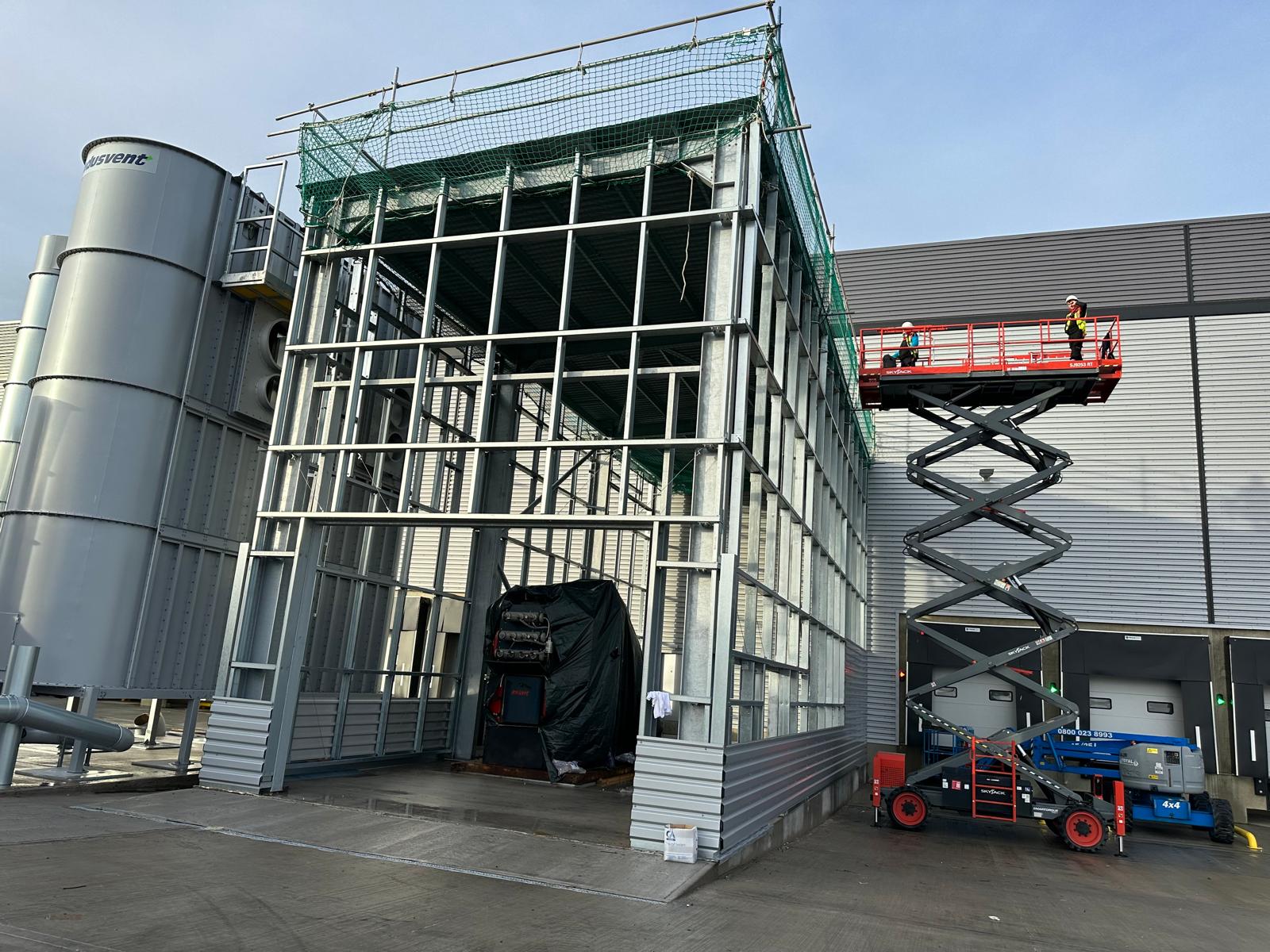
The structural steel frame establishes the building’s footprint, spans, and height. Precise installation ensures the integrity required to support the roof, cladding, and operational loads.

Building Envelope

After the steel frame is complete, we install the roof and external cladding to create a weatherproof structure. This enables internal work to proceed and ensures compliance with thermal, acoustic, and fire performance standards.

Internal Fit-Out

Once the building is weather-tight, internal works proceed. These may include offices, welfare facilities, mechanical and electrical systems, fire protection, flooring, mezzanines, and specialist fit-outs tailored to client operations.

External Works

The final stages address external areas, including service yards, loading zones, HGV routes, access roads, parking, drainage, security fencing, lighting, landscaping, and all necessary infrastructure for safe and efficient operation.

Practical Completion & Handover

Before handover, we conduct thorough inspections and commissioning to confirm all systems function as intended. Clients receive all necessary manuals, certifications, and as-built documentation to manage the building confidently. Our goal is to deliver a fully operational warehouse that supports your business for years to come.
warehouse-refurbishment-contractor2.png

Our Construction Capabilities

Delivering a successful warehouse project involves more than constructing a steel frame. Each stage must be carefully coordinated, with all trades adhering to the same schedule and quality standards. As principal contractor, we oversee the entire construction process, integrating all elements needed to deliver a modern industrial building.
Our capabilities include:
  • Steel frame warehouse construction
  • Reinforced concrete foundations and floor slabs
  • Groundworks and site preparation
  • External wall cladding and roofing systems
  • Office construction and internal fit-out
  • Loading docks, dock levellers and service areas
  • External yards, access roads and hardstanding
  • Surface water drainage and below-ground infrastructure
  • Mezzanine floor construction
  • Passive fire protection and fire compartmentation
  • High-performance warehouse flooring designed for heavy racking systems, forklift traffic and industrial equipment
Managing all works under a single contract gives greater control over quality, schedule, and cost. Clients benefit from one experienced team overseeing every stage, resolving issues promptly, and maintaining project momentum.
This integrated approach reduces delays, improves communication, and ensures each phase is completed in the correct sequence, from initial excavation to final commissioning and handover. Clients have a single point of accountability, ensuring the warehouse is delivered safely, efficiently, and to the expected standard.
warehouse-refurbishment-contractors3.png

Warehouse Refurbishment in Sussex

Many warehouse projects in Sussex involve existing buildings that are structurally sound but do not meet current operational, environmental, or commercial standards. Refurbishment often provides a more cost-effective and sustainable alternative to demolition and rebuilding, enabling businesses to extend the life of their assets and enhance performance.
The scope of warehouse refurbishment depends on the building’s condition and client objectives. Projects may involve targeted upgrades, such as new cladding, flooring, or office spaces, or comprehensive transformations with structural changes, mezzanine installations, new loading facilities, and full mechanical and electrical upgrades.
We deliver both Cat A and Cat B refurbishment projects for landlords and developers preparing industrial units for the market. Cat A works provides a clean, functional space ready for occupation, with upgraded services, lighting, suspended ceilings, and refreshed office areas. Cat B fit-outs create bespoke environments tailored to each occupier's specific operational needs.
Refurbishment projects often include warehouse extensions or structural strengthening to accommodate additional storage, heavier racking, automated handling equipment, or specialist machinery. Early assessment of the existing structure ensures that strengthening works are integrated into the programme with minimal disruption.
Enhancing energy performance is a key priority for warehouse owners in Sussex. Upgrades such as improved insulation, new cladding, energy-efficient lighting, better glazing, and modernised building services can reduce operating costs, improve EPC ratings, and ensure compliance with evolving property standards.
When refurbishment begins with the removal of existing finishes or internal structures, we work alongside our sister company, Strip Out Company, to provide professional strip-out and soft demolition. Coordinating these enabling works with the refurbishment programme ensures a smoother transition to construction, reduces risk, and improves project efficiency, operational efficiency, or increases the value of a commercial asset. A well-planned refurbishment can deliver long-term benefits without the time and cost of constructing an entirely new facility.
 

FAQ

How much does warehouse construction cost?

-

It depends on size, spec, location and ground conditions, so there's no single figure. The best way to get a real number is a site visit and a chat about what you need, which we do free.

How long does a warehouse take to build?

-

It depends on size, complexity and whether you need planning. As a rough guide, a straightforward new unit takes several months from groundworks to handover, with planning and design before that.

Can existing warehouses be extended?

-

Usually yes, as long as the existing structure can take the connection and there's room and access on site. We check the building as part of the design to confirm what's possible.

Do I need planning permission?

-

Usually yes, though some smaller works or changes of use can fall under permitted development depending on the site's history. Sussex planning is split across West Sussex and East Sussex districts, Brighton & Hove, and the South Downs National Park Authority, so requirements vary a lot by location. We handle this as part of feasibility and planning.

What floor loading does a warehouse need?

-

It depends entirely on how you'll use it, especially the racking and the equipment on the floor. We design the slab around your needs, not a generic standard.

Do you only build warehouses?

-

 No. We build a range of industrial buildings, including manufacturing plants, trade counter units and self storage, as well as warehouses and distribution centres.

What areas do you cover in Sussex?

-

We build across Sussex, including Crawley, Brighton & Hove, Worthing, Eastbourne, Hastings, Chichester, Bognor Regis, Burgess Hill, Haywards Heath, Horsham, Littlehampton, Shoreham and Newhaven, along with the surrounding areas served by the M23, A23 and A27.

Let’s get
started

Would you like to learn more about how we can help you with your next residential or commercial project, fill in your details and a member of our team will be in touch.

This site is protected by reCAPTCHA and the Google Privacy Policy and Terms of Service apply.

Latest From the Blog

warehouse-construction-builders1.png
What Does a Warehouse Strip-Out Involve?

A strip-out is the first phase of most warehouse refurbishment, redevelopment and end-of-lease projects, and it sets up everything that follows. Get it right and the building hands over clean, safe and ready for the next stage. Get it wrong, and the problems carry thro..

Read Full Story »
industrial-warehouse-construction1.png
Brownfield vs Greenfield: Which Is Right for Your Industrial Warehouse Project?

In choosing a site, every other element of the project is set, including the cost of acquisition, the time required to complete the project, planning risks, and ultimately, the structure you will create. If the choice is incorrect, the rest of the project will be spent recovering from an error in judgment that was made within days of commencing...

Read Full Story »