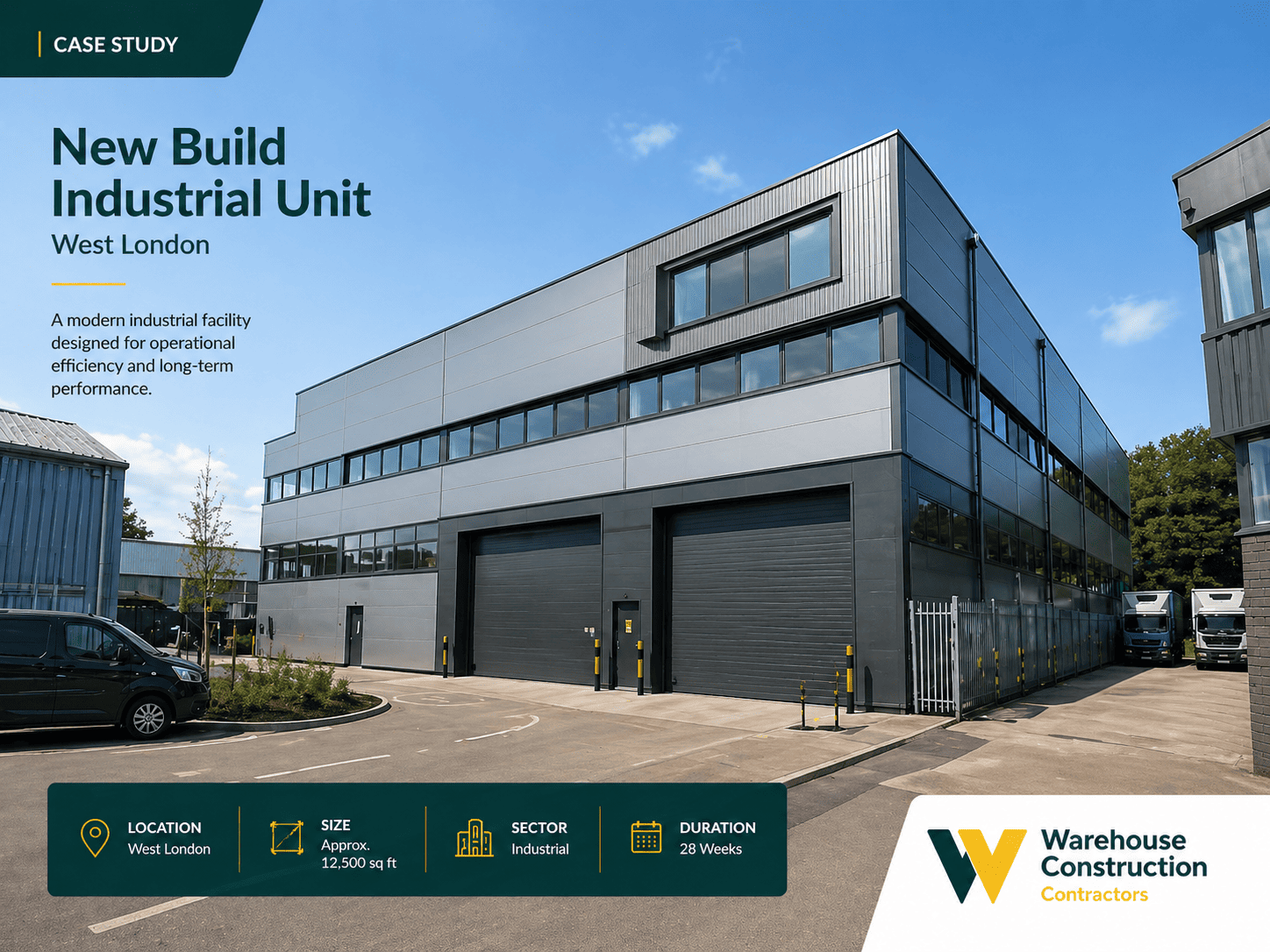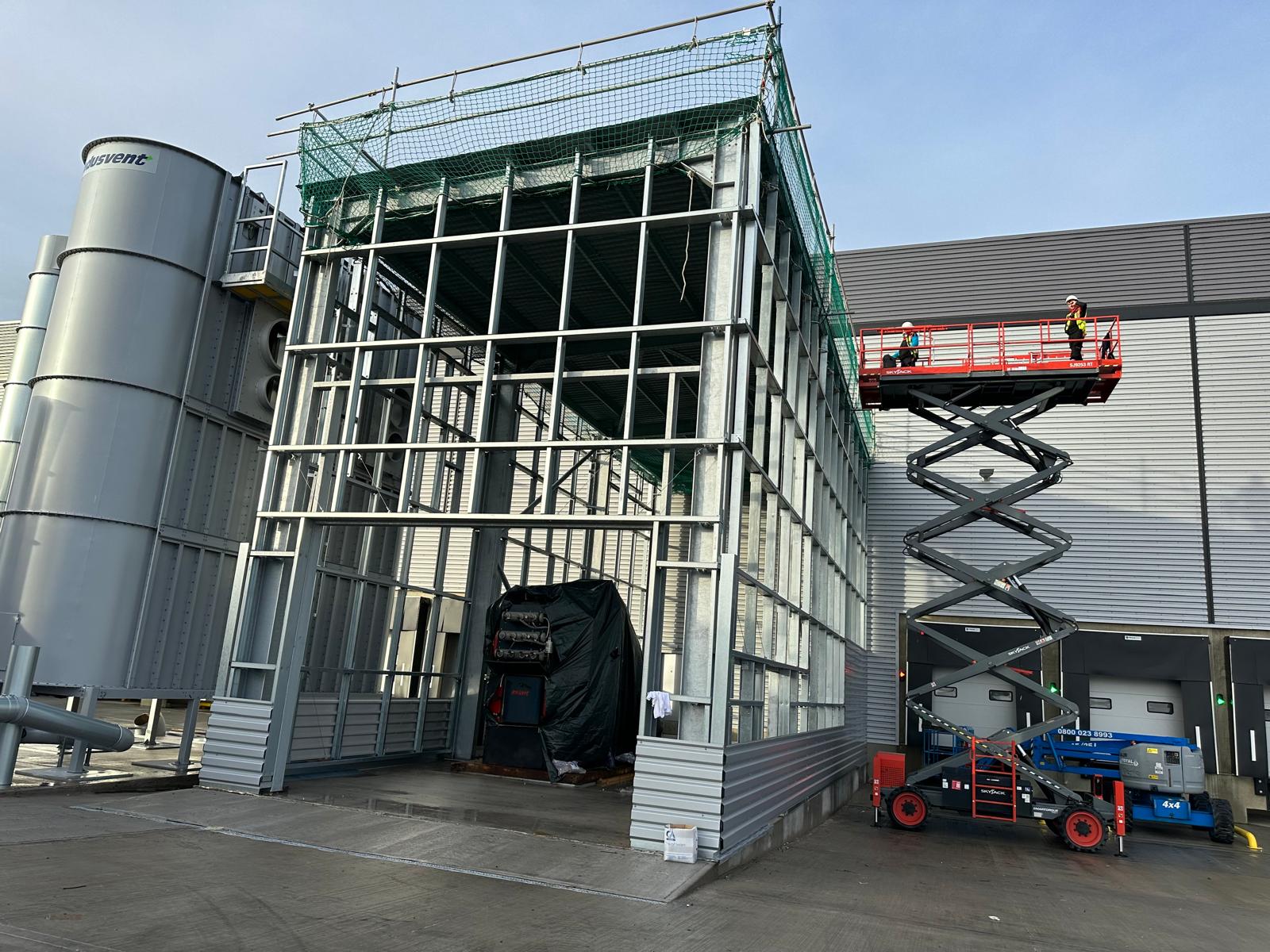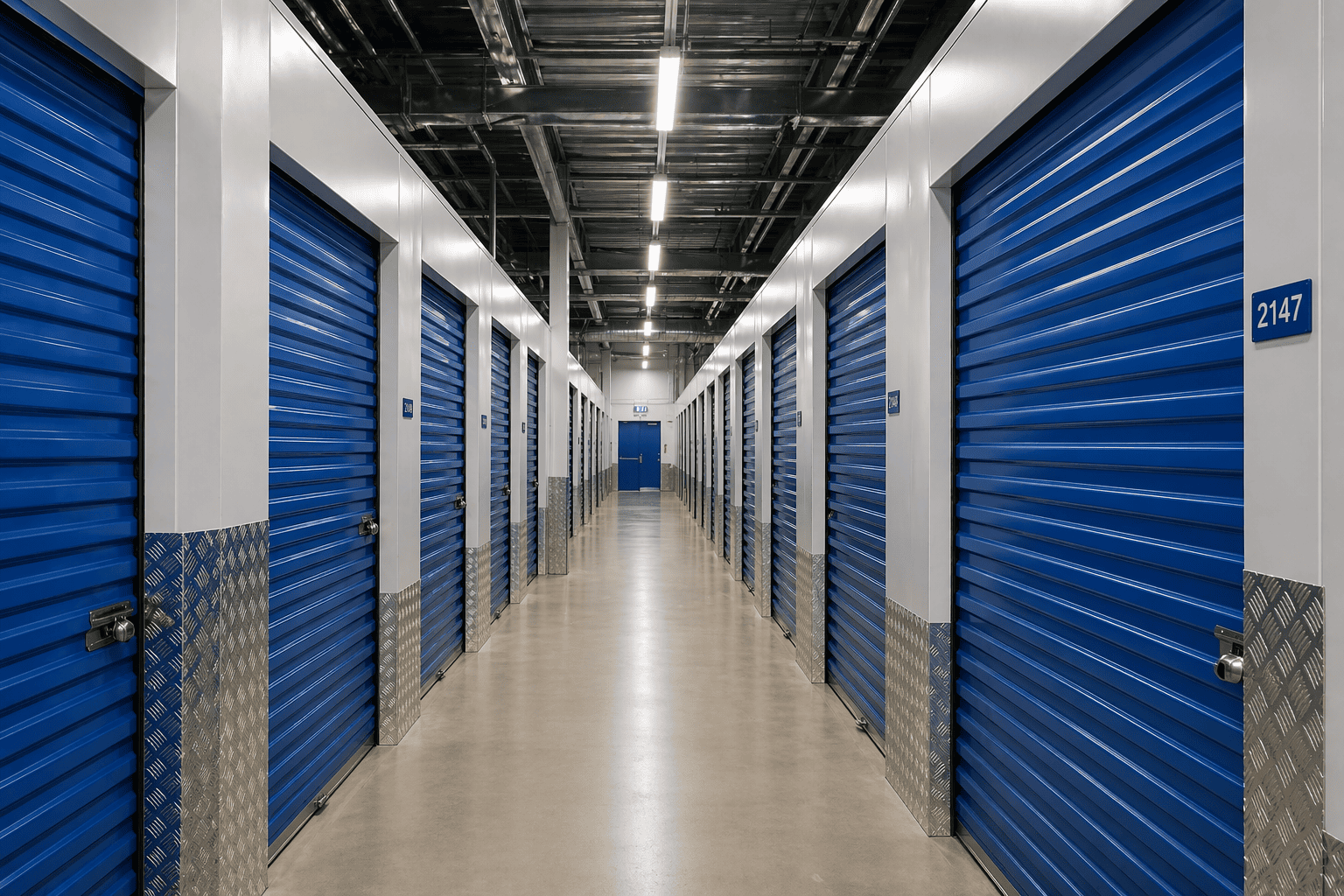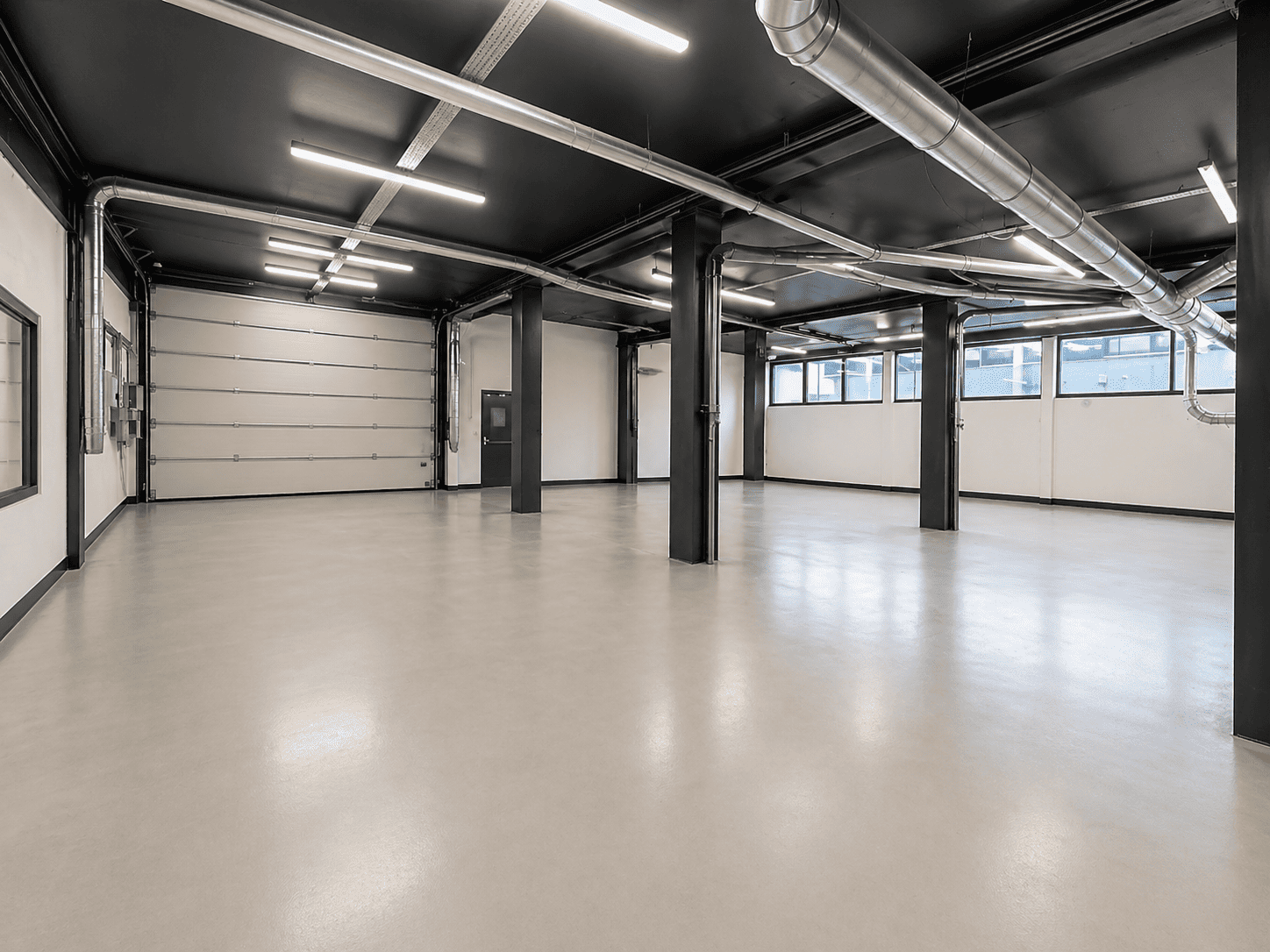
Instead of just constructing industrial buildings, our team helps companies build warehouses designed with their operational needs in mind. Warehouse Construction Contractors deliver warehouse construction services across Greater Manchester, whether it is a large-scale distribution hub serving the M60 and M62 or a manufacturing facility, trade park, logistics centre, or commercial store. We can provide the full-service package, including managing your project from the initial design phase through to final completion, whether you are building a brand-new warehouse, expanding an existing one, or refurbishing an old industrial property.
For many decades now, Greater Manchester has provided an industrial and logistics market that stands at the forefront of the UK. With its world-first planned industrial estate, Trafford Park, situated on the western outskirts of Greater Manchester, being among the largest in Europe and having maintained much of its original focus upon manufacturing, storage and distribution, the city provides a clear example of how industry-based development can be the backbone of a local economy rather than merely one of several uses competing against each other.
The regional motorway system provides for rapid travel in most directions. In particular, it is worth noting the presence of the M60 orbital route that encircles the conurbation and links with the M62 (east-west) along the length of the Pennines; the M61 to Preston; the M6 and the M56 (to Manchester airport and further into Cheshire); and the M66 linking Bury and the northern districts. The location of these roads contributes significantly to the constant need for industrial premises in Greater Manchester throughout the year.
Reflecting the nature of their respective locations are those areas of Greater Manchester that have developed as major industrial locations. Trafford Park and Salford continue to dominate the West of Greater Manchester, while Port Salford has added additional multimodal freight options to the existing rail-based transport network available via the Manchester Ship Canal. Much of the M62 corridor through Heywood, Middleton and Bury, often described as the Northern Gateway, has also seen considerable logistics developments. Wigan and the surrounding boroughs offer direct access to the M6, benefiting businesses requiring strong connectivity. To the South of Manchester, many sites located adjacent to Manchester Airport and the M56 provide opportunities for businesses needing either airfreight or distribution services. Therefore, the issue in respect of whether industrial space is viable within Greater Manchester does not generally arise, choosing which area of Greater Manchester is most suited to a company’s needs typically does.
Beginning to construct a new warehouse involves much more than laying the foundations. Our process begins with a site evaluation to assess soil conditions, accessibility, available services, and potential restrictions that may influence the design or construction program. In Greater Manchester, most projects are located in urban areas (brownfields) and/or on previously developed industrial land. These locations require us to carefully evaluate ground conditions, potential contamination, pre-existing structures, and other factors prior to commencing the design phase.
Upon establishing both the viability and compliance for feasibility and/or obtaining the necessary approvals/planning, we proceed into the detailed design and cost planning phases. It is during this phase that the warehouse takes physical form. For example, the steel portal frame dimensions, slab composition to support racking and vehicular traffic loads, eave height to accommodate your operational needs, and placement of yards, parking and entry/exit points. Nearly all warehouse developments throughout the United Kingdom utilise a steel portal frame supported by a reinforced concrete slab; however, this serves as the base for nearly every project we develop and can be adjusted based on your specific business model.
Following construction in an orderly fashion, we carry out the groundworks, erect the steel frame, complete the building envelope, and then complete the fit-out and external works. With our project development method, there is no need to involve multiple subcontractors at different stages of development. As such, should issues arise with the project, they will be addressed internally and not passed among subcontractors. Because many warehouse developments occur on established sites in the Greater Manchester area, it is crucial that we manage the site effectively during the construction phase to ensure the smooth completion of the project.
Warehouse distribution centres have requirements that extend far beyond those of a standard warehouse facility. Failure to meet some of these requirements will prove costly to correct after completion. Warehouse high-bay storage systems are frequently a primary component of the facility's design and therefore play a major role in determining the facility's overall structure, including its eaves height, grid size, and structural configuration. A critical element in designing a high-bay storage system is selecting the appropriate racking and material-handling equipment. As such, we provide assistance to you and your selected racking/logistics consultant in selecting this equipment early in the design process. Furthermore, we coordinate the development of the structural elements (frame/slab) in relation to your proposed racking and material-handling system.
The design of dock levellers/loading docks requires consideration of your fleet of delivery vehicles and expected volume. The specifications/design of dock doors, and their location, significantly impact yard organisation/internal movement patterns, and the speed of turnaround for delivery vehicles. We take these factors into account when designing the service yard, including vehicle turning radii, parking/queueing spaces for tractor/trailer combinations, to optimise the functionality of your completed distribution centre. As such, detailing is essential to ensuring that distribution centres operating within Greater Manchester function efficiently at peak production volumes.
Another key distinction between floor slabs used in distribution centres and those for general-purpose storage concerns heavy point loads imposed on floors by racking leg supports. Additionally, the flatness tolerance requirements of some narrow-aisle equipment necessitate that slabs be designed correctly initially. We design/conduct concrete works accordingly, since proper slab tolerance/curing is as significant to the ultimate outcome as a properly engineered steel framing system
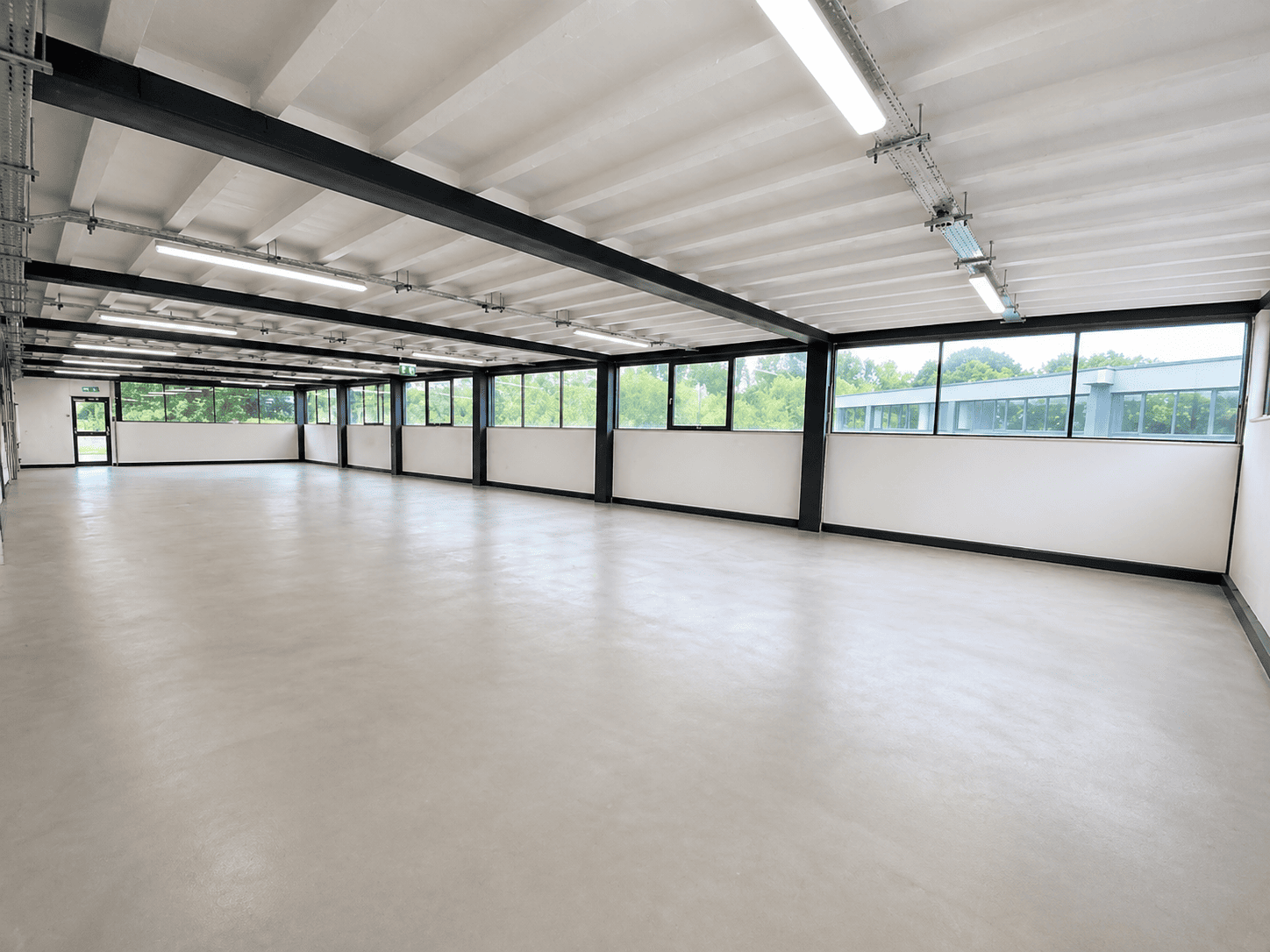
Warehouse structures are generally built using common building forms such as steel frames, concrete slabs, open spans, and they do, however, differ in terms of detail. The main difference is due to the operational characteristics of the facility, i.e., the power requirements of the various pieces of equipment used in manufacturing (e.g., machinery), segregation of different stages of manufacture, drainage for specific process requirements, and floor finishes suitable to the type of equipment and materials being processed.
In addition to understanding your business processes, we also investigate your product movement within the warehouse, including how raw materials and finished goods are transferred throughout the site. This information will then enable us to design a warehouse building structure which supports both the operational and logistical aspects of your facility. In particular, we consider crane runway provision where heavy manufactured components need to be moved internally; ventilation and extraction for production area working environments, and how raw materials enter the warehouse; how products move through the warehouse; and ultimately how finished goods leave the warehouse.
Industrial sites in Greater Manchester illustrate the potential complexity of designing an industrial unit. Due to the high number of manufacturing businesses operating on industrial estates, there can be conflicting uses of an industrial unit when manufacturing is combined with warehousing/distribution. Careful consideration is therefore needed in the planning phase of a new development project to ensure that sufficient space exists for all functions to operate efficiently without compromise.
Many modern warehouse developments now incorporate automated systems. Automated storage & retrieval systems (AS/RS); Conveyor networks; Robotic picking, etc. These systems require very specific conditions for successful implementation. For example: Floor Flatness Tolerances; Structural tolerance levels; Power Supply requirements; Foundation specifications for static equipment installations. To facilitate the successful installation of automated systems into new warehouse developments, we consult with suppliers during the design process.
Adding an additional floor (or floors) onto an existing warehouse can be challenging. The existing structure has to support the weight of the new extensions. Also, when adding the extensions, you have to consider the exterior finishes and roof covering, and integrate the additions into the site’s infrastructure, such as drainage, utilities, and pedestrian/vehicle access points. Therefore, the first step is to evaluate the strength of the existing building to determine its capacity to carry the added extensions.
Normally, the primary concern for any business expanding its premises is maintaining uninterrupted operations. This means that during the build process, the existing warehouse will remain in operation. To achieve this, there will be sequencing issues and temporary weatherproofing at the points where the new extensions connect to the original. Additionally, it is essential that the site logistics are organised to ensure that construction activity does not disrupt normal activities.
The purpose of matching the existing warehouse building is not only aesthetic. There are many other factors to consider when designing extensions, including roof pitch, eave height, structural grid layout, and cladding profile. When developing in heavily populated urban areas like those found in Greater Manchester, where land between buildings is at a premium, integrating new development with existing buildings is crucial to prevent future problems associated with poorly integrated design.
Many warehouses we undertake development projects in Greater Manchester are not vacant sites but existing structures. This is understandable due to the age and quantity of Greater Manchester's industrial estate stock. Projects undertaken to restore warehouse buildings can vary greatly depending on the condition of the property, ranging from minor repairs to a complete disassembly and rebuilding of major components of the building, i.e., roofs, floors, cladding, M&E services, and offices.
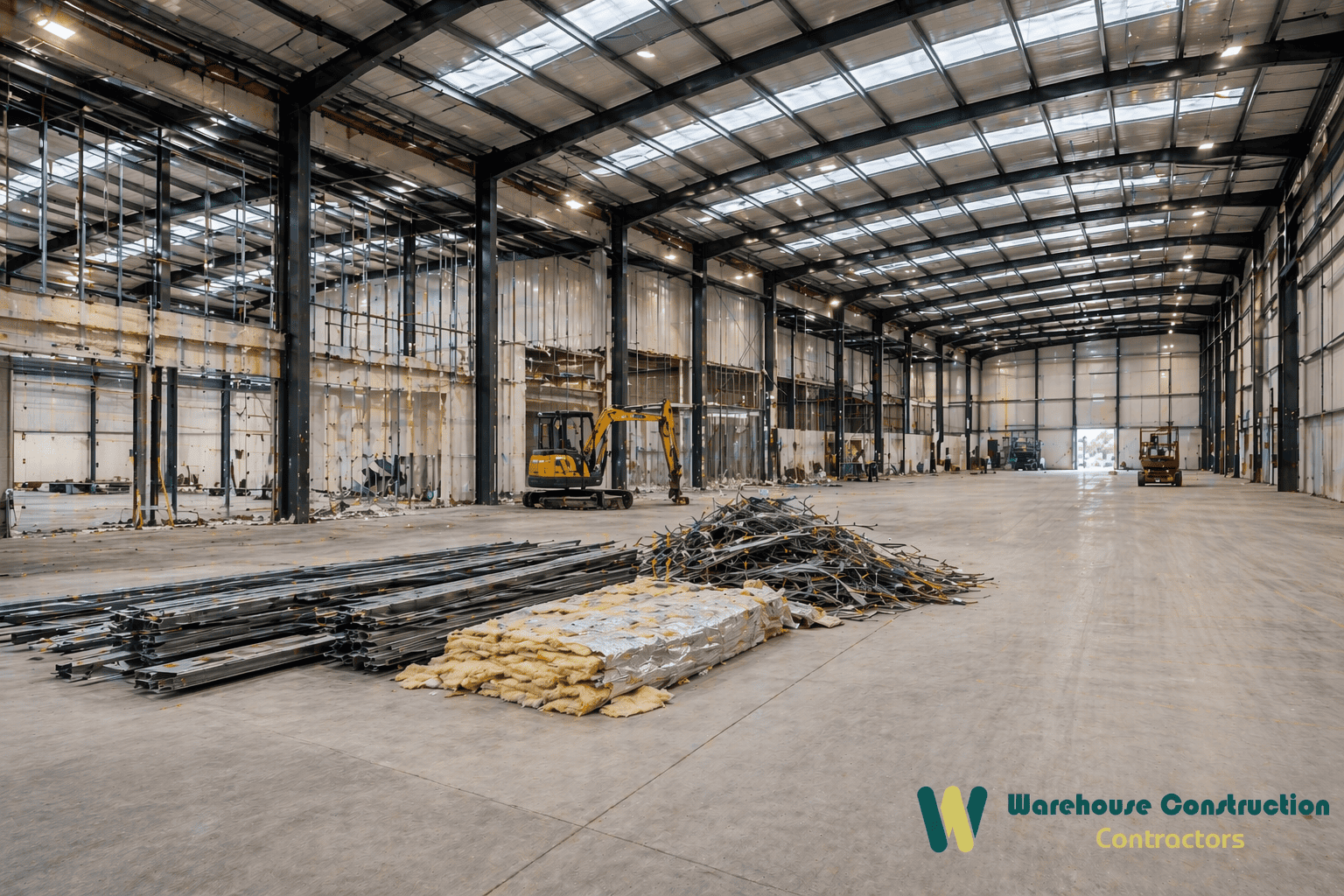
Generally speaking, the initial focus of restoration works tends to be on either the roof coverings and/or the cladding. These two items generally represent the most frequent areas of failure in older industrial buildings and would require updating to meet modern-day standards for insulation value, weathertightness, and fire performance. Floors, if damaged and worn down over time, will likely require some form of repair/overlay/replacement depending on load requirements imposed by intended uses. M&E systems in older industrial buildings are frequently undersized or nearing the end of their useful lifespan and may therefore need upgrading before a new tenant can commence use of a restored building. Office upgrades, typically defined as Cat A or Cat B fit-out based on the level of finishing required, are also typical elements of restoration works, particularly when restoring a building for a new user. Because our sister company, Strip Out Company, conducts the soft stripping/demolition work (including all surveys and waste management), we can ensure sites are completely clear and prepared for the commencement of restoration construction works.
Design and build means we take responsibility for the project from initial concept through to a finished, operational building. That starts with understanding what you need from the building, then developing a design that meets those requirements within a realistic budget and programme.
Planning is handled as part of this process. Greater Manchester is made up of ten metropolitan boroughs: Manchester, Salford, Trafford, Bolton, Bury, Oldham, Rochdale, Stockport, Tameside and Wigan, and planning decisions are made at the borough level, each with its own local plan. The combined authority also has a long-term spatial framework guiding development across the region. We work through the relevant borough's requirements for your site during the design stage. Building Regulations compliance is built into the design from the outset rather than addressed as an afterthought.
Cost planning runs alongside design, so you have a clear, realistic picture of what the project will cost before you commit. Rather than a design that then gets value-engineered down once tenders come in, we work to a budget from the start and flag any cost implications of design decisions as they're made. Once design and cost are agreed, construction follows the same sequence as any new build or refurbishment project, with one team carrying the project through from drawing board to handover.
E-commerce logistics
Greater Manchester is one of the UK’s leading logistics centres, and e-commerce and distribution operators are some of the busiest users of new and refurbished industrial property within Greater Manchester. They typically require large, clear-span warehouses, multiple docks, high power supply and yards capable of supporting heavy goods vehicle (HGV) movement. Our designs focus on how goods and hgv’s move through an operator’s business rather than just the needs of the building.
Manufacturing & engineering
Greater Manchester still retains much of its traditional manufacturing base, including advanced engineering, component manufacturing, and processing. These businesses typically require buildings with higher power capacity, specialist services, crane provisions, and floors designed for heavy equipment. These requirements have been factored into our building design since inception.
Food & drink
The food and drink industry in Greater Manchester spans production and packaging, cold storage, and localised distribution. Cold storage operations present unique challenges, such as insulation, floor type, and refrigeration plant installation, compared to standard ambient-temperature warehousing. Improperly designing cold/cool stores leads to costly issues further down the line. We therefore design our cold/cool store buildings based on how their occupants will use them day-to-day.
Technology & media
Manchester's growing tech, digital and media sector is creating demand for buildings offering a mix of office and light industrial usage plus data centre accommodation. For many of these users, power availability, resilience, and cooling may be equally or more critical than the overall available floor area. As such, we have also developed facilities in which the level of service specification in the original design was equal to, if not greater than, that of the structural design.
Trade counters
builders merchants, electrical wholesalers and plumbers merchants all require a combination of warehouse storage, trade counter sales areas and yard layouts allowing customers to load their purchases alongside delivery lorries. The large-scale construction and trade activities across Greater Manchester support consistent demand for this style of facility.
Greater Manchester has so many advantages as a place to locate your industry because of its connections to other locations, the need for products and services, and the infrastructure that few other areas of the country (apart from London) can provide. The M60 Orbital Motorway connects all the Radial Routes, i.e. M62, M61, M56, M66, which provide connections to the remainder of the North, the Midlands, etc. It also provides the means to be located at the heart of the Trans Pennine Corridor and in close proximity to Leeds, Liverpool, and the main ports.
Manchester Airport is the largest airport in the United Kingdom (outside London) and serves as a significant Freight Gateway, which is important if you operate on an Air Freight basis or require an International Supply Chain. Port Salford and the Manchester Ship Canal offer real Multimodal Freight capability, providing the opportunity to transport goods via Water and Rail, as well as road, which is becoming an increasingly important advantage as operators seek to reduce their Road Miles and Emissions.
Demand for Industrial Property in Greater Manchester continues to be high because it serves as a National Distribution Hub, has a large population/consumer base, and there is considerable Investment being made throughout the area. Compared to more restricted markets in the South, this area has greater size and scope for future development and therefore is less likely to be 'Scarcity' driven, but still requires sites that are well located and provide good quality existing Buildings. As such, when considering building, extending or refurbishing, the connectivity and market strength provided by Greater Manchester enable you to create a long-term asset of your Industrial Property.
Beginning with a site appraisal, we evaluate the property itself (site) by examining soil conditions, site access, existing buildings, utilities, and any other factors that may impede the project. When evaluating brownfields, we also consider potential contamination and possible subsurface obstruction(s).
Then we determine whether the proposed development can be reasonably achieved on the subject site, based on massing, access, parking, and yard space, and in accordance with your operational needs and budget.
Next, we will assist you with preparing and managing the planning application. This will involve complying with local ordinances of the applicable Greater Manchester Borough and resolving any highway, stormwater management, environmental or other regulatory concerns.
Following completion of the feasibility study, we create detailed drawings and specifications that represent the agreed-upon development plan. These plans take into account the structure, exterior envelope, services and exterior features.
Once the plans have been developed, our crew prepares the site for construction by completing the necessary groundwork, foundation installation and drainage. Depending on the site's prior use (i.e., before it was designated as a warehouse), some form of remediation may be required in addition to ground improvements.
The structural steel framework is then erected. At this point, the basic shape and configuration of the warehouse building have been established.
Following the erection of the structural steel framework, roofing and cladding are applied to provide weather-tightness to the interior spaces. This allows interior construction to commence.
Interior construction involves installing flooring systems; electrical, mechanical and plumbing systems; creating office areas; implementing fire prevention measures; and constructing shelving and racking systems.
After all interior work is complete, we proceed with the exterior aspects of the development. These include installation of driveways, sidewalks, utility connections, parking lots, landscaping and other related items.
Upon completion of the project, we formally hand over possession of the new facility to you and provide all documentation, certifications, and "as built" information regarding your new warehouse facility.
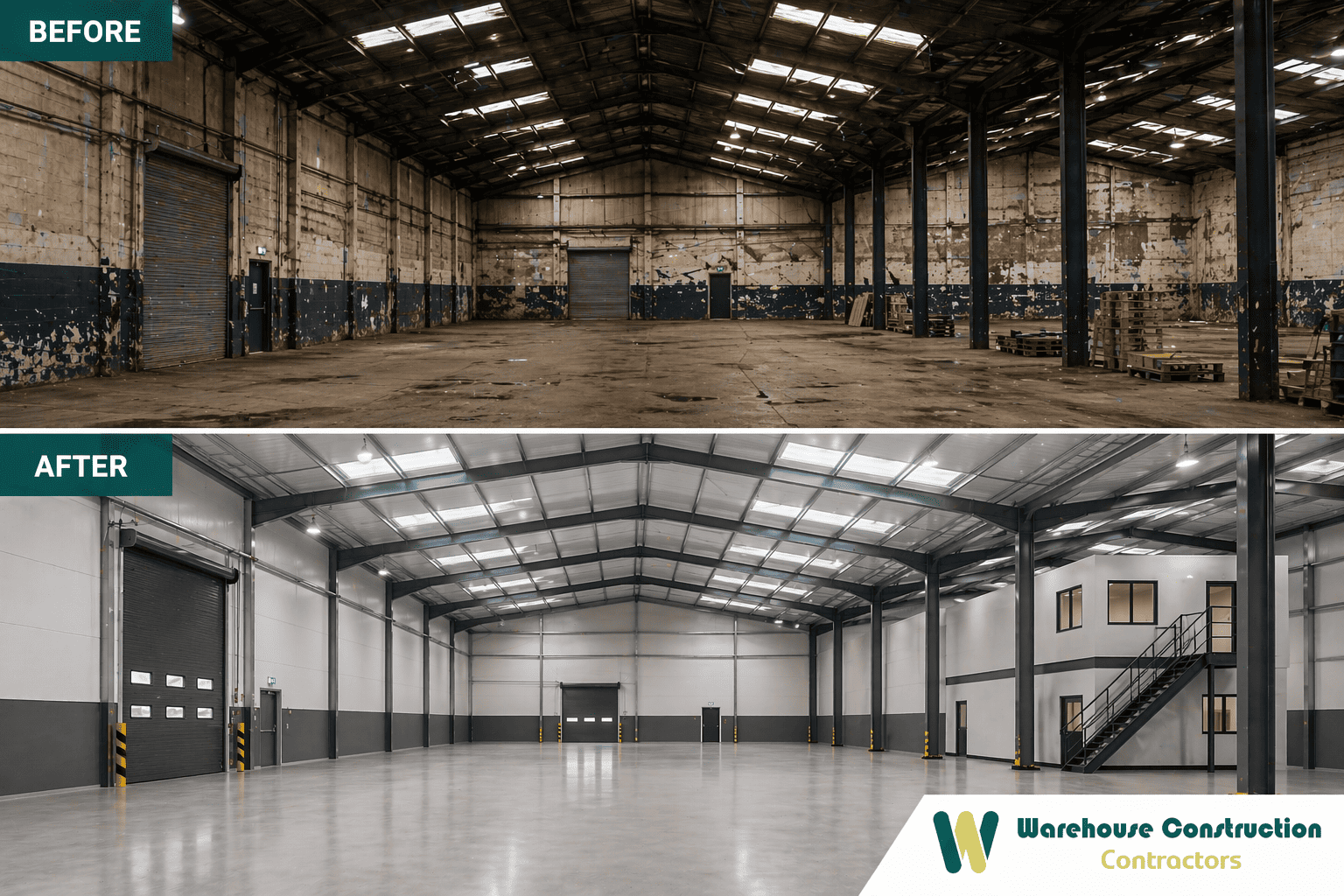
Warehouse Refurbishment (or Re-fit) forms a key element of our business throughout Greater Manchester, due to the high volume of warehouse-type buildings that exist across the area, many built over 30 years ago, and therefore requiring an upgrade in terms of services, envelopes & layouts, etc., to meet current usage expectations. As such, where an existing warehouse has been found to have a structurally sound frame, but now requires updating in relation to new service installations, improving/enhancing the building envelope and/or re-configuring the internal layouts, etc., Refurbishment provides a quicker and more economical method of achieving these changes compared to commencing works on a completely new building.
As such, Refurbishment can vary significantly from Cat A Fit Out works, whereby a building is returned to a 'shell' condition, allowing occupation by a new tenant, etc., through to Cat B Fit Out works, which involves providing all the necessary infrastructure for an occupier's individual requirements. Refurbishment works can also include extensions to an existing warehouse, thereby increasing floorplate availability whilst upgrading the building. In addition, structural strengthening of an existing warehouse may occasionally be required if the intended use is changed, e.g., from Light Storage to Higher Bay Racking with increased loadings.
Modernising offices/office spaces in Industrial Buildings has become more prevalent in recent times, as Occupiers seek to improve working conditions for their employees without relocating. Similarly, Energy Improvements (including Insulation, Glazing, Lighting and Building Services) form an increasing proportion of refurbishment projects undertaken in Greater Manchester. This is largely due to the tightening of EPC/energy performance standards applicable to Commercial Buildings in general, which affects the very large number of Older/Less Efficient Buildings present in the Region.
Yes. We manage projects from initial concept and planning through to design, construction and handover, acting as a single point of responsibility throughout.
Programme length depends on the size and complexity of the building, and whether planning permission is required. As a general guide, a straightforward new-build unit typically takes several months from groundworks to handover, with planning and design adding time before construction begins.
Costs vary significantly depending on size, specification, location and ground conditions, so there's no single figure that applies to every project. The best way to get an accurate cost is a site visit and initial discussion about your requirements, which we provide free of charge.
Yes. Refurbishment is a significant part of our work, covering everything from roof and cladding replacement to full internal reconfiguration and office upgrades.
Yes. Cost planning runs alongside design from the start of every project, so you have a realistic budget before construction begins, rather than finding out the cost once tenders come back.
Would you like to learn more about how we can help you with your next residential or commercial project, fill in your details and a member of our team will be in touch.
A strip-out is the first phase of most warehouse refurbishment, redevelopment and end-of-lease projects, and it sets up everything that follows. Get it right and the building hands over clean, safe and ready for the next stage. Get it wrong, and the problems carry thro..
Read Full Story »
In choosing a site, every other element of the project is set, including the cost of acquisition, the time required to complete the project, planning risks, and ultimately, the structure you will create. If the choice is incorrect, the rest of the project will be spent recovering from an error in judgment that was made within days of commencing...
Read Full Story »